Artificial intelligence is creating new opportunities across R&D, product lifecycle management, and quality control. However, the value of AI depends heavily on the quality, structure, and accessibility of the data behind it.
For many product development teams, critical information remains scattered across spreadsheets, LIMS, ELNs, reports, paper records, and disconnected business systems. This fragmentation can limit collaboration, make previous work difficult to find, and prevent organizations from generating reliable insights from analytics and AI.
This guide explains why a strong data foundation is essential for organizations looking to move beyond surface-level AI applications and integrate advanced analytics into their core product development workflows.
Download the full guide
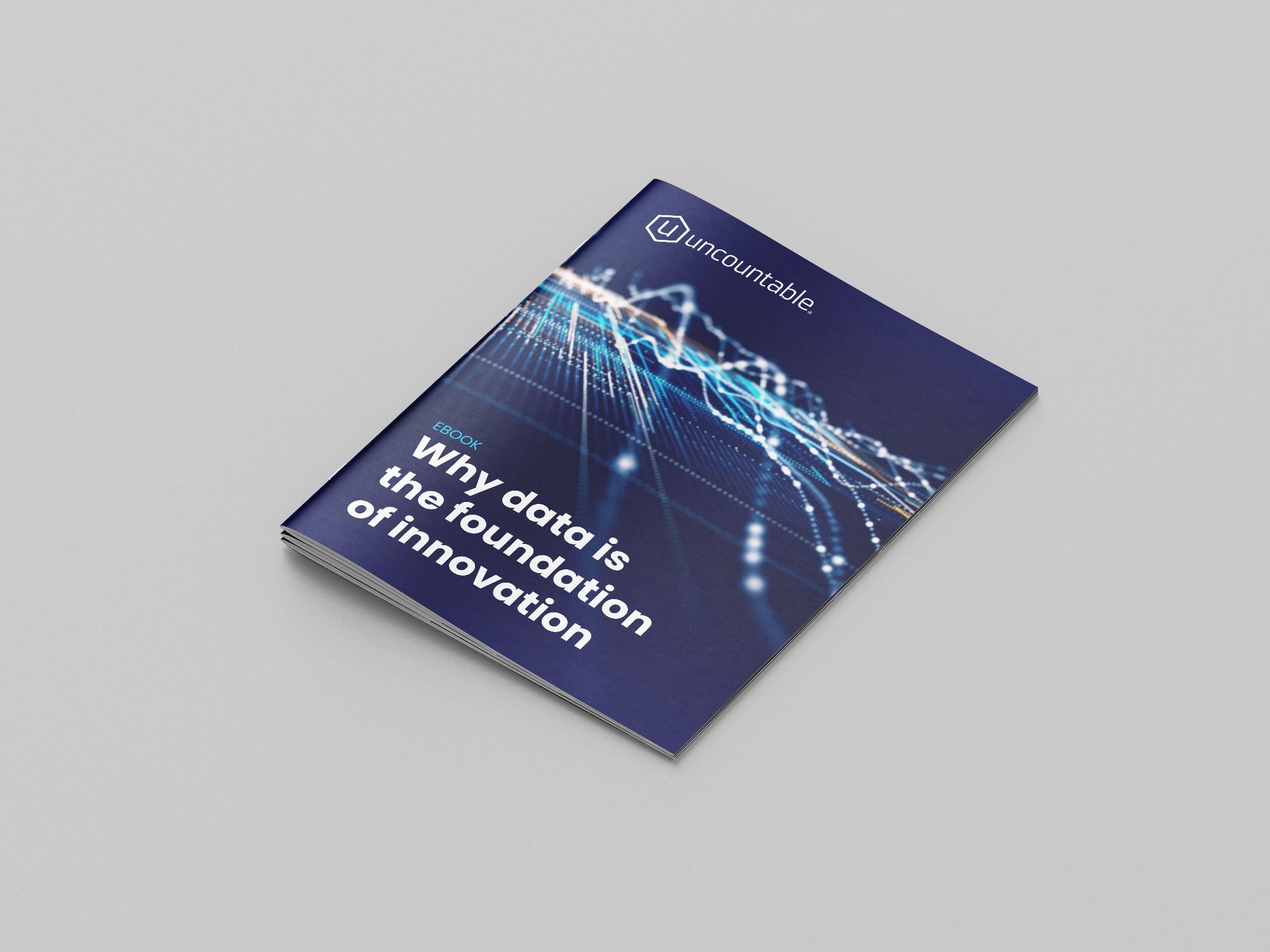
Download to Explore:
- How AI is changing scientific and product development workflows
- The short- and long-term benefits of AI for R&D, PLM, and QC teams
- Why fragmented and inconsistent data can undermine AI initiatives
- What makes experimental and product data genuinely AI-ready
- Common mistakes organizations make when adopting LLMs and machine learning
- How centralized data, global search, unified visualization, and predictive tools can support faster innovation
- Ways to improve knowledge retention, collaboration, productivity, and risk management
Whether your organization is beginning to explore AI or looking to expand existing capabilities, this eBook provides a practical overview of the data strategies needed to support more connected, scalable, and informed product development.
Get your copy here


This information has been sourced, reviewed, and adapted from materials provided by Uncountable Inc.
For more information on this source, please visit Uncountable Inc.