May 7 2002
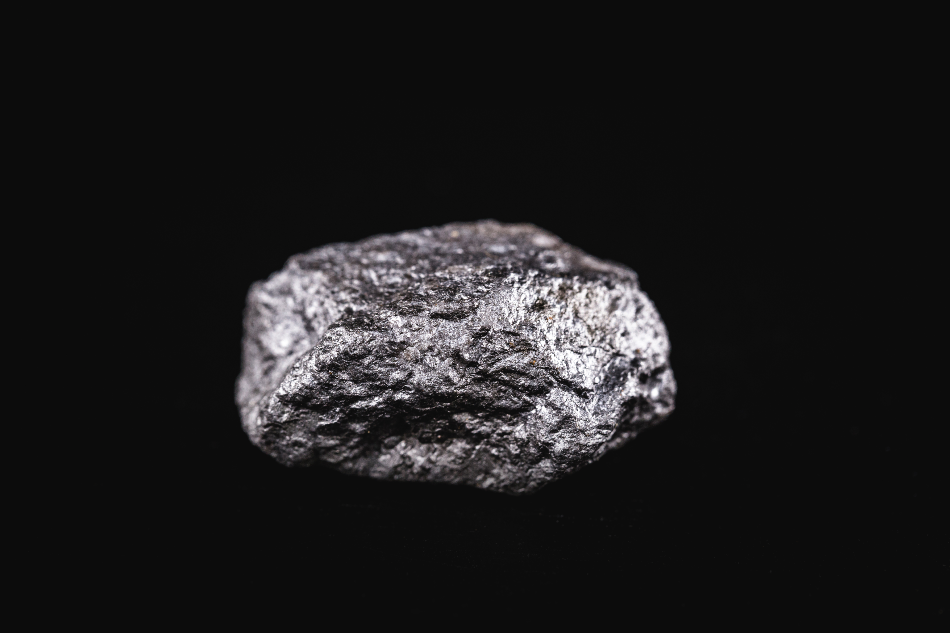
RHJPhotoandillustration / Shutterstock
Niobium was first discovered by Hatchett in 1801, but this metal was produced only in 1864, when Blomstrand reduced niobium chloride.
Although niobium is the most commonly used name, there are many prominent chemical societies that refer to it synonymously as columbium. However, niobium became the preferred term when the International Union of Pure and Applied Chemistry adopted this metal in 1950.
Sixteen isotopes of niobium are known.
Occurrence
Niobium is found in minerals, like niobite (also called columbite), euxenite, pyrochlore, and niobite tantalite. Most often, niobium deposits are associated with carbon silicate rocks called carbonatites, or as a constituent of pyrochlore. Countries like the former USSR, Nigeria, Canada, Brazil, and Zaire contain deposits of such minerals.
Key Properties
- Niobium has a white and shiny appearance but may change into slightly bluish color after prolong exposure to air
- It has good ductility
- It has superconductive properties
- It is sensitive to oxidation at elevated temperatures; hence, thermal processing should be performed in a protective atmosphere
Applications
Niobium is used in the following applications:
- About 90% of niobium is used in carbon and alloy steels and also in non-ferrous alloys, as an alloying agent, where it gives better strength—for example, up to 1% of niobium can be added to high-strength low-alloy (HSLA) steels
- Used in sophisticated airframe systems
- Used in arc welding rods for stabilized grades of stainless steels
Alloys and compounds of niobium are given below:
- At times, niobium is alloyed with copper to create high-strength, high-conductivity metal through powder metallurgy
- Superconducting magnets have been produced from Nb-Sn, Nb-Ti, and Nb-Zr alloys
- Nb2O5 is utilized in high refractive index glasses
- Used in fabricated metal components in chemical plants
- Nb-Zr alloys are also employed in fuel tubes meant for nuclear reactors
- Single crystal lithium niobate is utilized in acoustic wave filters in televisions and other analogous devices
- Lead-niobate is employed in piezoelectric devices