Sponsored by ServomexReviewed by Olivia FrostSep 2 2026
Gas analysis has always been closely linked to industry’s need for control. Whether used to verify product purity, maintain safe process conditions, optimize combustion, or monitor emissions, gas analysis provides the data needed to make informed decisions. However, the role of gas analysis is changing rapidly.
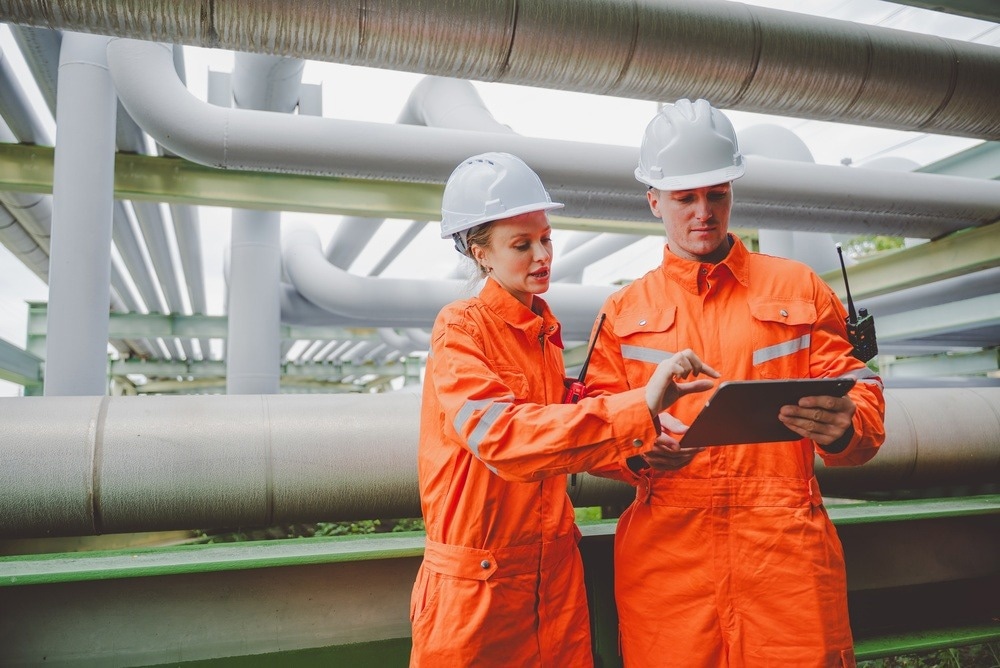
Image Credit: photobyphotoboy/Shutterstock.com
As industries become more automated, more regulated, and more sustainability-focused, the expectations placed on gas measurement technologies are increasing.
The future of gas analysis will be shaped by several converging trends: digitalization, ultra-trace measurement, sustainability, regulatory scrutiny, application-specific system design, and the need for greater operational reliability. These trends are influencing how gas analyzers are developed, specified, integrated, and maintained.
They are also changing how organizations think about gas analysis: not simply as an instrumentation requirement, but as a strategic capability that supports safety, efficiency, compliance, and long-term competitiveness.
For manufacturers such as Servomex, this changing landscape reinforces the importance of combining sensing technologies with deep application expertise. Future gas analysis needs will not be met by instruments alone. They will require solutions that are accurate, stable, easy to integrate, robust in operation, and aligned to the specific challenges of each application.
Digitalization and Smarter Process Control
One of the most significant trends influencing gas analysis is digitalization. Across industrial environments, there is a growing shift from standalone measurement devices towards connected systems that provide continuous data to wider control platforms. This allows gas analysis data to be used not only for monitoring, but also for automated control, performance optimization, and predictive maintenance.
In traditional process environments, a gas analyzer might have been used primarily to verify that a process remained within specification. While this remains important, modern systems increasingly use analyzer data to support real-time decision-making. Continuous measurement allows operators to identify deviations earlier, understand process trends, and respond before issues escalate.
Digital connectivity also enables improved diagnostics. Rather than waiting for a measurement failure or process alarm, operators can use analyzer performance data to identify early signs of degradation, calibration drift, or changing sample conditions. This supports a more proactive approach to maintenance and reduces the likelihood of unexpected downtime.
Servomex products such as the SERVOPRO DF-500 series, SERVOPRO DF-700 series, and SERVOPRO MultiExact 4100 reflect this shift. The platforms are designed around reliable, application-specific measurement while also supporting the operational needs of modern industrial users, including easier maintenance, improved usability, and digital functionality.
In the future, this combination of measurement performance and operational intelligence will become increasingly important.
Demand for Ultra-Trace Measurement
Another major trend shaping gas analysis is the increasing need to measure gases at extremely low concentrations. In many high-value industries, contamination that was once considered negligible can now significantly impact product quality, process yield, and regulatory compliance.
This is particularly evident in semiconductor manufacturing, where ultra-high-purity gases are essential. As device geometries become smaller and manufacturing processes become more sophisticated, tolerance for contamination continues to fall. Even trace levels of oxygen or moisture can affect yields, introduce defects, or compromise process consistency.
Ultra-trace measurement is therefore becoming a critical capability. Instruments must be able to detect contaminants at parts-per-billion or parts-per-trillion levels while maintaining long-term stability and avoiding excessive maintenance. This requirement places significant demands on sensor design, sample handling, calibration, and system reliability.
The SERVOPRO DF-500 series is highly relevant in this context, offering ultra-trace oxygen measurement for ultra-high-purity gas applications. Its role is closely aligned with the future direction of semiconductor and electronic-grade gas production, where lower detection limits and reliable impurity monitoring are essential.
The SERVOPRO DF-700 series extends this relevance by addressing trace and ultra-trace measurement of oxygen and moisture. This is particularly important because moisture control is a critical factor in many high-purity environments. As advanced manufacturing continues to demand tighter purity control, technologies capable of monitoring multiple contaminants at very low levels will become increasingly valuable.
Stability, Low Drift, and Confidence in Data
As gas analysis becomes more integrated into process control, confidence in measurement data becomes even more important. If analyzer readings are used to trigger process adjustments, safety actions, or quality decisions, those readings must be trusted.
This makes measurement stability a key future requirement. Drift, instability, and frequent recalibration can undermine confidence in analyzer data and increase operational burden. Industries are therefore increasingly seeking technologies that deliver stable, repeatable measurement over long periods.
Tunable diode laser (TDL) technology has an important role to play here. Because TDL measurements are based on light absorption at specific wavelengths, they offer strong selectivity and fast response. They are especially useful in applications where direct, in situ measurement can reduce sample handling complexity and improve response time.
The SERVOTOUGH Laser 3 Plus is relevant to this trend because it applies TDL technology in a compact platform designed for process oxygen measurement in challenging conditions. As industries look for analyzers that are easier to install, faster to respond, and more stable over time, compact laser-based systems will continue to play an important role.
Stability also matters in hazardous and safety-critical environments. In these applications, oxygen measurement may be used to prevent explosive atmospheres, support inerting, or maintain safe process conditions. The SERVOTOUGH Oxy 1900, with its paramagnetic oxygen measurement capability and hazardous-area suitability, remains relevant to industries where reliability and safety are central priorities.
Sustainability and Emissions Reduction
Sustainability is another major force shaping the future of gas analysis. Across industries, organizations are under pressure to reduce emissions, improve energy efficiency, and demonstrate environmental responsibility. Gas analysis supports these goals by providing the measurement data needed to understand, optimize, and verify process performance.
In combustion processes, accurate gas measurement can help optimize the air-to-fuel ratio, improving efficiency and reducing emissions. In emissions monitoring, analyzers provide the data required to demonstrate compliance with environmental limits.
In emerging areas such as hydrogen production, carbon capture, and low-emission industrial processes, gas analysis supports both process development and operational control.
The future of sustainability-focused gas analysis will require more than basic monitoring. Organizations will need accurate, stable, and continuous data that can be used to optimize processes in real time. This places greater emphasis on analyzer reliability, integration, and long-term performance.
Servomex’s wider portfolio is relevant here because it includes technologies for oxygen measurement, combustion applications, process control, and emissions-related monitoring. Products such as the SERVOTOUGH Laser 3 Plus and SERVOTOUGH Oxy 1900 can be positioned within this broader trend, supporting applications where oxygen measurement contributes to safer, cleaner, and more efficient operation.
Gas analysis will also help support the credibility of sustainability claims. As environmental reporting becomes more data-driven, organizations will need reliable measurement systems to support regulatory compliance and internal performance targets. Accurate gas data will become increasingly important not only for operations teams, but also for sustainability, compliance, and leadership functions.
Increasing Regulatory and Validation Requirements
Regulatory pressure is also shaping the future of gas analysis. In safety-critical and quality-critical industries, measurement accuracy, traceability, and validation are becoming increasingly important.
In healthcare and medical gas applications, gas composition must meet strict requirements to ensure patient safety, while process conditions must be controlled and documented in pharmaceutical manufacturing. In emissions monitoring, organizations must demonstrate compliance with environmental standards.
This creates a need for analyzers that not only provide accurate measurement, but also support validation, calibration, and documentation requirements. The future of gas analysis will therefore involve closer alignment between instrumentation, quality systems, and regulatory frameworks.
The SERVOPRO MultiExact 4100 is particularly relevant here because it is designed for industrial and medical gas manufacturers and can provide multiple simultaneous gas measurements. Multi-gas platforms like this are valuable in applications where operators need a broader picture of gas composition and where compliance depends on more than one measurement parameter.
As regulatory expectations increase, the value of application expertise will also grow. Customers will need support in selecting the correct measurement technology, configuring systems correctly, and ensuring that analyzers meet the needs of their specific process and compliance environment.
Application-Specific Solutions Over Generic Instrumentation
One of the clearest future shifts is the move away from generic instrumentation toward more application-specific gas analysis solutions. Industrial users increasingly need analyzers that are matched to their process conditions, measurement requirements, and operational constraints.
This is because gas analysis challenges differ significantly between applications. Semiconductor production requires ultra-trace impurity measurement. Pharmaceutical inerting requires reliable oxygen control in potentially hazardous environments. Combustion optimization requires fast response and robust operation. Medical gas validation requires multi-gas measurement and regulatory confidence.
A single technology cannot solve all of these challenges. Future gas analysis strategies will therefore rely on selecting the right technology for the right application. This means considering not only the target gas and measurement range, but also environmental conditions, installation constraints, calibration needs, maintenance requirements, and integration with control systems.
Servomex’s product range reflects this application-led approach.
The SERVOPRO DF-500 and DF-700 series align strongly with ultra-high-purity and semiconductor applications. The SERVOTOUGH Oxy 1900 supports hazardous-area oxygen measurement and safety-critical uses.
The SERVOTOUGH Laser 3 Plus series is relevant for fast, process-based TDL measurement, while the SERVOPRO MultiExact 4100 supports industrial and medical gas manufacturers requiring multi-component analysis.
In the future, companies that can combine product breadth with application depth will be well placed to support customers facing increasingly complex measurement challenges.
The Role of Service, Support, and Lifecycle Performance
As gas analysis systems become more critical to operations, lifecycle performance will become increasingly important. Customers are not only concerned with initial measurement performance; they also need confidence that analyzers will remain reliable over time.
This includes considerations such as calibration intervals, maintenance requirements, spare parts availability, service support, remote diagnostics, and ease of operation. A technically strong analyzer that is difficult to maintain may not deliver the best overall value. Conversely, systems designed for usability and serviceability can help reduce downtime and improve long-term performance.
Future gas analysis solutions will therefore be judged by more than specification sheets. Users will look for total value: measurement accuracy, stability, ease of integration, maintenance efficiency, and available expert support.
This is another area where Servomex can be positioned credibly. Its portfolio includes not only analyzer technologies but also application support and resource materials that help users select, understand, and maintain the right solution. The future of gas analysis is not just about better sensors, but about better measurement ecosystems.
Looking Ahead
The future of gas analysis will be defined by the need for greater precision, stronger reliability, and deeper integration into industrial processes. As industries evolve, gas analysis will continue to move from a supporting measurement function to a central component of process strategy.
Digitalization will increase the value of continuous measurement data; ultra-trace requirements will push detection limits lower; and sustainability goals will increase demand for emissions and efficiency monitoring.
Regulatory expectations will place greater emphasis on traceability and validation. At the same time, customers will increasingly expect application-specific solutions that deliver long-term reliability and practical operational value.
Servomex products such as the SERVOPRO DF-500, SERVOPRO DF-700, SERVOTOUGH Oxy 1900, SERVOTOUGH Laser 3 Plus, and SERVOPRO MultiExact 4100 demonstrate how different analyzer technologies are already aligned with these future needs.
Each supports a different aspect of the evolving gas analysis landscape, from ultra-trace purity measurement and hazardous-area oxygen monitoring to multi-gas validation and process control.
Ultimately, the future of gas analysis is about confidence: confidence in data, confidence in process control, and confidence that operations can meet increasingly demanding requirements. As industries pursue safer, cleaner, and more efficient processes, gas analysis will remain a critical enabler of progress.

This information has been sourced, reviewed, and adapted from materials provided by Servomex.
For more information on this source, please visit Servomex.