Sponsored by ServomexReviewed by Olivia FrostSep 1 2026
Though gas analysis plays a critical role in industrial operations, achieving consistent, reliable measurement remains one of the most persistent challenges faced by engineers and operators. While advances in sensing technologies have significantly improved performance, real-world operating conditions introduce complexities that can affect accuracy, stability, and long-term reliability.
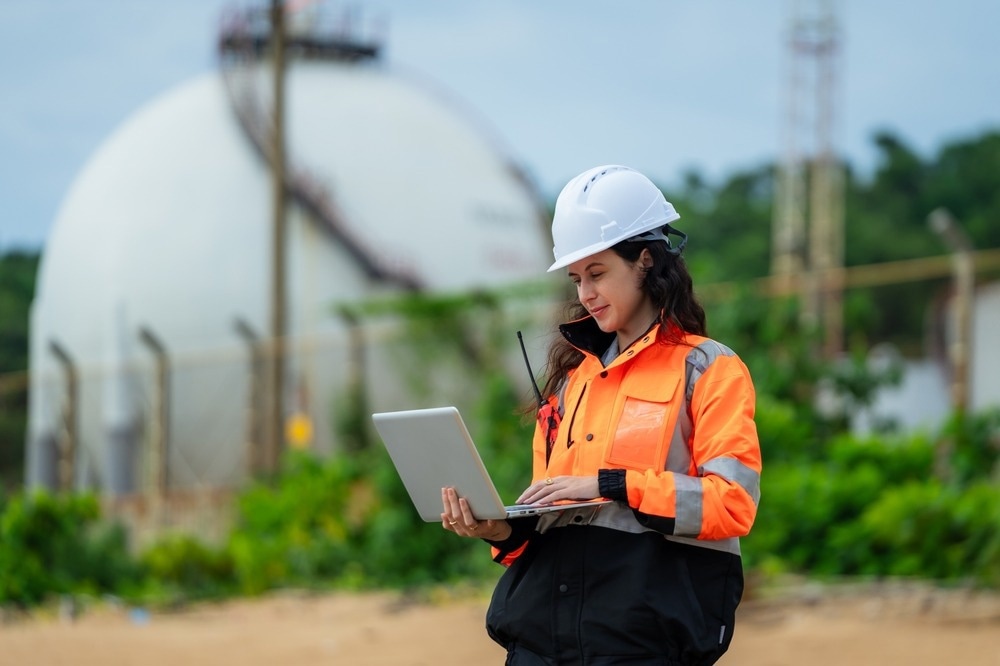
Image Credit: WUT.ANUNAI/Shutterstock.com
At the center of these challenges is measurement uncertainty. Gas analyzers are expected to deliver precise data across varying conditions, often over extended periods, but environmental factors, process variability, and sensor degradation can all influence performance.
Understanding these challenges and how they are addressed through technology and system design is essential for ensuring reliable gas measurement.
Drift and Long-Term Stability
One of the most common issues in gas analysis is measurement drift. Over time, sensors can gradually deviate from their original calibration, leading to inaccurate readings. This can occur due to environmental exposure, chemical interactions, or natural aging of the sensing element.
In applications such as semiconductor manufacturing or high-purity gas production, even minor drift can have significant consequences. Incorrect readings may lead to undetected contamination or unnecessary process interruptions. For this reason, stability is a key performance criterion for modern analyzers.
Non-depleting sensor technologies, such as those used in the SERVOPRO DF-500 series, help address drift by eliminating the need for consumable sensing elements (although the analyzer still requires regular maintenance such as topping up/replacing the electrolyte). This contributes to consistent performance and reduces maintenance requirements.
Contamination and Environmental Effects
Another major challenge is contamination. Process gases often contain particulates, moisture, or chemical impurities that can interfere with measurement. In some cases, these contaminants can degrade sensor performance or shorten the analyzer's lifetime.
This is particularly relevant in industrial processes involving solvents or reactive compounds. Exposure to these substances can affect certain sensor types, leading to reduced accuracy or failure.
To mitigate these risks, modern analyzers are designed with features that protect sensitive components. For example, the SERVOTOUGH Oxy 1900 incorporates design elements that enhance stability in challenging environments and robust construction suitable for hazardous-area applications.
In addition, the use of in situ measurement techniques, as seen in TDL systems such as the Laser 3 Plus, reduces the need for sample extraction and conditioning. This minimizes the risk of contamination and improves response time.
Background Gas Interference
Gas measurement does not take place in isolation. In most industrial environments, multiple gases are present, and interactions between them can affect measurement accuracy. Certain sensor technologies may respond to gases other than the target component, leading to cross-sensitivity and inaccurate readings.
This challenge is especially pronounced in applications with changing gas compositions, as variations in background gas levels can influence measurement results, making it difficult to maintain accuracy without careful selection of sensing technology.
Highly selective techniques such as laser-based analysis help to overcome this issue by targeting specific gas absorption characteristics. This allows for more accurate measurement even in complex gas mixtures.
Reliability, Maintenance, and Downtime
Operational reliability is just as important as measurement accuracy. Gas analysis systems must function consistently over time, often in demanding conditions. Systems that require frequent maintenance or are prone to failure can disrupt operations and increase costs.
Modern analyzer design addresses these concerns by focusing on durability, ease of use, and reduced maintenance requirements. Digital architectures, extended calibration intervals, and improved diagnostics all contribute to more reliable performance.
For example, the next-generation design of the SERVOPRO DF-700 series incorporates enhancements in digital processing and system architecture to support stable, long-term operation with reduced maintenance.
Where available, integrated diagnostics and remote communication capabilities can help operators identify potential issues earlier, enabling proactive maintenance and reducing downtime.
Conclusion
The challenges of gas analysis are not caused by one factor alone. Accuracy, stability, and reliability can all be affected by changing process conditions, background gas interference, contamination risk, sensor behavior, and the wider demands of the operating environment.
Choosing the right analyzer technology is therefore essential. By combining proven measurement techniques with robust system design, digital diagnostics, and application-specific expertise, operators can reduce uncertainty, protect uptime, and achieve gas analysis performance they can depend on over the long term.

This information has been sourced, reviewed, and adapted from materials provided by Servomex.
For more information on this source, please visit Servomex.