Thermogravimetric analysis (TGA) is an essential method for evaluating thermal stability and material composition by tracking changes in mass as temperature varies. For alumina (Al2O3), TGA can reveal thermal processes including dehydration, dehydroxylation, and the breakdown of impurities.
This article outlines a detailed method for operating a thermogravimetric analyzer to determine mass loss in alumina, with particular attention to factors that support accurate and reproducible results.
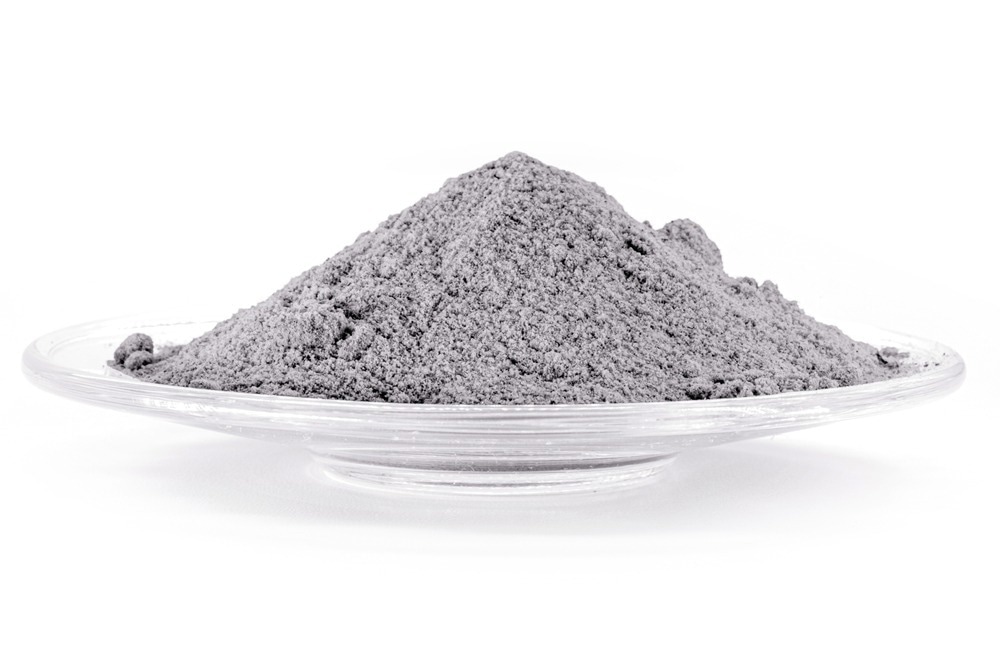
Image Credit: RHJPhtotos/Shutterstock.com
Materials and Equipment
- Thermogravimetric analyzer
- Alumina sample
- Crucible, generally made from platinum or alumina
- Balance for measuring the initial mass
- Protective equipment, including gloves and goggles
Procedure
Sample Preparation
1. Weigh the Sample
Precisely measure a small quantity of the alumina sample with a high-accuracy balance. Documenting the starting mass is essential for subsequent data evaluation. The selected portion should represent the bulk material, and preparation should minimize alterations and prevent contamination.
2. Place in Crucible
Put the measured sample into a clean crucible appropriate for TGA testing. Platinum and alumina crucibles are commonly selected because they remain stable at high temperatures and are chemically inert.
The crucible's porosity must also be taken into account; crucibles with open porosity promote gas exchange, making them advantageous when gas flow is required. By contrast, closed-porosity crucibles are appropriate for reactive or volatile samples.
Setting Up the Thermogravimetric Analyzer
1. Calibrate the Thermogravimetric Analyzer
Calibrate the thermogravimetric analyzer according to the manufacturer’s instructions. Calibration supports the accuracy and dependability of the measurements and may include analyzing a calibration standard or checking the baseline.
2. Load the Sample Into the Thermogravimetric Analyzer
Position the crucible containing the alumina in the instrument’s sample holder. Confirm that it is seated correctly to reduce the risk of measurement errors.
Running the Analysis
1. Set the Temperature Program
Configure the thermogravimetric analyzer to raise the sample temperature at a controlled rate, commonly 10 °C per minute. The selected endpoint should be sufficiently high to complete the sample’s decomposition or reaction, typically 1000 °C or higher for alumina.
2. Select the Atmosphere
Choose a suitable atmosphere for the experiment. Often, inert gases such as nitrogen or argon are selected to limit oxidation. If oxidation is being investigated, atmospheric air may instead be used.
3. Start the Analysis
Initiate the TGA measurement. As the temperature rises, the thermogravimetric analyzer will continuously track and record the sample mass.
Data Collection and Analysis
1. Monitor the Run
When possible, observe the TGA trace during the experiment. Increasing temperature will produce a curve showing mass reduction and revealing the occurrence of different thermal processes.
2. End the Run
After the programmed heating cycle has finished, let the sample cool before touching or removing it. This helps maintain safe handling conditions and reduces the chance of thermal injury.
3. Analyze the Data
Locate the mass-loss regions on the TGA curve. These features represent temperatures at which individual sample constituents undergo decomposition or reaction. For alumina, relevant events may include the removal of adsorbed moisture, dehydroxylation of aluminum hydroxides, and the decomposition of impurities.
Calculating Loss on Mass
1. Determine Mass Loss
Obtain the overall mass loss by comparing the sample’s initial mass with its final mass following the TGA experiment. This measurement helps evaluate the alumina sample’s composition and resistance to thermal changes.
2. Interpret Results
Mass reduction may result from the breakdown or transformation of particular constituents in the alumina, including:
- Removal of adsorbed water
- Decomposition of impurities
- Phase transformations within the alumina
The shape and particle size of alumina can also influence gas diffusion during the measurement. Larger solid fragments generally decompose at higher temperatures than granular or finely divided material.
Reporting Results
1. Document Findings
Note the beginning and end sample masses, the programmed temperature profile, and the atmosphere applied during testing. Include the TGA curve to provide a complete record of the analysis.
2. Discuss Implications
Describe the importance of the observed mass loss in relation to the relevant application or research objective. The findings may provide information about alumina purity, contaminant levels, or the material’s thermal stability.
XRF Scientific's Thermogravimetric Analyzers Expand Knowledge
Following these procedures and accounting for the associated experimental factors allows a thermogravimetric analyzer to be used effectively to measure mass loss in alumina. The data it generates offers useful insight into the material’s composition and thermal stability.
For a broader introduction to thermogravimetric analysis, consult a beginner’s guide to the technique. Such resources provide further explanations and practical recommendations for operating a thermogravimetric analyzer and obtaining accurate, dependable results.
XRF Scientific supplies thermogravimetric analyzers for applications such as measuring mass loss in alumina, as outlined. Instruments of this type can provide high sample throughput through features such as a 30-position carousel, a user-friendly interface, and efficient heating and cooling cycles. Using suitable thermogravimetric analyzers can improve the efficiency and consistency of this type of work.

This information has been sourced, reviewed, and adapted from materials provided by XRF Scientific.
For more information on this source, please visit XRF Scientific.