Download the attached eBook to discover how tribology testing improves component design, quality, and performance across industries.
Key takeaways:
- Understand how tribology testing helps predict wear, friction, and material degradation to improve performance in demanding operating environments
- Discover advanced tribological testing techniques for evaluating abrasion resistance, erosion, scratch resistance, and sliding wear across a wide range of materials and surface coatings
- Learn how tribology data supports informed materials selection, optimized product design, and extended component service life in critical industrial applications
- See how NPL combines independent technical expertise, advanced surface characterization, and tailored consultancy services to address complex engineering and materials challenges
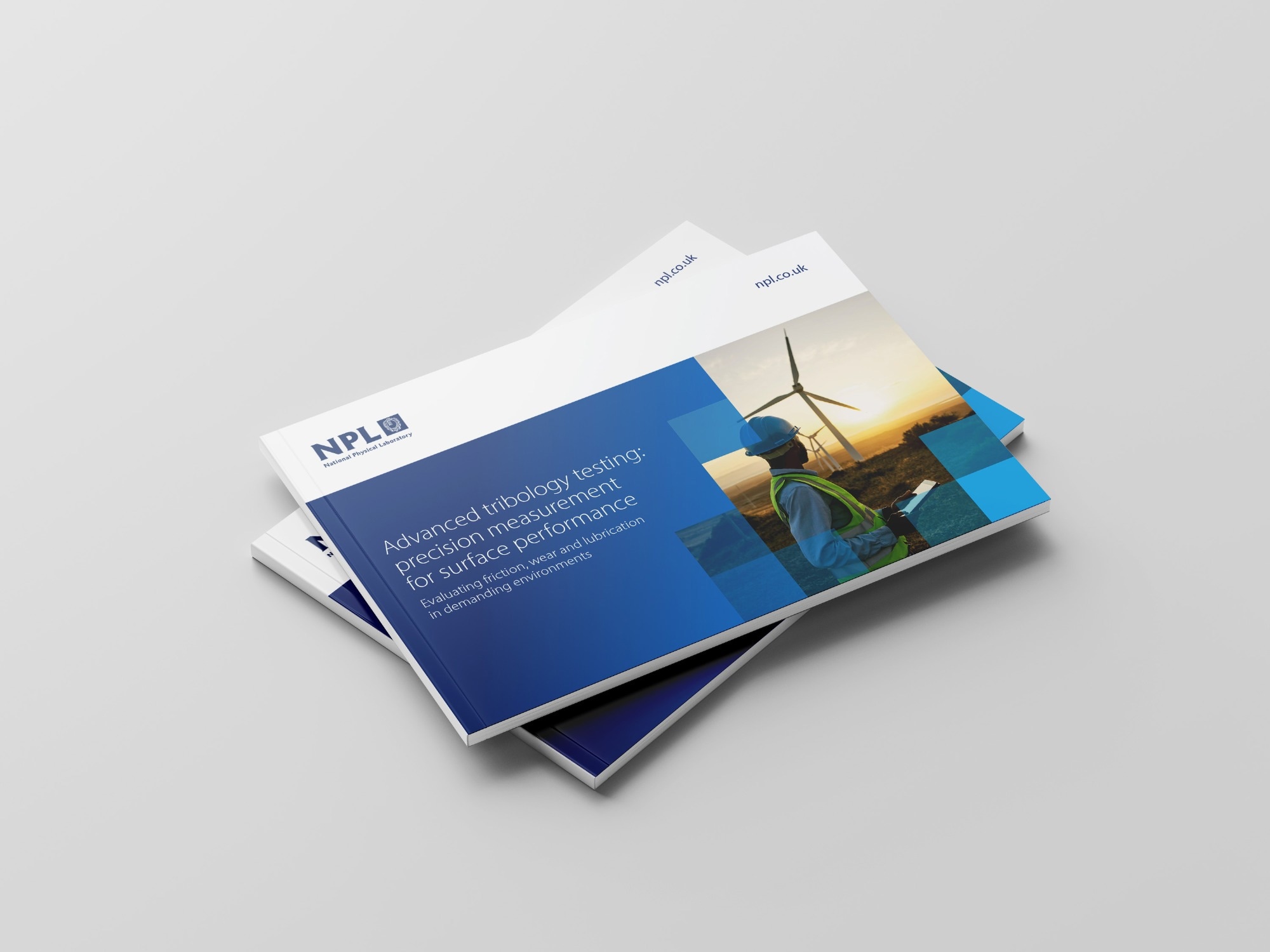
Understanding how materials respond to stress is critical for maintaining reliability, performance, and longevity, particularly in extreme environments. The science of tribology, which studies the interactions between surfaces in motion, is essential in tackling these challenges.
Accurate testing procedures are crucial for enhancing surface engineering and forecasting material failure in a variety of industries, including wind turbine blades, aerospace components, coatings, and composites.
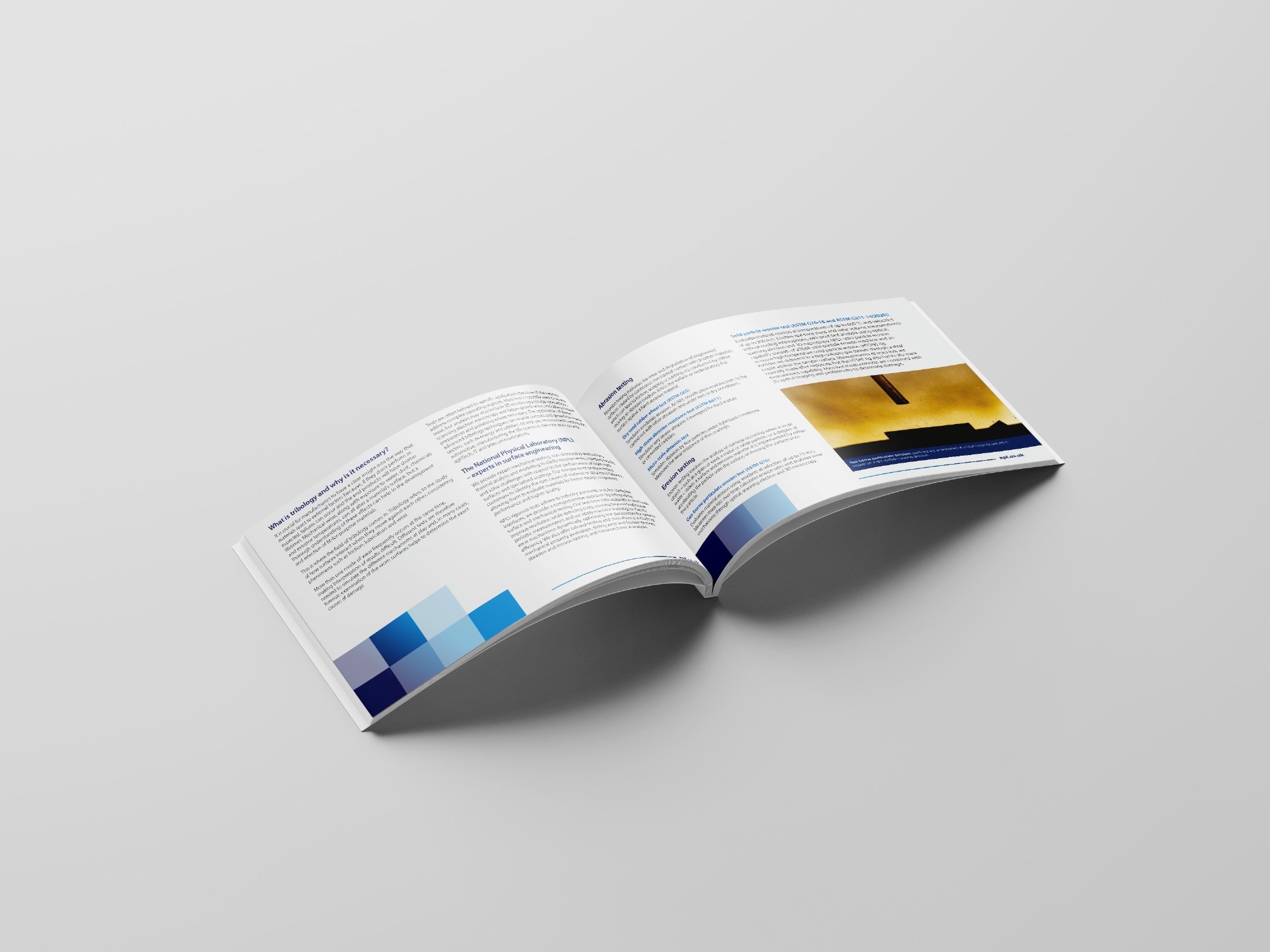
This eBook covers advanced tribology techniques used by NPL to analyze abrasion, erosion, friction, and wear on both the macro and micro scales. It describes how cutting-edge approaches, such as real-time data acquisition and forensic surface analysis, help industries improve durability, reduce costs, and improve product design.
With decades of experience and world-class expertise, NPL provides tailored tribology solutions that help engineers, manufacturers, and researchers make informed decisions and extend the life of critical components.

This information has been sourced, reviewed, and adapted from materials provided by National Physical Laboratory (NPL).
For more information on this source, please visit National Physical Laboratory (NPL).