Servomex has developed a customized combustion monitoring solution designed to meet the challenges faced by a global petrochemical producer. This work was outlined in a case study that originally appeared in the Q4 2019 issue of PTQ's Technology in Action feature.
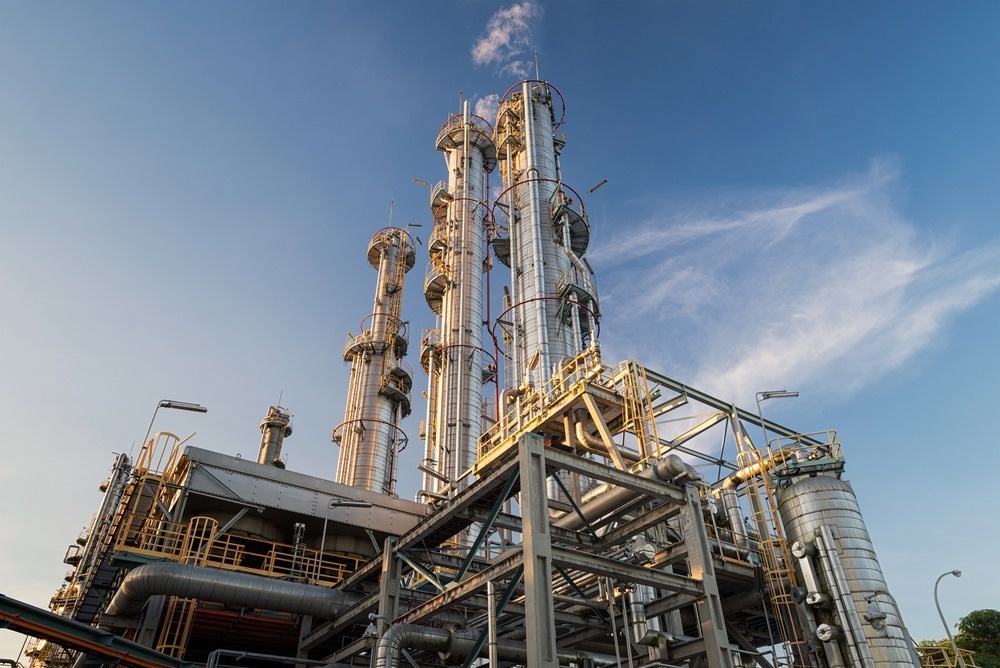
Image Credit: ToppyBaker/Shutterstock.com
This petrochemical company uses ethylene cracker plants in Kuwait to produce ethylene from natural gas as part of its ethylene glycol manufacturing process. Effective gas analysis solutions are required in the furnaces within these plants in order to ensure efficient combustion control.
An optimized air-to-fuel ratio is key to a well-controlled combustion process. This is because high excess air leads to expensive fuel consumption and inefficient burning, but low-oxygen, fuel-rich conditions can potentially result in a dangerous explosion.
Plant operators monitor oxygen levels using gas analyzers in order to maintain an optimized air-to-fuel ratio that is both fuel-efficient and safe. These operators will often add a carbon monoxide or combustibles analyzer to their setup to ensure maximum efficiency.
Chemical plants generate very hot conditions, and this factor is especially important when the natural climate of Kuwait is added into the equation. Analyzers in this plant are generally required to operate at an ambient temperature around 70 °C to 80 °C (158 °F to 176 °F).
The typical nominal ambient temperature for a combustion gas analyzer is approximately 50 °C to 60 °C (122 °F to 140 °F), and the analyzer’s internal temperature is generally around 10 °C to 15 °C (18 °F to 27 °F) above ambient. In this instance, however, the inside of the analyzer was reaching temperatures close to 100 °C (212 °F).
The components of these analyzers will age prematurely under higher temperatures, prompting device failure that necessitates potentially expensive early repair or replacement. A failing analyzer will also be less accurate, impacting combustion efficiency and raising fuel costs.
Even the smallest reduction in efficiency can be very costly, given the considerable amount of fuel required to keep cracker furnaces at around 1200 °C (2192 °F).
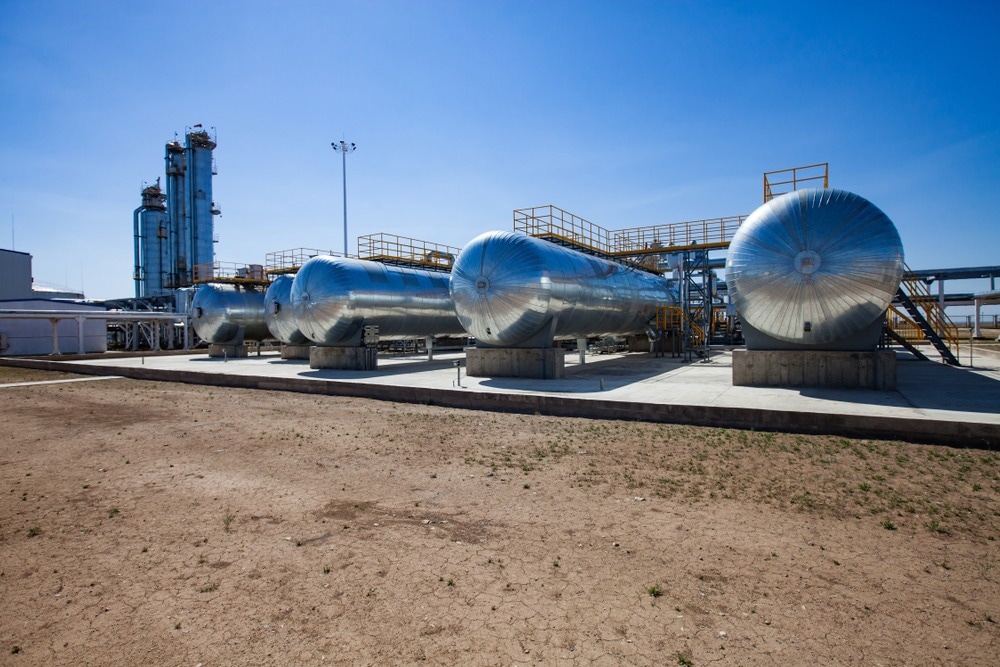
Image Credit: Alexey_Rezvykh/Shutterstock.com
Heat damage to analyzers is also a common issue for plant operators in regions with high background temperatures. Manufacturers can build gas analysis equipment able to operate normally at ambient temperatures of 80 °C (176 °F) or above, but these analyzers are far more expensive than analyzers that have been developed for more temperate environments.
Servomex’s solution in this instance was to supply the plant with modified SERVOTOUGH FluegasExact 2700 analyzers. This combustion analyzer leverages zirconium oxide sensing technology for reliable, rapid response oxygen measurements. It also features a thick film calorimeter for accurate combustibles measurements, offering a complete combustion control solution in one instrument.
The FluegasExact 2700’s operating range is from -20 °C to +70 °C (-4 °F to +158 °F), meaning that it is already able to accommodate a range of ambient temperatures. Its integral sampling system is also custom-designed for operation in some of the most challenging high-temperature combustion environments.
Despite these benefits, Servomex recognized that additional modifications were needed to enable the instrument to operate effectively at higher ambient temperatures.
Each analyzer was fitted with a Vortec cooler to provide a continuous supply of cool air and purge the analyzer, reducing internal temperature by preventing hot gas build-up. This adaptation helped to maintain a ‘normal’ temperature within the device, ensuring a typical lifespan for its electronic components.
It is important to note that different molecules move at different speeds and directions depending on their mass and temperature. This results in the creation of a hot end and a cold end within the cooler. The provision of instrument air and a regular blast of cool air to the analyzer maintains a lower temperature than ambient.
This simple solution still required expert application knowledge and engineering expertise to ensure the airflow provided was appropriate for the process conditions at the Kuwait site.
A total of 12 FluegasExact 2700 systems were delivered to this site, and installed and commissioned by Servomex engineers. These analyzers have successfully operated for 4-5 years thus far and currently exhibit none of the ill effects typically experienced by analyzers working in hot environments.
Acknowledgments
Produced from materials originally authored by Jo Calvert from Servomex Group Limited.

This information has been sourced, reviewed and adapted from materials provided by Servomex.
For more information on this source, please visit Servomex.