Sponsored by InterpowerReviewed by Olivia FrostApr 13 2026
Made to Order
Interpower's Made-to-Order (MTO) section specializes in modifying AC power cables and building supplementary power components. Value-added procedures, services, and enhancements to guarantee clients get what they need the first time and stay on schedule.
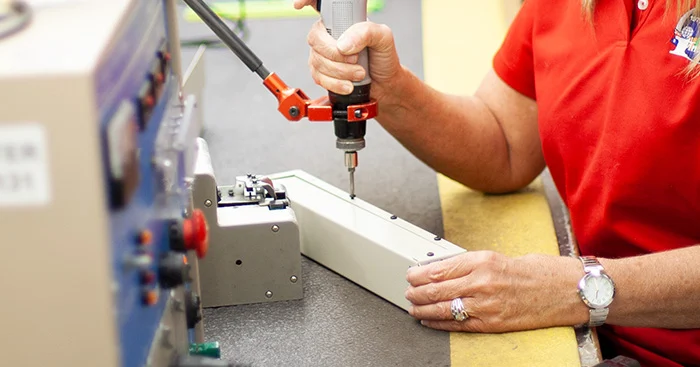
Image Credit: Interpower
“Our customers reach out to us for solutions to ease their pain,” said Ralph Bright, Vice President of Marketing & IT. “Whether it is adding value-added services, or providing customers with electrical knowledge in multiple formats, we are always prepared to immediately step in and offer the right products, services, and advice.”
MTO has been known for its industry-unique 1-week U.S. manufacturing lead times on bespoke orders since 2008; with the exception of the 2021 viral quarantines, MTO has stayed committed to its "1-Week Unique" primary purpose.
Ordering everyday power cables from a distributor's website is one thing; getting power cords from a manufacturer's website, which offers hospital-grade-tested cords, same-day shipment on stocked items, and a broad range of customization and value-added services, is quite different.
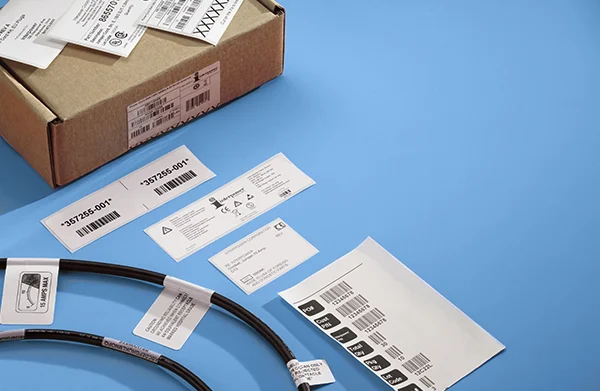
Image Credit: Interpower
Customized Labels and Packaging
MTO staff can be located at stations loaded with racks of equipment used mostly for wiring, tightening, torquing, and testing, such as custom wiring APS and PDU housings, and tightening them to the proper torque.
However, supplementary power is only one facet of MTO; staff travel between cells, machines, and equipment to assemble, crimp, test, cut cords to precise lengths, and offer bespoke labels and barcodes for cords and cable sets.
This contains labels that are wrapped, tagged, barcoded, and uniquely identified by device. Cords can be packed in any way clients prefer, including coiled, hanked, knotted, bagged, labeled with a variety of barcodes, and, of course, boxed.
MTO is always fine-tuning procedures and products - the department may execute many orders at once while remaining flexible enough to split a large order to fulfill a smaller one, keeping both orders on track.
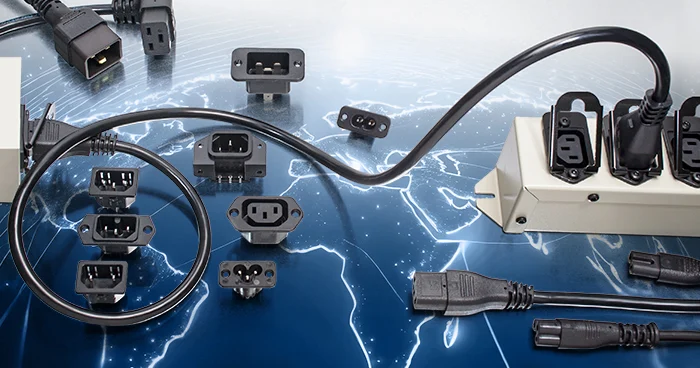
Image Credit: Interpower
Accessory Power
MTO takes the powder-coated metal housings for the APS and PDUs, assembles the wire, connects it to the customer-specified number of inlets and outlets, and installs circuit breakers, fuses, and fuse holders, and inspects and tests them multiple times before shipment. These devices offer a variety of input and outlet configurations.
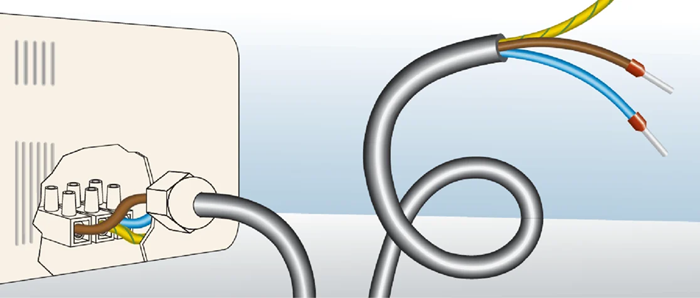
Image Credit: Interpower
Cable Terminations
MTO assembles cable terminations in a variety of configurations, including three bare wires, two bare wires with one ring terminal, two bare wires with one spade terminal, three ultrasonic welds, two ultrasonic welds with one ring terminal, three wires with crimped ferrules, and three bare wires with straight-style quick disconnect. Again, more tweaks.
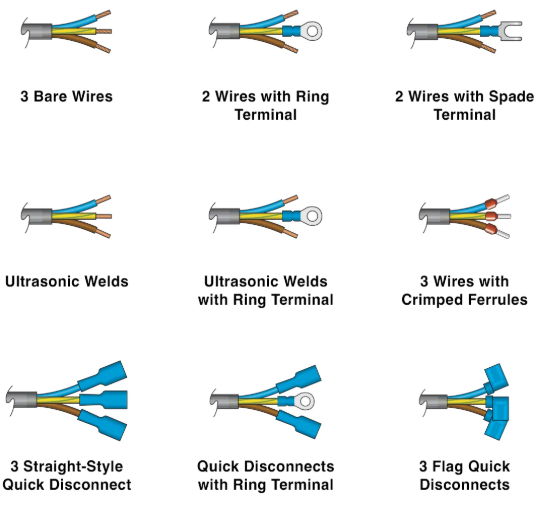
Image Credit: Interpower
Heat-Shrink Tubing
A shrinkable plastic tube insulates wires and provides abrasion resistance, protecting strained and solid wire conductors, connectors, and terminals.
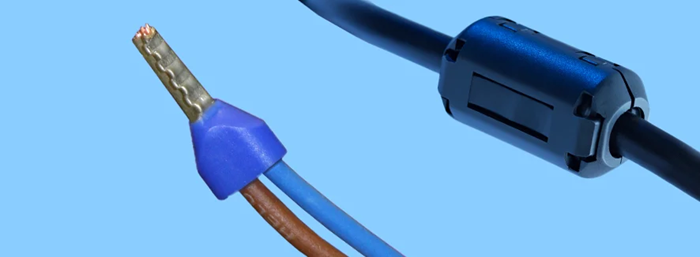
Image Credit: Interpower
Ferrules and Ferrites
A ferrule is an internal component that improves electrical contact in applications where bare strands may spread, resulting in arcing or loss of continuity. Ferrules exist in two varieties: insulated and uninsulated.
The insulated version, placed on the "top" of the ferrule, helps prevent arcing during installation. Ferrites are beads that minimize or eliminate electromagnetic interference (EMI) from or to a device, hence reducing "noise" in an electrical design.
Customized Barcodes
A one-dimensional barcode is a machine-readable code printed on a label in the form of numbers or alphanumeric designations, as well as a pattern of parallel lines of varied width. These identifiers may contain location, category, price, and other important information. Barcodes are often read and automatically put into software systems.
That software links to worldwide distribution systems, allowing businesses to manage inventory and logistics, monitor trends, determine which items should be supplied over others, and reduce stock to make room for more in-demand products.
A 2-D, QR, or tiny QR code can link consumers across industries to corporate websites, products, and other information with a quick scan.
2-D codes consist of boxes or similar shapes with solid borders, whereas QR codes have solid boxes at the corners. These blocky box codes can hold hundreds of characters for scanners to decode, whereas 1-D barcodes carry far less information.
Quality and accuracy (how the code is organized on the label) is another quality check at Interpower. It must be correct, centered, and in a sufficiently black font. Interpower employs both wax and paper labels, depending on their destination and use.
If one vertical bar is too close to the edge, it may not be legible. Centering the label demonstrates attention to detail before sending merchandise to the consumer.
Selecting the Correct Cable
Video Credit: Interpower

This information has been sourced, reviewed, and adapted from materials provided by Interpower.
For more information on this source, please visit Interpower.