When it comes to safeguarding on-site personnel, equipment, and operations in industrial facilities where fire hazards are prevalent, flame detectors are crucial instruments.
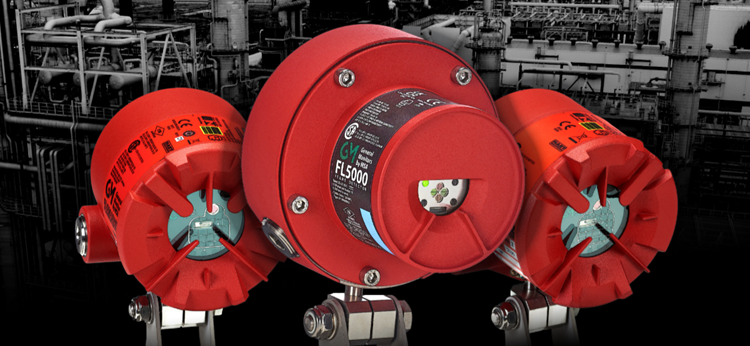
Image Credit: MSA - The Safety Company
However, knowing which is the ‘right’ flame detector, and ensuring it is properly installed, can make a considerable difference in just how effective a fire protection system really is.
This article outlines the main considerations that should be taken into account when selecting and installing flame detectors to help enhance safety at any facility.
Why Flame Detector Selection Matters
Not all flame detectors are created equal, and if the selected option is not appropriate for the environment in which it is installed, it could result in false alarms or even missed detections.
Fires, whether fueled by hydrocarbons or gases such as hydrogen, radiate different wavelengths of energy. Flame detectors are usually designed to identify certain types of radiation: ultraviolet (UV), infrared (IR), or a combination (e.g., UV/IR, Multi-Spectrum IR). This makes it important to ensure adequate fire detection when selecting a detector that suits the needs of an environment.
Key Factors for Flame Detector Selection
1. Fire Type and Fuel Source
Having an understanding of what types of fires are most probable in a particular facility is a key step in choosing the right flame detector. Different types of fire, including hydrocarbon fires and hydrogen fires, produce different radiation patterns. Therefore, users must make sure that their chosen detector can detect the energy emitted by the specific types of fires from which protection is required.
2. Environmental Conditions
Environmental factors, including fluctuations in temperature, humidity, rain, fog, dust, or steam, can influence how a flame detector performs. In harsher conditions, flame detectors that have been developed for use in unforgiving environments are best, including explosion-proof or ruggedized models with high IP ratings.
3. Detection Range and Field of View
Each flame detector is equipped with a unique detection range, also known as the field of view (FoV). It is absolutely crucial that the area that the detector will protect is carefully evaluated to ensure full coverage without obstruction.
Depending on the facility’s layout, multiple detectors may be required to effectively cover large or complex areas. A mapping study can be used to optimize coverage - this includes a comprehensive analysis that models detector placement, range, and potential obstructions within the specified protection area.
Mapping studies are able to help determine the number and locations of detectors required to achieve the desired level of fire detection performance.
4. Response Time and Sensitivity
The response time of a flame detector is crucial, particularly in high-risk environments where rapid detection is a necessity. Detectors with adjustable sensitivity settings are considered best if looking for a balance between early warning systems and reducing the risk of false alarms. A detector that offers an adequate response time for your operations should always be selected.
5. Certifications and Compliance
It is also important that any flame detector is compliant with the relevant industry standards and regulations (e.g., FM, ATEX, IECEx, SIL certifications). Compliance with these standards helps ensure safety as well as meeting any insurance or local regulatory requirements.
Best Practices for Flame Detector Installation
1. Placement of Detectors
As a general rule, flame detectors should be installed in locations with a clear line of sight that covers all potential fire hazards, avoiding any obstructions that could hinder detection. Detectors should not be placed where they might be exposed to direct sunlight, reflective light, or hot air exhausts, as these conditions can cause false alarms.
2. Mounting Height and Angle
The manufacturer’s recommended mounting height and angle should be implemented to ensure maximum coverage. Generally, detectors should be installed at a minimum height of 10 feet and angled slightly downward to optimize detection of potential hazards.
3. Wiring and Electrical Connections
The appropriate wiring techniques should always be used following the manufacturer’s installation guidelines, especially in hazardous environments. Shielding cables can prevent or minimize electromagnetic interference. Wiring techniques should also be compliant with local electrical codes and regulatory protocols.
4. Regular Testing and Maintenance
Even the best flame detectors must undergo routine maintenance to ensure they perform at the levels intended. Recommendations include regular cleaning - particularly in environments with heavy dust or debris - and functional testing using a flame simulator. The manufacturer’s guidelines should be used for all maintenance and testing procedures.
5. Integration with Control Systems
Integration of the flame detectors into the wider fire safety system network, including fire alarm panels, horns, strobes, and emergency shutdown systems is crucial. This ensures that, if a fire event occurs, systems can respond automatically with actions including activating fire suppression systems, gas shutoff, and equipment shutdown.
Conclusion
Knowing which flame detector is best for a facility is a key part of safeguarding operations. By assessing specific fire risks, environmental conditions, and application requirements, choosing the detector that enhances fire detection and protection at a facility is easy.
While this article covers key general advice, it is recommended that a consultation with fire protection professionals, such as fire protection engineers and local code authorities, is conducted to ensure compliance with applicable standards and codes in the local region.

This information has been sourced, reviewed and adapted from materials provided by MSA - The Safety Company.
For more information on this source, please visit MSA - The Safety Company.