This article examines simultaneous reactions that compete with the selective catalytic reduction of nitrogen oxides by ammonia (NH3-SCR). Specifically, the described study investigates ammonia oxidation (AMO) and the generation of unwanted byproducts N2O and NO2 over Cu/SSZ-13 and Fe–Cu/SSZ-13 zeolite catalysts.
Special attention is given to how the technique of iron introduction and reaction conditions (dry versus wet) impact catalytic activity, selectivity, and the nature of active sites.
Bimetallic Fe–Cu/SSZ-13 catalysts were prepared with a two-stage strategy in which copper was integrated into the SSZ-13 framework using one-pot synthesis. Iron was subsequently introduced through either impregnation or ion exchange.
The experiments took place in a quartz fixed-bed reactor together with a QMS detector (Hiden Analytical HPR-20) and an FTIR spectrometer equipped with a multiple-reflection gas cell.
Additionally, density functional theory (DFT) coupled with first-principles thermodynamics (FPT) modeling was employed to determine the speciation and stability of Cu–Cu, Fe–Fe, and mixed Cu–Fe active sites under relevant reaction conditions. Isotopic experiments employing 14NH3/15NH3 enabled the separation and quantification of SCR and AMO pathways under steady-state conditions.
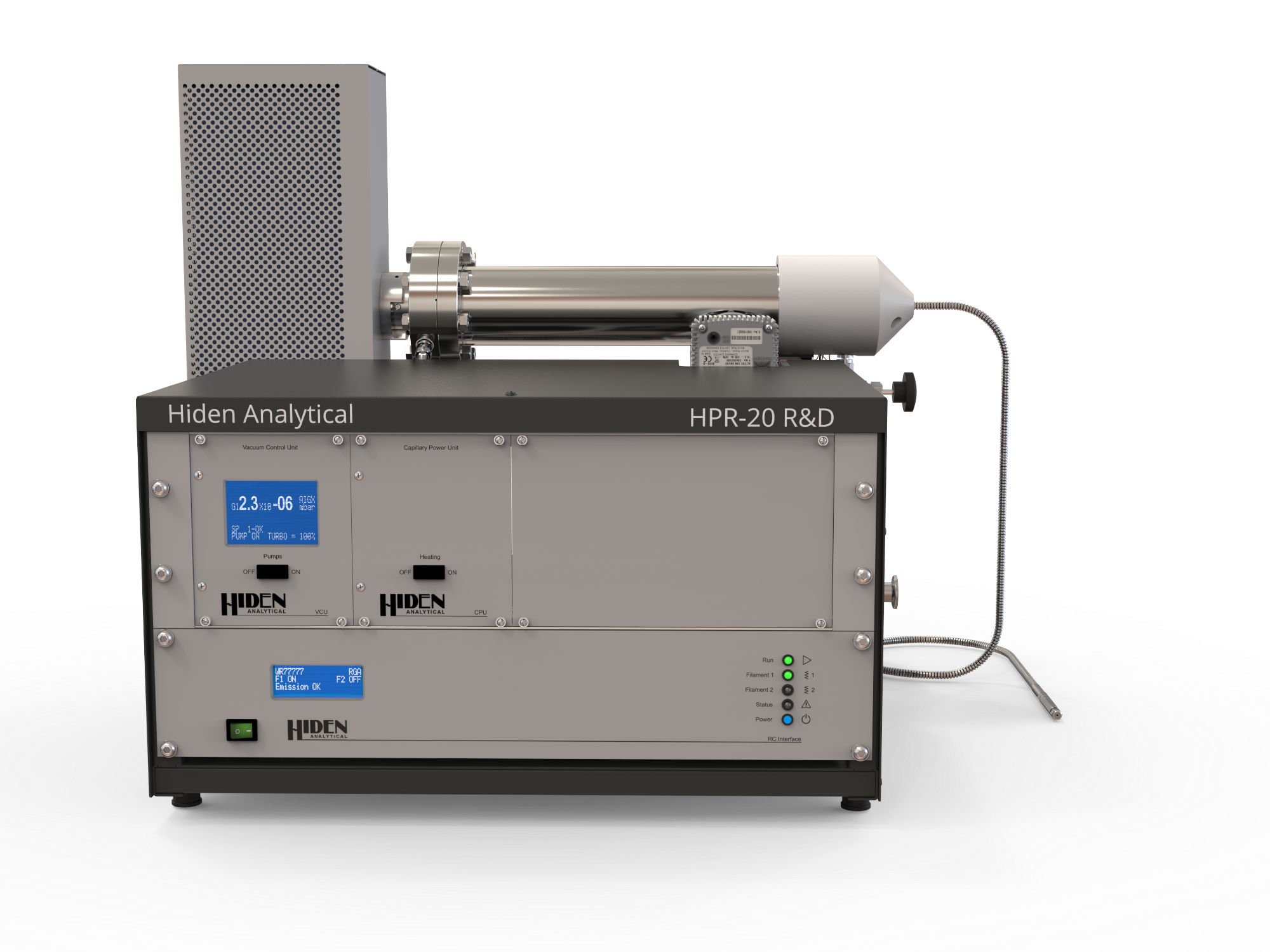
Figure 1. Hiden Analytical HPR-20 R&D. Image Credit: Hiden Analytical
Although all catalysts retained the CHA structure of SSZ-13, the preparation technique heavily impacted metal distribution and speciation. Ion exchange resulted in partial copper leaching and the generation of segregated FeOx and CuOx species on the external surface, while impregnation maintained an elevated intrazeolite copper content, leading to more favorable iron dispersion.
These structural variations significantly affected catalytic performance. Catalysts prepared using impregnation featured a wider operational temperature window, elevated apparent turnover frequencies, and superior selectivity toward N2 relative to their ion-exchanged counterparts.
The competition between SCR and AMO was demonstrated to be highly sensitive to both catalyst composition and temperature. At reduced temperatures, isolated Cu2+ sites dominated SCR activity, whereas excessive NH3 adsorption resulted in inhibition impacts, especially in Cu-depleted ion-exchanged samples.
At elevated temperatures, ammonia oxidation grew in importance, particularly on segregated metal oxide species, leading to a decline in NO conversion and improved N2 formation unrelated to SCR.
It should be noted that Fe addition, when introduced by impregnation, was shown to mitigate these negative impacts, substantially suppressing NH3 oxidation and minimizing N2O formation by up to a factor of five.
Water vapor played an advantageous role by shifting the active site equilibrium from oxo to hydroxo forms, as verified by DFT/FPT modeling and operando IR spectroscopy. This transformation minimized the accumulation of nitrate and ammonium nitrate within the zeolite pores, thus reducing N2O formation and enhancing overall N2 selectivity, especially for Fe–Cu catalysts prepared by ion exchange.
Overall, the research shows that meticulous control of metal speciation via synthesis strategy is critical for SCR performance optimization. Impregnation-derived Fe–Cu/SSZ-13 catalysts provide an effective method for expanding the operational temperature window, suppressing parasitic ammonia oxidation, and reducing N2O emissions.
This could deliver valuable insights for the design of next-generation NH3-SCR catalysts.
Acknowledgments
Produced from materials originally authored by Monika Fedyna, Jagiellonian University.
References and Further Reading
- Fedyna, M., et al. (2025). Concurrent processes of N2O/NO2 formation and NH3 oxidation competing with the main course of NH3-SCR over Cu/SSZ-13 and Fe-Cu/SSZ-13 catalysts. Research on Chemical Intermediates. DOI: 10.1007/s11164-025-05867-z. https://link.springer.com/article/10.1007/s11164-025-05867-z.

This information has been sourced, reviewed, and adapted from materials provided by Hiden Analytical.
For more information on this source, please visit Hiden Analytical.