Power-to-gas (PtG) procedures play a major role in the defossilization of global economies, particularly within the chemical sector. The intermittency of renewable energy sources requires long-term chemical storage of electricity, which is enabled by dynamically operated PtG processes.
A key part of this process is CO2 methanation, in which hydrogen and carbon dioxide are converted into methane, a synthetic natural gas. However, the dynamic operation of such heterogeneously catalyzed processes presents unique hurdles and has increasingly captured the focus of the reaction engineering community in recent years.
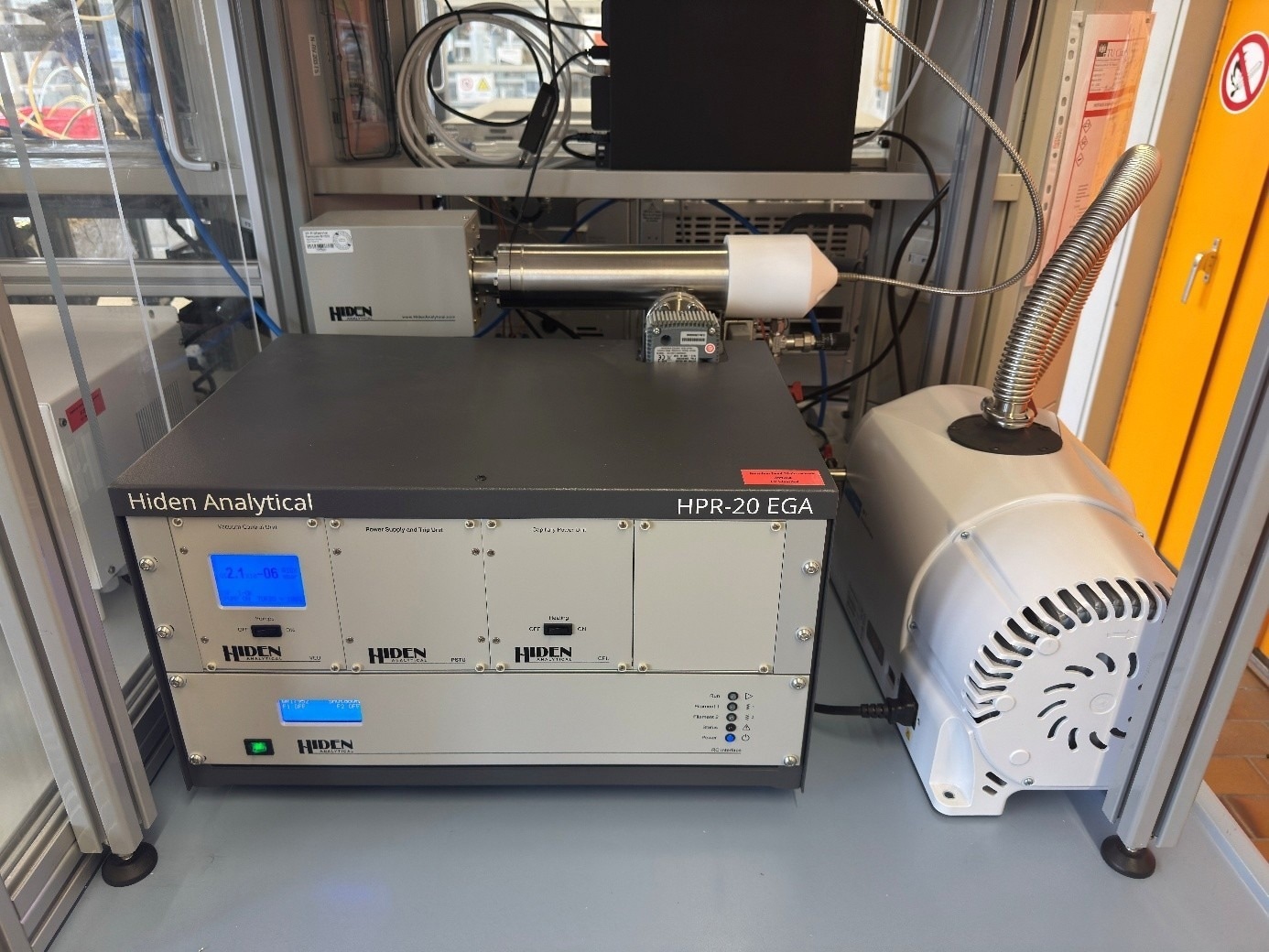
Figure 1. HPR-20 EGA, Hiden Analytical. Image Credit: Hiden Analytical
Recent research provided an in-depth experimental investigation into the dynamic behavior of CO2 methanation in a tubular profiling reactor. A critical feature of the work is the concurrent, spatially and temporally resolved measurement of gas-phase composition and temperature within the catalyst bed, enabling direct insight into reaction dynamics that standard laboratory reactors typically cannot access.
A capillary located at the center of the fixed bed permits defined sampling of gaseous samples for analysis via a mass spectrometer with high temporal resolution. The reactor is subjected to dynamic step alterations in the feed. The temporal response is measured at different axial positions and combined during post-processing to obtain spatiotemporal profiles across the reactor.
This advanced approach resolved multiple transient impacts across the reactor.
Direct Observation of Reactant and Product Progression Inside the Reactor
The measurements demonstrate how reactant consumption and product formation propagate through the catalyst bed following a step change in the feed, as governed by the applied reaction conditions. Methane is formed sequentially along the reactor length, while adsorption enhances the depletion of the reactant carbon dioxide, resulting in an initial over-stoichiometric decrease.
Transient Selectivity Impacts
During the early stage after a feed switch, the selectivity toward carbon monoxide alters substantially. This behavior is likely due to coverage-dependent reaction rates combined with the dynamic interplay of the consecutive reverse water-gas shift (rWGS) and CO methanation reactions within the reaction network.
Temperature Overshoot Phenomena
During the reactive step, the reactor temperature increases quickly before decreasing toward the steady-state thermal profile. This behavior arises from the increasing coverage of the catalyst surface during the stage, which supports accelerated reaction rates and, as a result, a greater release of heat at the start of the applied step.
Implications
The combined spatiotemporal concentration and temperature profiles offer a unique, high-quality dataset. This information can help to verify comprehensive reactor models and develop sophisticated kinetic descriptions in dynamic operational environments.
In conclusion, this study highlights the importance of internal reactor measurements for uncovering reaction dynamics that remain hidden in traditional experiments. By resolving concentration and temperature gradients with exceptional fidelity, the research offers crucial insights that facilitate enhanced mechanistic comprehension, more dependable modeling, and ultimately the optimization and scale-up of methanation reactors operated under versatile, renewable-driven conditions.
Acknowledgments
Produced from materials originally authored by Prof. Dr.-Ing. Thomas Turek, Institute of Chemical and Electrochemical Process Engineering, at Clausthal University of Technology.
References and Further Reading
- Küchen, G. and Turek, T. (2026). Measuring Spatiotemporal Concentration and Temperature Profiles in a Tubular Fixed-Bed Reactor for CO2 Methanation. ChemCatChem, 18(1). DOI: 10.1002/cctc.202501636. https://chemistry-europe.onlinelibrary.wiley.com/doi/10.1002/cctc.202501636.

This information has been sourced, reviewed, and adapted from materials provided by Hiden Analytical.
For more information on this source, please visit Hiden Analytical.