International climate initiatives commonly include goals to limit global temperature rise and achieve net-zero greenhouse gas emissions by 2050, with substantial CO₂ emission reductions recognized as an important component of these efforts.
Image Credit: CHUYKO SERGEY/Shutterstock.com
Burning fossil fuels for power, industry, and transport produces CO2, which can remain in the atmosphere for long periods and contribute to climate change.
While renewable energy adoption and efficiency improvements play an important role in lowering emissions, certain industrial sectors, such as cement, steel, and chemicals, remain difficult to decarbonize.
Carbon Capture, Utilization, and Storage (CCUS) technologies can help reduce emissions from these industries by capturing CO2 at the source, reusing it in industrial processes, or storing it underground to prevent release into the environment.
The Carbon Capture, Utilization, and Storage (CCUS) Ecosystem
Each stage of the Carbon Capture, Utilization, and Storage (CCUS) value chain, including CO2 capture and compression, transportation, utilization, and subterranean storage, has special operational and safety considerations.
These may involve high-pressure system management and risk mitigation measures such as gas leaks, flammable or toxic gas exposure, and oxygen-deficient situations.
Implementing a well-designed safety system with adequate detection coverage and dependable performance may help reduce risk and support asset integrity, personnel safety, and environmental protection.
Figure 1 shows the total CCUS ecology. Each activity block will be investigated further to better understand the safety risks, gas leaks, and flame detection elements.
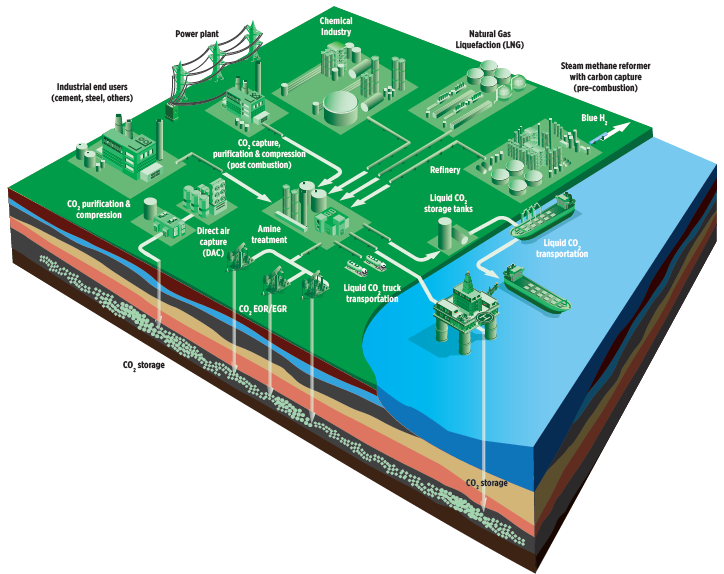
Figure 1. Overall CCUS Ecosystem. Image Credit: MSA - The Safety Company
General Standard Guidelines
Even if CCS/CCUS is not explicitly mentioned, some standards may apply. This includes IEC 80079-20-1:2019 (also known as EN ISO/IEC 80079-20-1:2019), which specifies test procedures for classifying gases and vapors and offers advice on selecting equipment for explosive environments.
Applications Across the CCUS Chain
There are various methods for capturing CO2, including:
- Pre-combustion involves eliminating CO2 before fuel combustion.
- Burning fuel in oxygen makes CO2 easier to collect.
- Capture CO2 from exhaust gases after combustion.
- Direct Air Capture (DAC) involves capturing CO2 directly from ambient air.
Each carbon capture process brings unique safety concerns, such as potential compressor leaks, solvent vapor exposure, and high-pressure equipment. Implementing proper gas and flame detection technologies helps promote safer operations and reduce these hazards.
Pre-Combustion
Carbon capture before combustion is often used in large-scale industrial processes that produce hydrogen (H2) and emit large amounts of CO2. This method reacts fossil fuels (such as coal or natural gas) with oxygen (O2) to form syngas, which mainly consists of carbon monoxide (CO) and hydrogen (H2).
CO reacts with steam in the water-gas-shift reactor, yielding CO2 and extra H2. CO2 is separated under high pressure before combustion, producing a hydrogen-rich gas that can be used for power generation or hydrogen synthesis.
Although pre-combustion carbon capture results in a more concentrated CO2 stream, the process involves multiple potentially harmful gases. For example, CO is a poisonous and combustible gas that can be hazardous even at low concentrations.
H2 ignites easily and has a wide flammability range. Its small molecular size and strong diffusivity make it more likely to leak. Although CO2 is not combustible, it can collect in enclosed spaces and displace oxygen, posing an asphyxiation risk.
Ultrasonic gas leak detectors can detect pressurized gas leaks near equipment such as compressors. Point-type gas detectors can measure oxygen, poisonous, and flammable gas quantities in specific regions.
Select flame detectors for fire and explosion threats based on fuel type, field of view, response time, and false-alarm discrimination.
Flame detectors using built-in ANN technology can help discriminate between actual flame events and frequent false-alarm sources in complex situations, including hydrocarbon-based fuels.
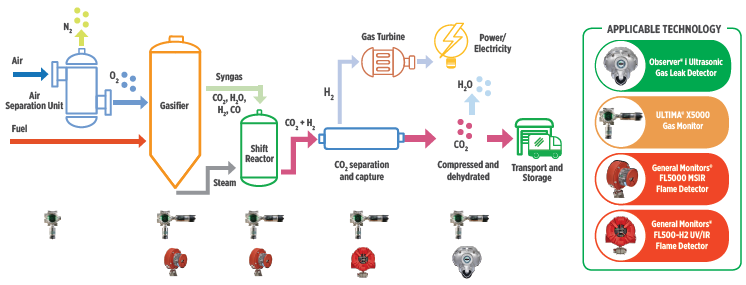
Figure 2. Pre-combustion capture process showing possible types of applicable gas and flame detectors. Image Credit: MSA - The Safety Company
Oxyfuel
Oxyfuel carbon capture involves burning fuels in a mixture of pure oxygen (O2) and regenerated flue gas. This produces flue gases primarily consisting of CO2 and water vapor.
CO2 is gathered and compressed for storage or usage. Hazards include increased fire and explosion risk in oxygen-rich environments, as well as possible asphyxiation from CO2 leaks. Effective gas leak and flame detection is critical to ensuring safe operation throughout the oxyfuel carbon capture process.
An ultrasonic gas leak detector, such as the Observer® i, can help identify gas leaks early in equipment such as gas turbines and compressors, as shown in Figure 3. Point-type gas detectors, such as the ULTIMA® X5000, can monitor CO2, combustible gases, and oxygen-deficient atmospheres.
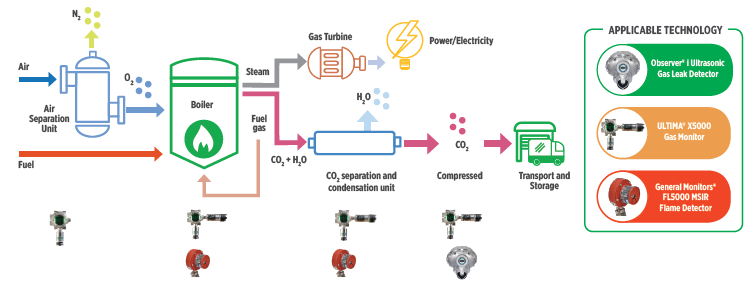
Figure 3. Oxyfuel capture process showing possible types of applicable gas and flame detectors. Image Credit: MSA - The Safety Company
Post-Combustion
Carbon capture, which removes CO2 from flue gas following fossil fuel combustion, is widely used in many industries, particularly natural gas processing. This carbon capture system removes CO2 from flue gas produced by burning fossil fuels.
The flue gas, primarily composed of water (H2O), nitrogen (N2), and CO2, is sent through an absorber tower. The solvent separates and collects CO2. The type of solvent utilized introduces a variety of dangers.
For example, using an ammonia-based solvent increases the risk of a non-hydrocarbon fire, which requires UV/IR flame detection technology developed for hydrogen. The absorber compresses and dehydrates pure CO2, which is then released for compression, transportation, storage, or use.
Although successful, this process produces large quantities of CO2, especially during collection, compression, and storage, which can pose an asphyxiation risk by displacing oxygen in confined or poorly ventilated environments. CO2 is odorless and colorless, making leaks hard to detect without specialized equipment.
Nitrogen (N2) can displace oxygen (O2) in restricted areas, creating oxygen-deficient atmospheres. Figure 4 shows different technologies that can be added into the process. Proper selection and placement of these technologies are crucial for managing risks and enhancing overall safety.
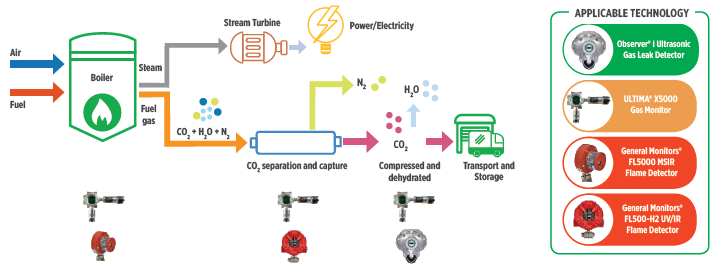
Figure 4. Post-combustion capture process showing possible types of applicable gas and flame detectors. Image Credit: MSA - The Safety Company
Direct Air Capture (DAC)
Direct Air Capture (DAC) technology captures CO2 directly from the surrounding air. DAC captures CO2 using chemical sorbents or filters, then heats or processes them to release concentrated CO2. Once CO2 is released, it is compressed for transportation, storage, or use.
High-pressure CO2 systems pose asphyxiation and confinement problems, especially in enclosed spaces. Well-engineered gas detection designs can support safe operation by enabling early detection of leaks and related hazards.
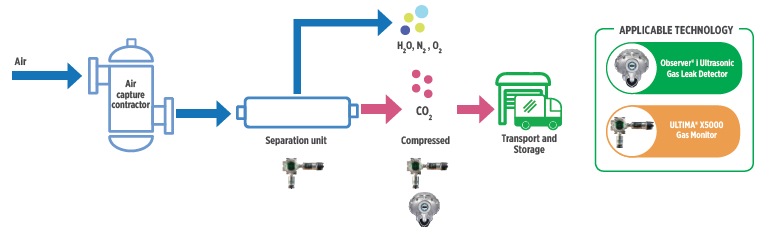
Figure 5. Direct Air capture process showing possible types of applicable gas and flame detectors. Image Credit: MSA - The Safety Company
Transportation
Once captured, compressed CO2 is transferred via pipelines or ships. Transporting CO2 presents unique issues because captured CO2 from various sources may contain trace gases, commonly known as contaminants, depending on the feedstock, carbon capture process, and solvents or absorbents used. The identified contaminants include the following:
- Non-condensable gases, such as O2, N2, Ar, H2, and CH4, can affect stream behavior and should be monitored.
- Toxic or corrosive contaminants, such as CO, NOx, SO2, and H2S, must be monitored or detected based on their concentration and processing route. (Standards may refer to "SOx"; nonetheless, detection pertains to SO2).
- H2O is a condensable species that can cause corrosion and hydrate management issues.
ISO 279211 specifies that such impurities fluctuate with the capture process and may affect safety, corrosion, and environmental risk. Fixed gas detection is most important for toxic and flammable impurity gas leak detection, such as H2S, CO, CH4, SO2, NOx (NO/NO2), and H2. Others require monitoring through process analysis and control.
ISO 27921 identifies NO2 and H2S as key contaminants causing acute toxicity in release scenarios.
These impurities may affect transportation structures or assets because of their corrosiveness, toxicity, and interactions with materials. This can cause material rupture and loss of CO2 confinement.
ISO 279132 addresses leak detection and fugitive emissions, and vent facilities must be built and positioned so that leaks do not pose unacceptable risks. Continuous CO₂ monitoring at vent stacks, block-valve stations, and compressor stations can be achieved using fixed point and open-path gas detection technologies.
ISO 27913, at custody-transfer locations, mandates sampling, composition analysis, and mass flow measurement. Place fixed CO2 detectors on sampling skids and inline inspection (ILI) launcher/receiver traps to monitor leaks during depressurization and sampling.
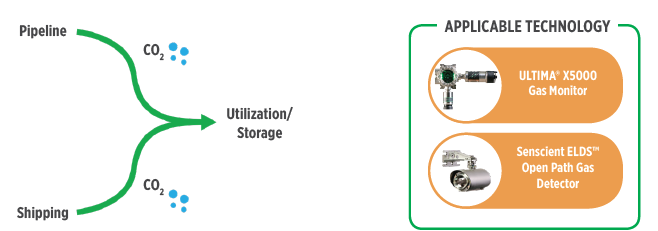
Figure 6. Transportation stage with possible locations of gas and flame detectors. Image Credit: MSA - The Safety Company
Carbon Utilization
Carbon dioxide (CO2) is used in industries like EOR, EGR, industrial gases, and construction materials.
EOR or EGR involves injecting collected CO2 into oil or gas reservoirs to increase production recovery. CO2 is utilized in several industrial gas applications, including food processing, welding, and beverage carbonation.
CO2 is utilized in building materials to enhance strength and durability, including concrete. Although these applications provide environmental and commercial benefits, operating high-pressure CO2 systems presents additional safety challenges.
ISO 27913 provides standards for vent and block-valve station design in EOR applications, including pipelines that deliver CO2 to remote locations. It also suggests automated leak detection.
Fixed CO2 detection at stations, as well as recycle and compression facilities, adds a layer of control at critical interfaces. In addition, ISO 279163 specifies the project boundary to include on-site losses from wells, manifolds, compressors, and separation plants.
It also requires operators to determine potential leakage paths and incorporate monitoring technology and detection criteria into their operations plans. Some of the suggested detection strategies include (but are not limited to):
- Recycling and Separation Systems:
Ultrasonic gas leak detection at compressors and recycle headers; point and open-path CO2 detection across separators and dehydrators; and flame detection in hydrocarbon service areas.
- Wellheads and Manifolds:
Monitoring for CO2 and O2 deficit in cellars, open-path CO2 throughout corridors, and detection of H2S and CH4 in streams.
Alarm settings in all applications must meet the EOR operations plan, quantification, and/or reporting requirements.
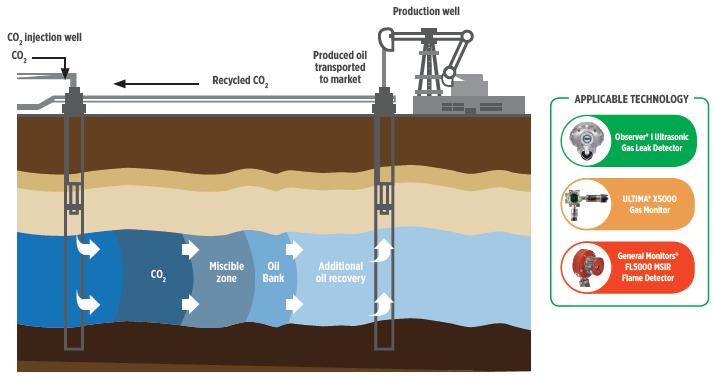
Figure 7. CO2 utilization in EOR applications and applicable gas and flame detectors. Image Credit: MSA - The Safety Company
Leaks at injection locations pose health and environmental risks, while storage tank failures can cause unexpected releases in inhabited areas.
To manage these risks, safety systems use a combination of open-path gas detectors for wide-area monitoring, point gas detectors for precise detection, and flame detectors in areas where flammable gases may be present.
These technologies help identify hazards early, respond quickly, and ensure safe, continuous operation in CO2 consumption operations.
Carbon Storage
Geological storage involves injecting captured CO2 into deep subterranean formations, such as saline aquifers or depleted oil and gas reserves.
These installations provide long-term containment, but operators should carefully monitor their integrity to avoid unintentional leaks. Seal degradation, device malfunction, and subsurface ruptures are all potential threats.
Layered monitoring approaches, including point, open-path, and ultrasonic gas detection, can help detect leaks or abnormal conditions early, improving operating safety and protecting the environment.
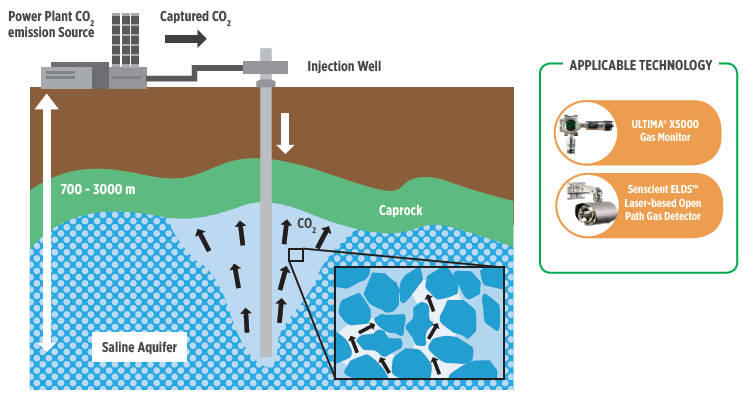
Figure 8. Storage stage with possible types of gas and flame detectors. Technology supports ISO 27914 monitoring objectives for containment and conformance, with open-path and point CO2 detection for near-surface assurance. Image Credit: MSA - The Safety Company
Monitoring, Measurement and Verification (MMV) Requirements
ISO 279144 is an international standard that outlines rules and standards for safe geological storage of CO2 in CCS/CCUS installations.
It describes the requirements for a risk-based Monitoring, Measurement, and Verification (MMV) program, with an emphasis on regions with a higher risk of leaks or failure. Some of the flame and gas design concerns for CCUS storage applications are:
- For well pads and manifolds:
- Ultrasonic gas leak detection on high-pressure injection skids and pipe racks can help enable quick recognition of pressurized leaks.
- Install gas detectors at valves, chokes, and seals to monitor CO2 and O2 deficit in enclosed shelters.
- Install open-path CO2 gas detectors around pad perimeters and terrain-driven pooling lines.
- For buildings and process units (compressor/dehydration):
- Use point gas detectors to detect oxygen deprivation and CO2 in low locations and HVAC returns.
- Detects hydrocarbon-related flames.
- For perimeter and low terrain/public interfaces:
- Open-path CO2 gas detector detects pooling and provides early warning.
- For well cellars and integrity tie-ins:
- Install CO2 and O2-deficiency detectors near wellheads and in cellars. Integrate alarms and event logs into the safety control system to maintain compliance records.
Key Flame and Gas System Technologies
Source: MSA - The Safety Company
| Layers of Protection |
Detection Technology |
| Gas Leak Detection |
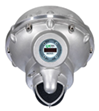
Observer® i Ultrasonic Gas Leak Detector |
 |
Ultrasonic Gas Leak Detector
Ultrasonic gas leak detection (UGLD) instantly detects pressurized gas leaks at the speed of sound. The ANN (Artificial Neural Network) technology distinguishes gas leaks from other background noises. This ultrasonic gas leak detection technology is highly suitable, especially when dealing with high-pressure equipment such as compressors. |
| Gas Detection |
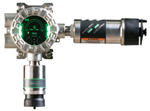
ULTIMA® X5000 Gas
Monitor |
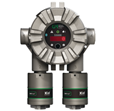
General Monitors® S5000 Gas Monitor |
 |
 |
Point-Type Gas Detector
Point-type detectors monitor oxygen deficiency, toxic gases, and combustible gases. The dual sensor feature offers a combination of two sensor technologies, such as infrared (IR), electrochemical, and catalytic technologies. CO2, CH4, and other hydrocarbons are detected using an infrared (IR) sensor. O2, H2S, SO2, and other toxic gases are detected using an electrochemical sensor. Flammable gases, like H2, are detected using a catalytic sensor. |
Senscient ELDS™
Laser-based Open Path Gas Detector |
General Monitors® IR5500
Infrared Open Path Gas Detector |
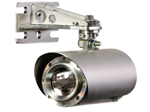 |
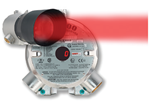 |
Open Path Gas Detector
Open-path gas detection (OPGD) provides a fast response to large gas clouds outdoors or in large open spaces such as carbon storage area. NDIR OPGD technology can be used for hydrocarbon gas cloud detection, while laser-based OPGD technology can be used for target-gas specific detection of combustible and toxic gases such as CO2, CH4, and H2S. |
| Fire Detection |
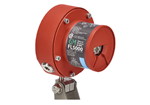
General Monitors® FL5000
MSIR Flame Detector |
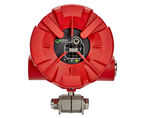
General Monitors® FL500/FL500-H2
UV/IR Flame Detector |
 |
 |
Multi-Spectrum Infrared (MSIR) Flame Detector
An optical flame detector to provide hydrocarbon flame detection before the fire spreads across various CCUS processes. The built-in advanced ANN provides high immunity to false alarms, such as blackbody radiation. In addition, multi-spectrum IR sensors allow greater detection distance than other flame detector technologies, helping to improve flame detection coverage. |
Ultraviolet/Infrared (UV/IR) Flame Detector
The combination of UV/IR technology in flame detectors allows for flame detection in both indoor and outdoor environments for CCUS processes. This technology provides a fast flame-detection response time for hydrocarbon and non-hydrocarbon fires, with increased false-alarm immunity against radiation sources and a wider field of view. |
| System Technology |
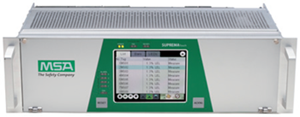
SUPREMA® Touch Controller
Fire and Gas Detection System |
 |
Fire and Gas Controller
A fire and gas controller provides the central function of the safety system. It receives input from a wide range of flame and gas detectors for any fire and gas hazard risks and then takes the necessary safety actions based on the pre-defined cause-and-effect logic. This system delivers enhanced logic capabilities comparable to many programmable logic controllers (PLCs), supporting greater flexibility and efficiency in system design. |
Conclusion
Carbon Capture, Utilization, and Storage (CCUS) and Carbon Capture and Storage (CCS) technologies can significantly contribute to global efforts to cut greenhouse gas emissions and move closer to net-zero targets.
Because these facilities involve high-pressure systems, solvents, and other process chemicals, they require comprehensive safety analysis and an integrated risk management strategy.
Effective facility design should consider all credible threats, such as hazardous gas leaks, fires, and explosions.
Using a mix of gas and flame detection technologies, such as point-type and open-path sensors, ultrasonic gas leak detectors, and flame detectors, can improve situational awareness and enable faster responses to abnormal situations.
A diversified detection strategy, combined with strong engineering controls and preventative maintenance practices, promotes safe operation and protects personnel, equipment, and the environment throughout the CCUS and CCS processes.
References
- ISO. (2020). ISO/TR 27921:2020. Carbon dioxide capture, transportation and geological storage – Cross cutting issues – Cross Cutting Issues - CO2 stream composition. Available at: https://www.iso.org/standard/67273.html.
- ISO. ISO 27913:2024. Carbon dioxide capture, transportation and geological storage – Pipeline transportation systems. Available at: https://www.iso.org/obp/ui/en/#iso:std:iso:27913:ed-2:v2:en.
- ISO. ISO 27916:2019. Carbon dioxide capture, transportation and geological storage – Carbon dioxide storage using enhanced oil recovery (CO2-EOR). Available at: https://www.iso.org/standard/65937.html.
- ISO. ISO 27914:2017. Carbon dioxide capture, transportation and geological storage – Geological storage. Available at: https://www.iso.org/standard/64148.html.
MSA: The Safety Company
MSA Safety Incorporated (NYSE: MSA), founded in 1914, is the global leader in the invention, manufacture, and distribution of safety solutions that safeguard people and facility infrastructures. Many MSA products use a combination of electronics, mechanical systems, and sophisticated materials to safeguard consumers from dangerous or life-threatening circumstances.
Workers worldwide use the company's extensive product line in a variety of areas, including the oil, gas, and petrochemical industries, the fire service, construction, mining, and the military.
MSA's main product lines include fixed gas and flame detection systems, self-contained breathing apparatus, portable gas detection instruments, industrial head protection products, fire and rescue helmets, and fall protection devices.

This information has been sourced, reviewed and adapted from materials provided by MSA - The Safety Company.
For more information on this source, please visit MSA - The Safety Company.