Microplastic (MP) pollution in wastewater has become a primary focus of environmental monitoring. Wastewater treatment plants serve as key retention barriers and potential channels for MP release into aquatic habitats. Accurate characterization of microplastics is therefore critical for assessing treatment efficacy, regulatory compliance, and environmental risk.
Wastewater samples pose major analytical issues due to the abundance of non-polymer particles (e.g., organic matter, cellulose, and mineral debris) that can resemble microplastics in shape, size, or spectral properties.
As a result, routine analysis requires an analytical solution that combines accurate polymer identification in complex sample matrices with the throughput needed for high-volume monitoring.
This article explains how LUMOS II ILIM, along with the ParticlePlus™ methodology, enables automatic, full-filter analysis of a wastewater influent sample in 25 minutes.
Experimental
The ParticlePlus™ procedure is intended for IR laser imaging (ILIM) microscopes. For this study, the researchers used the following configuration.
- Sample Details: The sample was taken from the influent stream of a wastewater treatment plant in Spain. A one-liter sample was treated with Fenton digestion to remove organic materials before filtering through a 10 µm stainless steel filter. In complicated wastewater matrices, partial pore blockage and filter cake development may retain smaller particles. The retained particles were washed with ultra-pure water and transferred to an Anodisc membrane filter.
- Measurement Setup: Automated whole-filter imaging was performed with the LUMOS II ILIM in transmission mode and ParticlePlus™ software workflow. The laser wavelength was set with a spectral step size of 4 cm-1 spanning the MIR fingerprint range of 1800 to 1250 cm-1.
- Data Analysis Tool: Bruker's Microplastic Identifier (MPID) automatically processes and analyzes hyperspectral data without human input. The identification threshold value was set at 750. Product Note M210 provides more information on MPID.
Results
Figure 1A shows the integrated infrared picture (1800 to 1250 cm-1) of the whole 25 mm Anodisc filter, revealing the heterogeneous wastewater matrix. The filter comprises a complex mixture of organic residues, cellulose fibers, and mineral particles of various sizes and shapes.
Thus, impartial chemical imaging of the entire filter, as opposed to particle selection, offers statistically representative coverage, and enhanced data analysis identifies and characterizes microplastics within the complex sample matrix. Figure 1B summarizes the results.
The entire 25 mm filter was scanned in 13 minutes, yielding 22.5 million infrared spectra. Within 12 minutes of acquisition, the dataset was automatically processed using MPID.
The overall turnaround time was 25 minutes. MPID conducts fully automated microplastic analysis using machine learning (ML) models for unsupervised particle detection, identification, classification, and extraction of particle-specific data, such as size, shape, and spatial distribution.
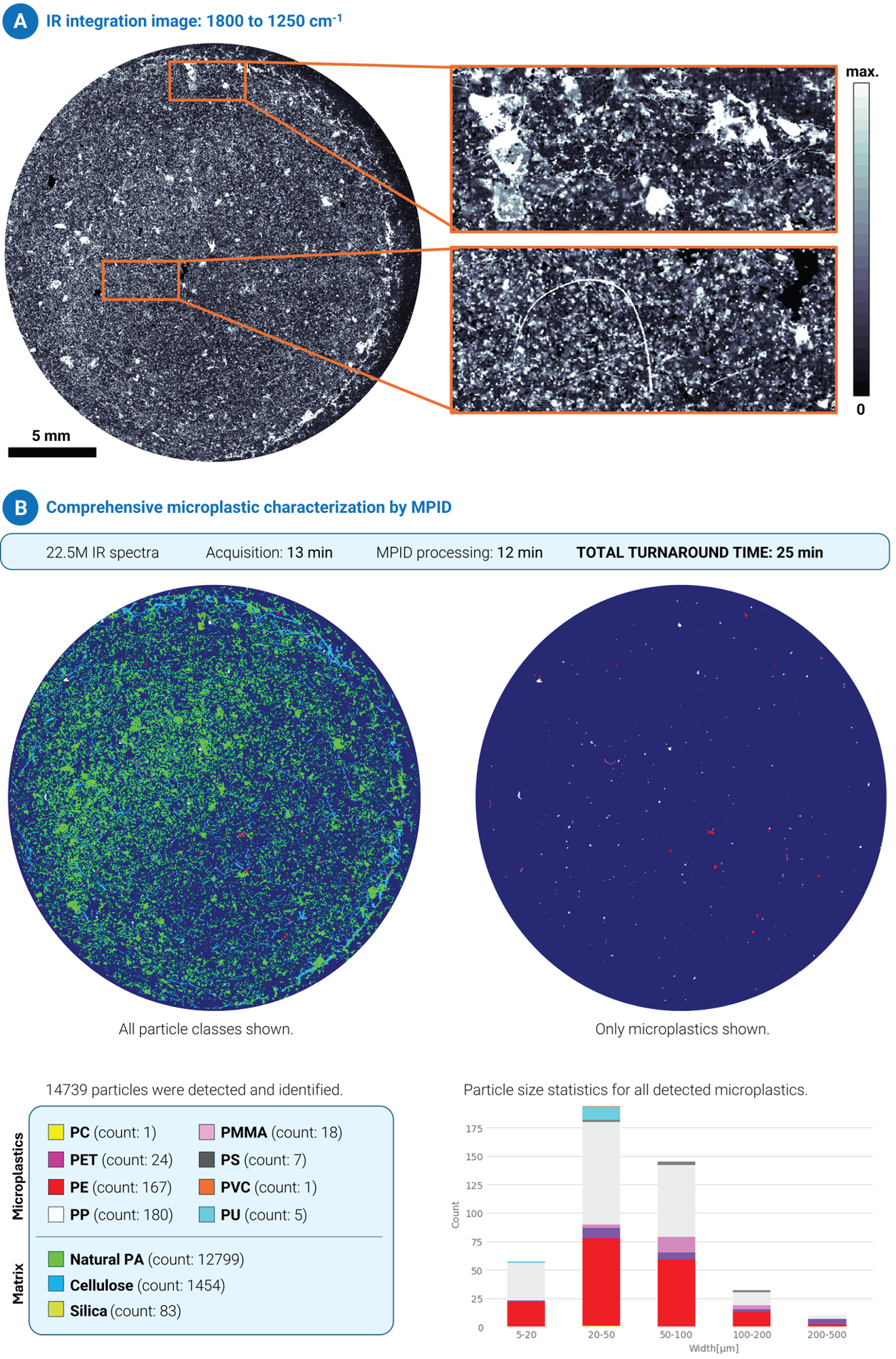
Figure 1. Comprehensive results summary for the wastewater sample. Image Credit: Bruker Optics
A total of 14,739 particles were discovered and classified, including 403 MPs from eight distinct polymer groups.
Polypropylene (PP) is the most abundant polymer, accounting for 180 particles (45% of all detected MPs), followed by polyethylene (PE, 167), polyethylene terephthalate (PET, 24), polymethyl methacrylate (PMMA, 18), polystyrene (PS, 7), polyurethane (PU, 5), polycarbonate (PC, 1), and polyvinyl chloride (PVC, 1).
Based on the analyzed one-liter aliquot, the sample had a concentration of 403 MPs per liter. The generated classification maps provide a detailed overview of the spatial distribution and morphology of the MPs observed throughout the filter.
To improve MP visualization and interpretation, certain compound classes, such as the surrounding organic matrix, can be selectively suppressed. The MP particle sizes varied from 5 to 490 µm, with 48% falling between 20 and 50 µm.
This size distribution is consistent with the commonly reported size range for environmental microplastics in wastewater, demonstrating the ability to characterize particles across a wide size range.
MPID's excellent spatial resolution and specificity enable precise detection of single particles, even in complex sample matrices.
Figure 2A shows that representative PE, PP, and PET particles are clearly resolved despite being in intimate contact with organic residues and cellulose fibers.
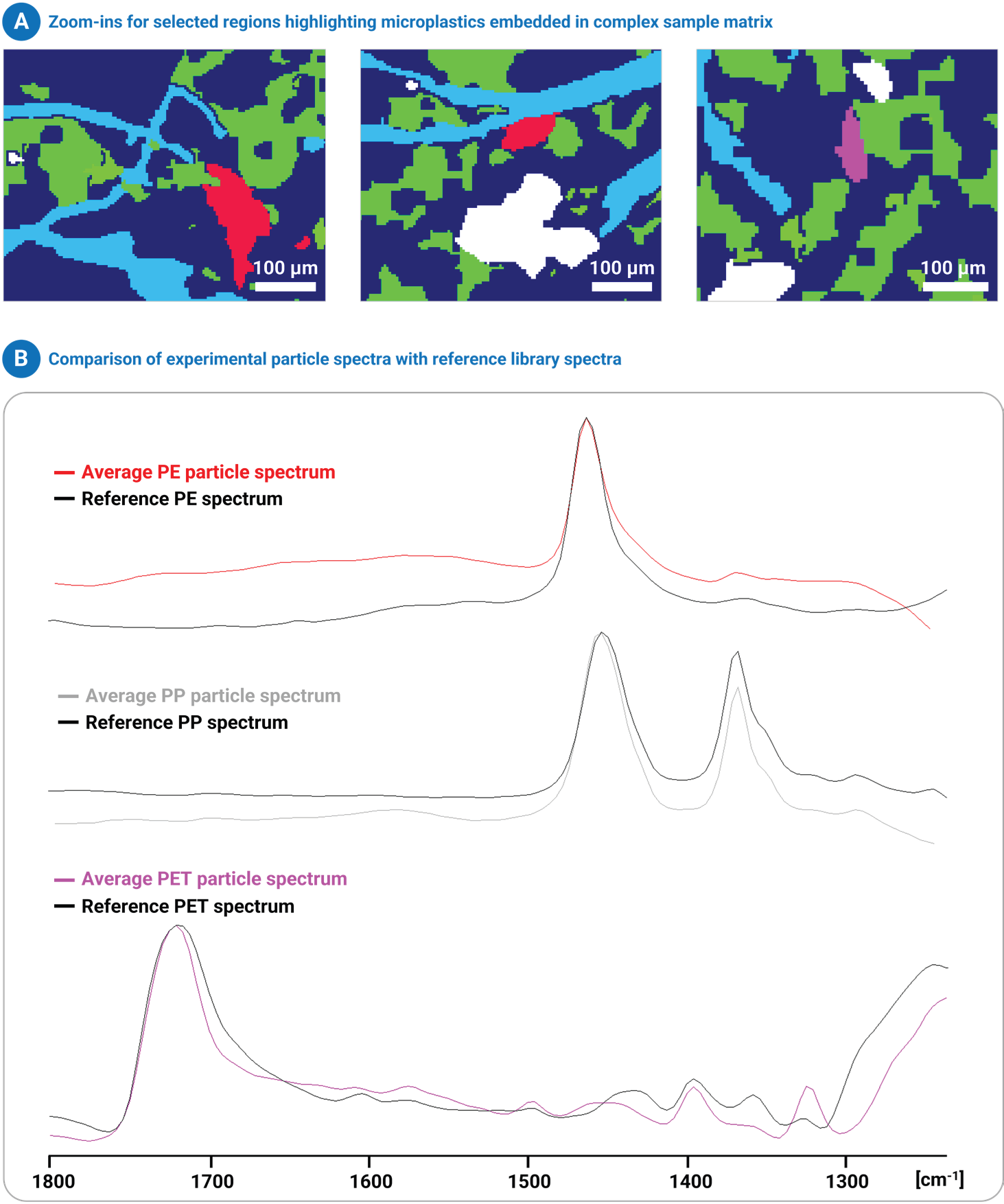
Figure 2. Detailed characterization for PE, PP, and PET in the complex sample matrix. Image Credit: Bruker Optics
The accuracy of polymer identification is further evaluated by comparing the mean spectra generated from the highlighted PE, PP, and PET particles to the respective reference spectra from the library (Figure 2B).
The good spectral agreement validates the AI-driven identification and indicates MP identification reliability in complicated sample matrices such as wastewater.
Conclusion
- The total turnaround time of <30 min per 25 mm filter allows for high-throughput, regular evaluation of wastewater samples.
- Full-filter imaging ensures impartial and statistically representative microplastic analysis without particle selection.
- Automatic data collection and AI-driven particle categorization reduce operator dependence while maintaining the spatial resolution and chemical specificity needed to identify MPs in complicated wastewater mixtures.
- Simultaneous determination of polymer type, particle size, morphology, and spatial distribution enables thorough characterization of each particle.
The Fastest IR Microscope Ever Built: LUMOS II ILIM
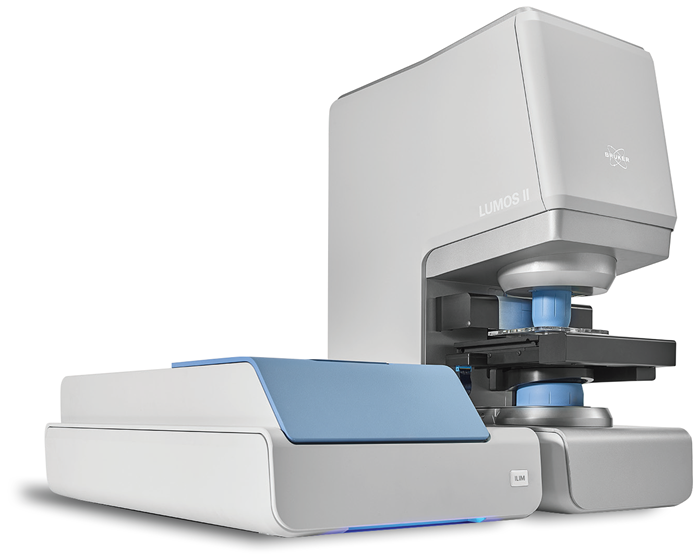
Image Credit: Bruker Optics
References and Further Reading
- Chen, X., et al. (2025). Spatiotemporal distribution characteristics and removal efficiency of microplastics in a wastewater treatment plant. Water, 17(17), p.2614. DOI:10.3390/w17172614. https://www.mdpi.com/2073-4441/17/17/2614.
- Lv, J., et al. (2025). Distribution characteristics of microplastics in wastewater treatment plants in mega cities–the case study of Chengdu City. Scientific Reports, 15(1). DOI:10.1038/s41598-025-17146-3. https://www.nature.com/articles/s41598-025-17146-3.
- Uoginte, I., et al. (2022). Seasonal variation and complex analysis of microplastic distribution in different WWTP treatment stages in Lithuania. Environmental Monitoring and Assessment, 194(11). DOI:10.1007/s10661-022-10478-x. https://link.springer.com/article/10.1007/s10661-022-10478-x,
Acknowledgments
Produced using materials originally authored by Domenic Dreisbach (PhD), Product Manager, Bruker Optics GmbH & Co. KG, Ettlingen.

This information has been sourced, reviewed and adapted from materials provided by Bruker Optics.
For more information on this source, please visit Bruker Optics.