As ISI’s NOTUS gas Raman system enters its final testing stages, recent measurements highlight the analytical capabilities of gas Raman spectroscopy for rapid gas identification.
One of the main advantages of Raman spectroscopy is its ability to detect multiple gas species quickly. It achieves this without needing consumables or complicated sample preparation. Consequently, the technique is ideal for situations where quick and dependable gas analysis is crucial.
Clear Spectral Identification of Multiple Gas Species
The spectra displayed below demonstrate measurements of eight different gases using the NOTUS gas Raman instrument. All spectra were acquired on the same day.
Each gas produces a unique Raman spectral signature. This enables clear identification of individual species within a measurement. Even when multiple gases are present, Raman spectroscopy can differentiate between molecular species using their distinct vibrational fingerprints.
Measurement Conditions and Instrument Performance
In all these measurements, clear spectral signals were obtained using a one-second integration time. Target gases at a concentration of 1000 ppm and at a pressure of 40 bar.
This demonstrates both the system’s speed and sensitivity.
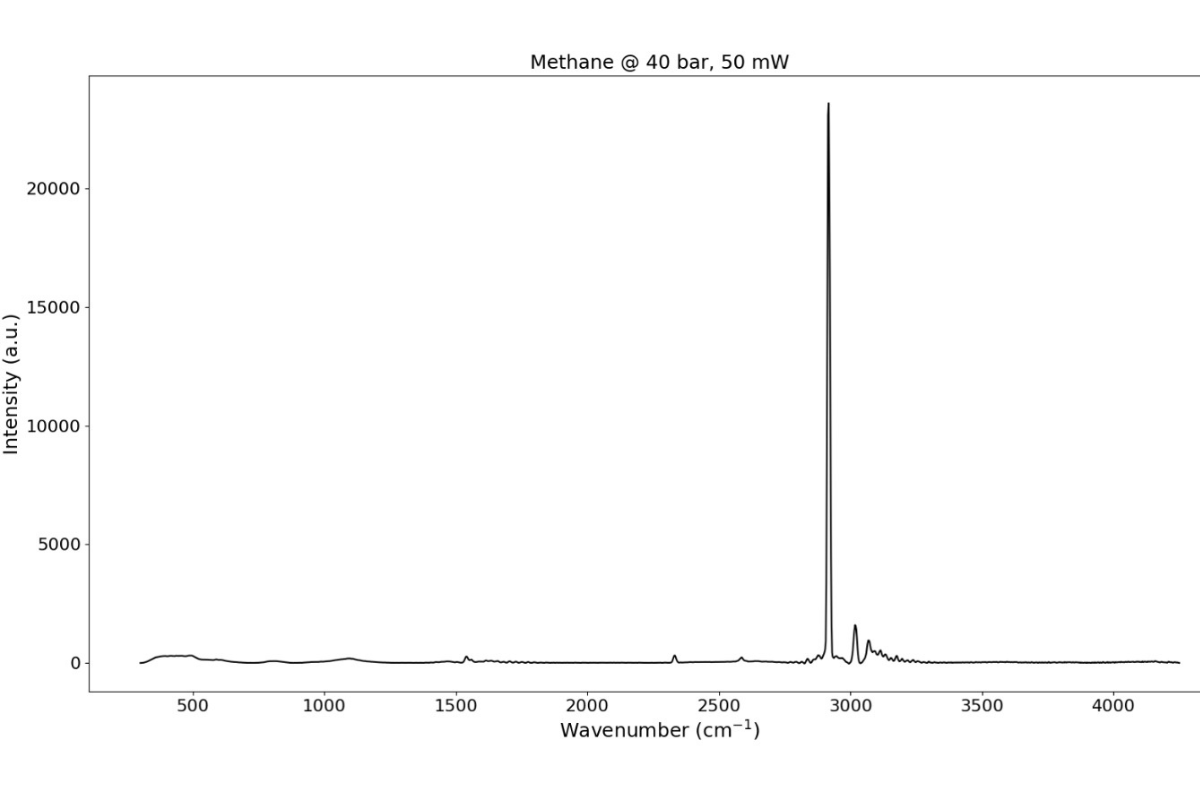
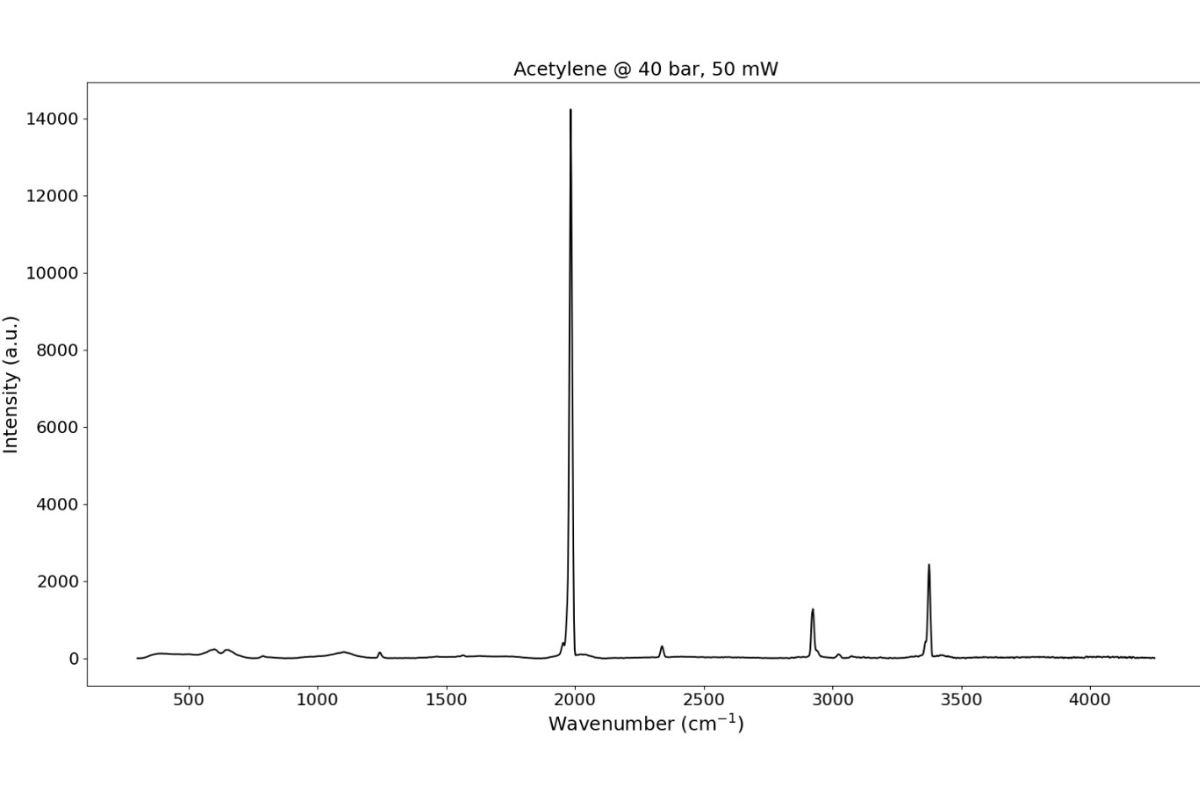
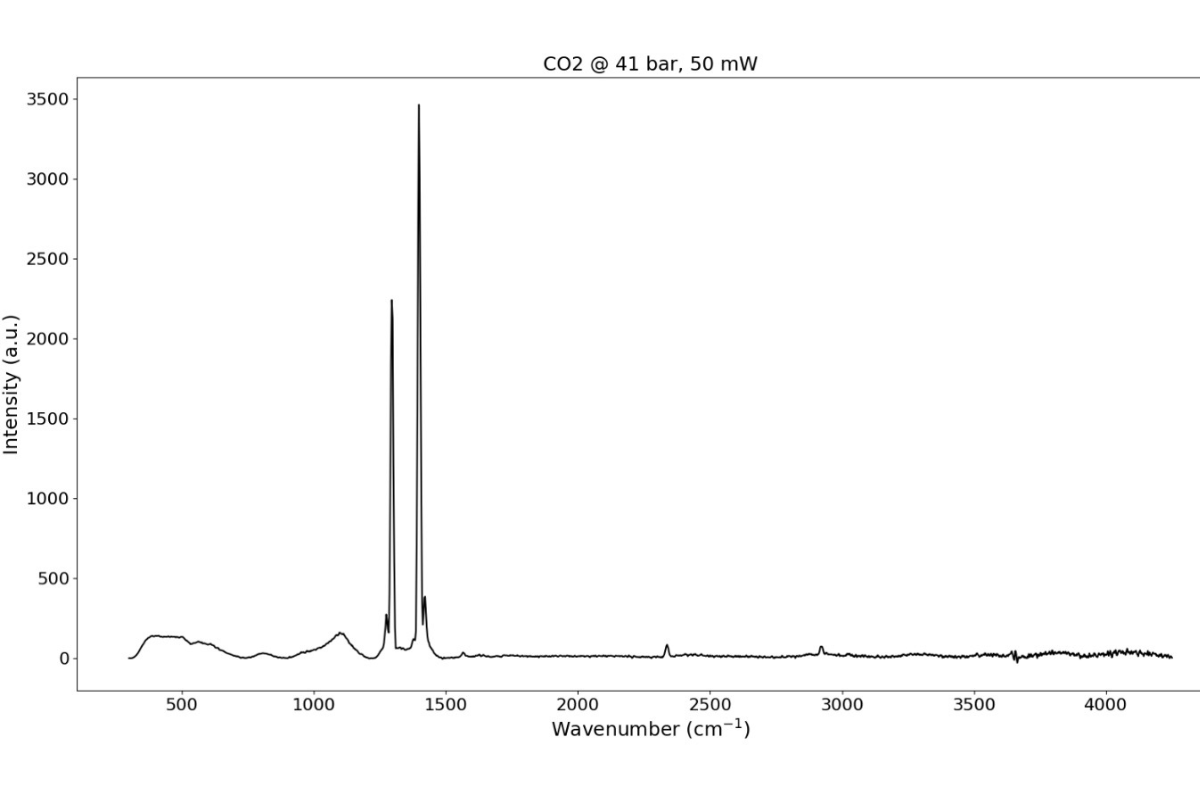
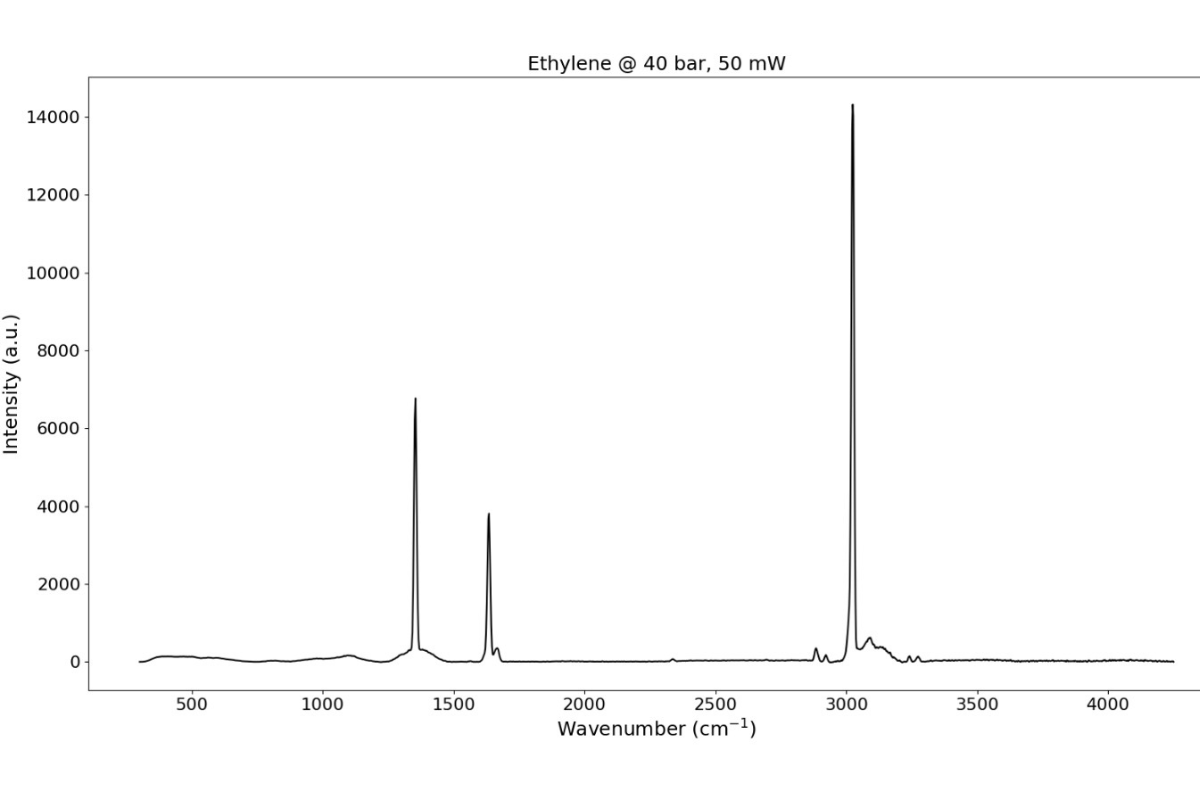
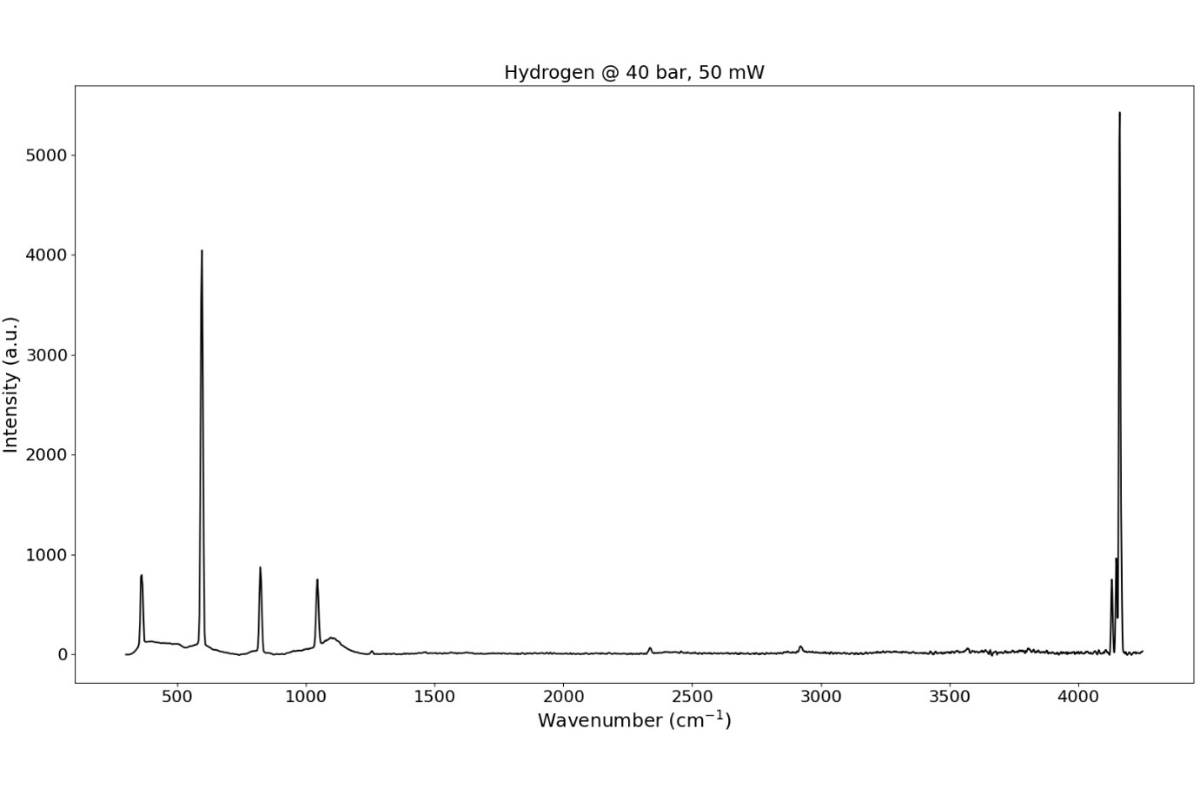
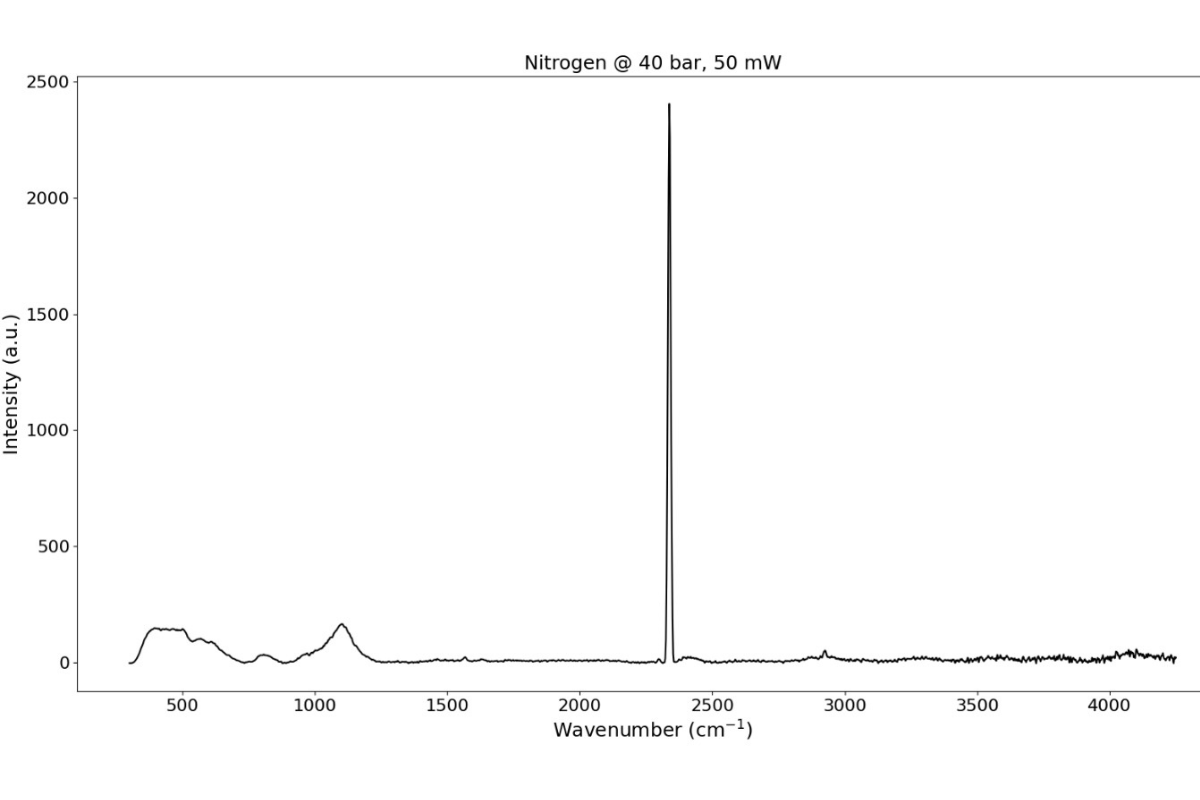
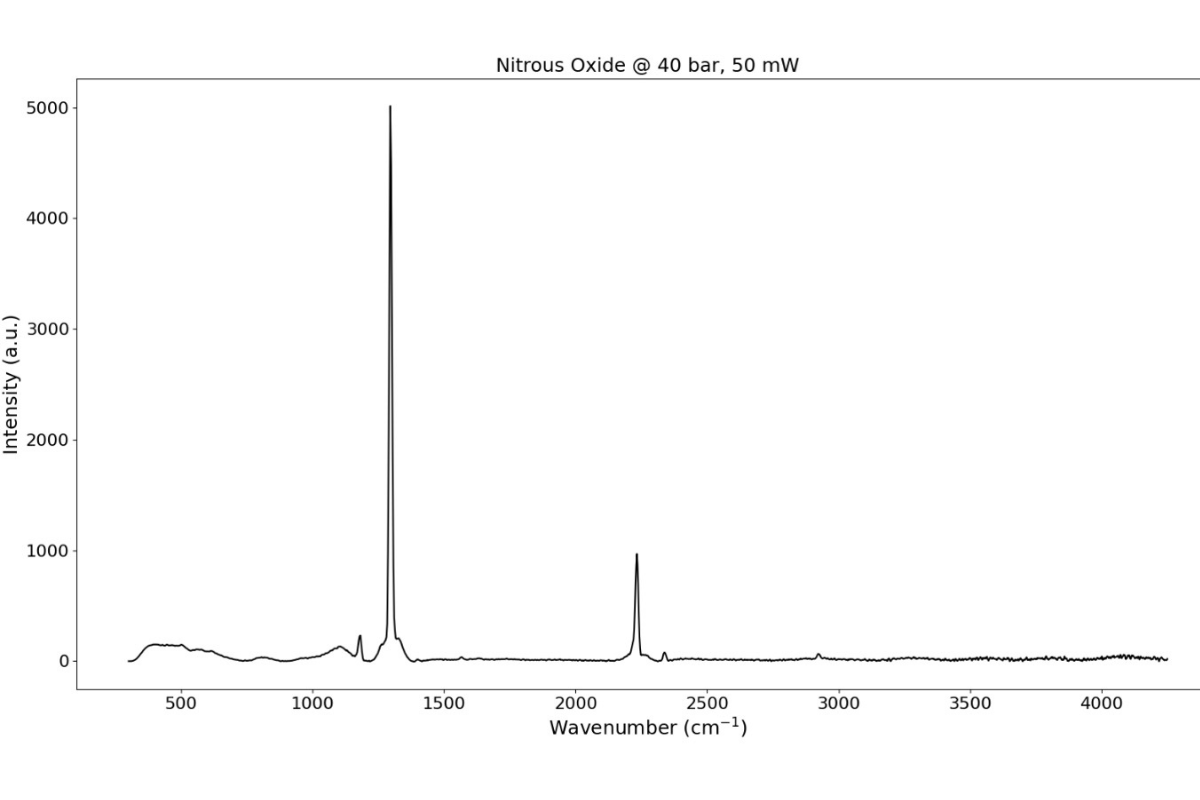
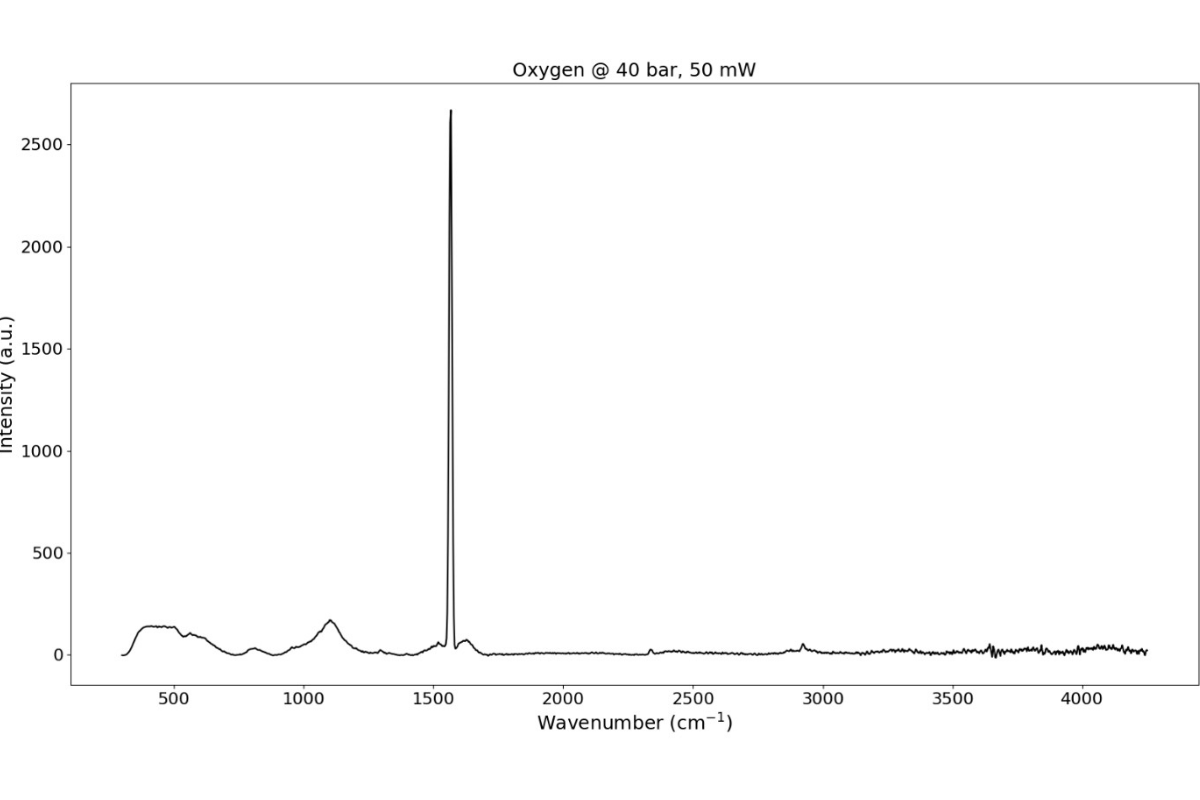
Image Credit: IS-Instruments
Advantages of Notus Gas Raman System Compared to Other Gas Analysis Methods
Traditional gas analysis methods often rely on techniques that target individual gases. Many also require consumables or regular calibration. In contrast, Raman spectroscopy provides a flexible and non-destructive approach to gas analysis. Raman measurements capture the spectral fingerprints of molecules directly. Therefore, a single instrument can detect multiple gases simultaneously. This removes the need for specialised sensors for each species. As a result, system design becomes simpler, and operators can monitor complex gas mixtures in real time.
Raman spectroscopy also enables quick analysis of gases. Importantly, this can be achieved without sample preparation. As a result, the technique is ideal for applications that require rapid response and high operational reliability.
Flexible Gas Monitoring for Advanced Applications
Raman spectroscopy is especially useful in settings where precise gas monitoring is essential. Possible applications include:
- Fusion fuel cycle monitoring
- Industrial gas handling and verification
- Semiconductor manufacturing processes
- Chemical and speciality gas production
Dr Michael Foster said, “These measurements only scratch the surface of what the ISI approach can achieve. By capturing the spectral fingerprints of multiple gases rapidly, a single instrument can deliver an extraordinary level of analytical flexibility.”
As development of the ISI NOTUS platform continues, these early measurements highlight the potential of Raman spectroscopy to deliver fast, flexible and highly reliable gas analysis with a single instrument.