Board-level electrical insulators are central to preventing short circuits, safeguarding components, and ensuring long-term dependability in electronic assemblies.
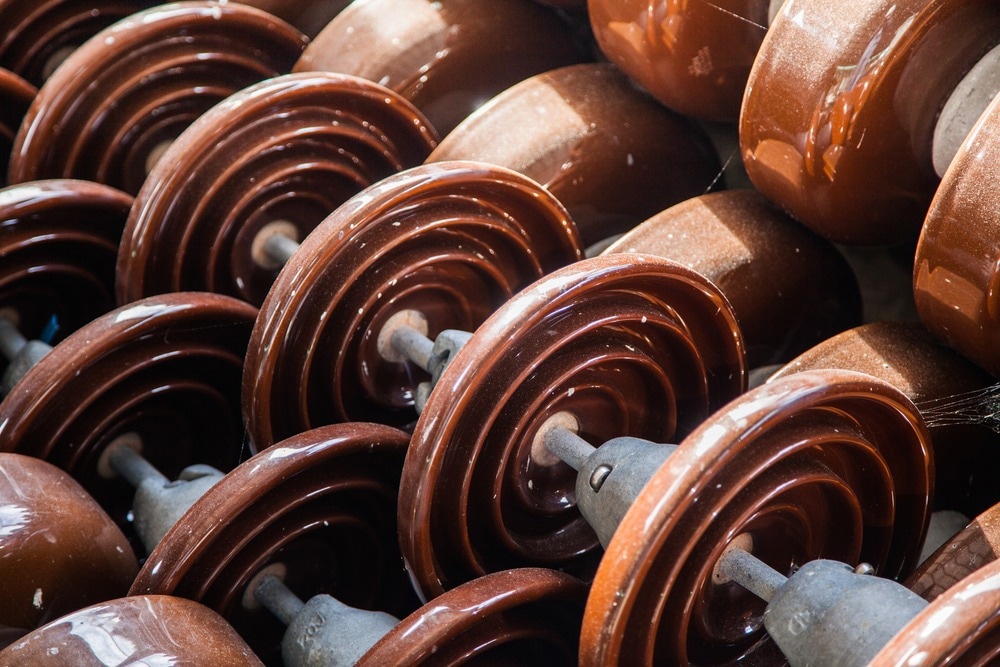
Image Credit: Thayut Sutheeravut/Shutterstock.com
Designing effective insulation relies on three interrelated parameters: clearance, creepage, and dielectric strength. Understanding these factors is crucial for engineering high-voltage or high-reliability electronics.
This article explores the meaning of each term, its significance, and how to integrate these principles into printed circuit board (PCB) and component design.
By mastering these parameters, engineers can reduce arcing, prevent dielectric breakdown, and create safer, more reliable systems.
Clearance: Adequate Air Gaps for Safety
Definition – Electrical Clearance
Clearance is the shortest distance through air between two conductive elements at different electrical potentials. A rise in voltage differences, combined with insufficient air gaps, can cause the electric field to ionize the air, leading to an arc or flashover.
This phenomenon leads to the dielectric breakdown of air, potentially resulting in catastrophic circuit failure.
Standards and Guidelines
International standards, including IPC-2221, IEC 60950-1, and IEC 60664-1, specify minimum clearance distances based on factors such as altitude, pollution level, and working voltage.
Since higher altitudes or humidity levels reduce the dielectric strength of air, larger gaps are required to prevent arcing. Adhering to these standards ensures compliance and safety, especially in high-voltage or mission-critical systems.
Design Considerations
During PCB layout, a clear, unobstructed air gap should be maintained between high-voltage conductors to ensure a clear line of sight. Sharp edges that can intensify electric fields and lower effective breakdown voltage should be avoided.
Strong designs often exceed minimum clearance requirements by 20-30 % to accommodate environmental fluctuations and long-term wear. Protective coatings can further prevent the accumulation of dust or moisture that would otherwise reduce effective clearance.
Creepage: Surface Distance to Prevent Tracking
Definition – Creepage Distance
Creepage describes the shortest distance between two conductive components along the surface of an insulating material. While clearance concerns air, creepage deals with surfaces.
Contaminants, including dust and moisture, can create conductive films on insulators, potentially causing leakage paths, surface tracking, or flashover.
Influencing Factors
Required creepage distances depend on the Comparative Tracking Index (CTI) of the insulating material and the degree of environmental pollution.
Materials with increased CTI ratings offer better resistance to surface tracking and, therefore, require shorter creepage distances.
On the other hand, longer creepage paths are necessary in low-CTI materials and contaminated environments to maintain safety.
Design Methods to Increase Creepage
Extending creepage in dense electronics without enlarging the board is a design challenge. Common approaches to this challenge include adding slots, grooves, or barriers that extend the leakage path length.
Milling slots beneath high-voltage components or incorporating raised insulating ribs are both effective methods. Insulating boots or housings can also increase surface distance and help compact assemblies meet strict regulatory criteria.
Dielectric Strength of Insulator Materials
Definition – Dielectric Strength
Dielectric strength refers to the maximum voltage a material can endure per unit thickness before electrical failure. It represents the highest electric field intensity a material can withstand without becoming conductive and is usually expressed in kilovolts per millimeter (kV/mm).
Importance of Material Selection
Selecting materials with suitable dielectric strength is crucial for ensuring reliable insulation. For instance, a plastic with a dielectric strength of 20 kV/mm could, theoretically, withstand 20 kV across a 1 mm layer.
In practice, engineers apply large safety margins to account for surges and aging. Common materials include Kapton (polyimide film), Nomex, black aluminum foil, and ceramics. Each material provides a distinct balance of dielectric performance, versatility, and thermal tolerance.
Trade-offs and Considerations
High dielectric strength frequently introduces mechanical or thermal compromises. Ceramics endure elevated voltage and temperature but are brittle, while plastics provide flexibility but have reduced heat resistance. The insulator thickness must balance voltage rating and mechanical constraints.
Custom-cut insulating components allow material, thickness, and geometry to be tailored to meet both clearance and creepage standards. Instant online quoting enables rapid comparison of options (e.g., 0.5 mm Nomex vs. 1 mm FR-4) and fast iteration during design.
Designing for Reliability and Standards Compliance
Safety Standards (IEC, UL)
Key standards such as IEC 60664-1 and UL 61010 define criteria for clearance, creepage, and dielectric testing. Safety-critical or high-voltage products must pass dielectric withstand (hi-pot) tests to confirm insulation integrity.
Exceeding minimum creepage and clearance distances enhances safety margins and durability over the product's lifespan.
Environmental Factors
During design, factors such as altitude, humidity, contamination, and the use of coatings must be considered. At elevated altitudes, thinner air reduces dielectric strength, requiring larger clearances. In humid or polluted settings, longer creepage paths are necessary. Conformal coatings can sometimes reduce minimum clearance by enhancing surface insulation, as permitted by some standards.
Looking for Board-Level Electrical Insulators?
Designing dependable board-level electrical insulators requires carefully balancing clearance, creepage, and dielectric strength. By understanding these principles, engineers can prevent arcing, ensure compliance, and improve product lifespan.
Voltage levels, environmental factors, and material characteristics should always be evaluated early in the design process.
Materials Direct provides precision-cut insulating components with Instant Online Pricing and 24-hour Manufacturing for Custom Electrical Insulators. Whether the application involves prototyping a power supply or developing a medical device, rapid-turn manufacturing allows engineers to evaluate multiple insulation configurations in days, rather than weeks.

This information has been sourced, reviewed, and adapted from materials provided by Materials Direct.
For more information on this source, please visit Materials Direct.