In this interview, industry expert Megan Hartford discusses the growing need for protective robot covers and explains how thoughtful material design supports reliable operation across increasingly diverse and demanding industrial environments.
Can you explain the trends you are seeing in how robots are being used across industrial environments, and why has protection become so important?
Robots are being deployed in an increasingly diverse range of environments. Many people picture large robots operating in extremely harsh conditions, and those certainly exist, but we now see automation expanding into settings with more moderate temperatures where dust, debris, moisture, or airborne particulates are still present. Regardless of the environment, every robot represents a significant investment, and protecting that investment is essential for operational reliability. Even in places such as automotive production lines, material handling operations, or facilities working with hazardous materials, robots need the right level of protection to prevent downtime and maintain consistent performance. As adoption grows across new industries, the need for effective, application-specific covers has become more critical than ever.
What types of protection do robots typically require, and what environmental challenges do they face?
Robots encounter challenges that range from extreme heat and chemical exposure to liquid debris, abrasive particulate, and general mechanical wear. In both harsh and ambient environments, these factors can damage robotic systems or shorten the lifespan of key components. As the complexity and sophistication of automation increase, ensuring that robots can operate without interruption becomes mission-critical. Protective covers help keep contaminants away from joints, wiring, and sensitive attachments, safeguarding both performance and uptime.
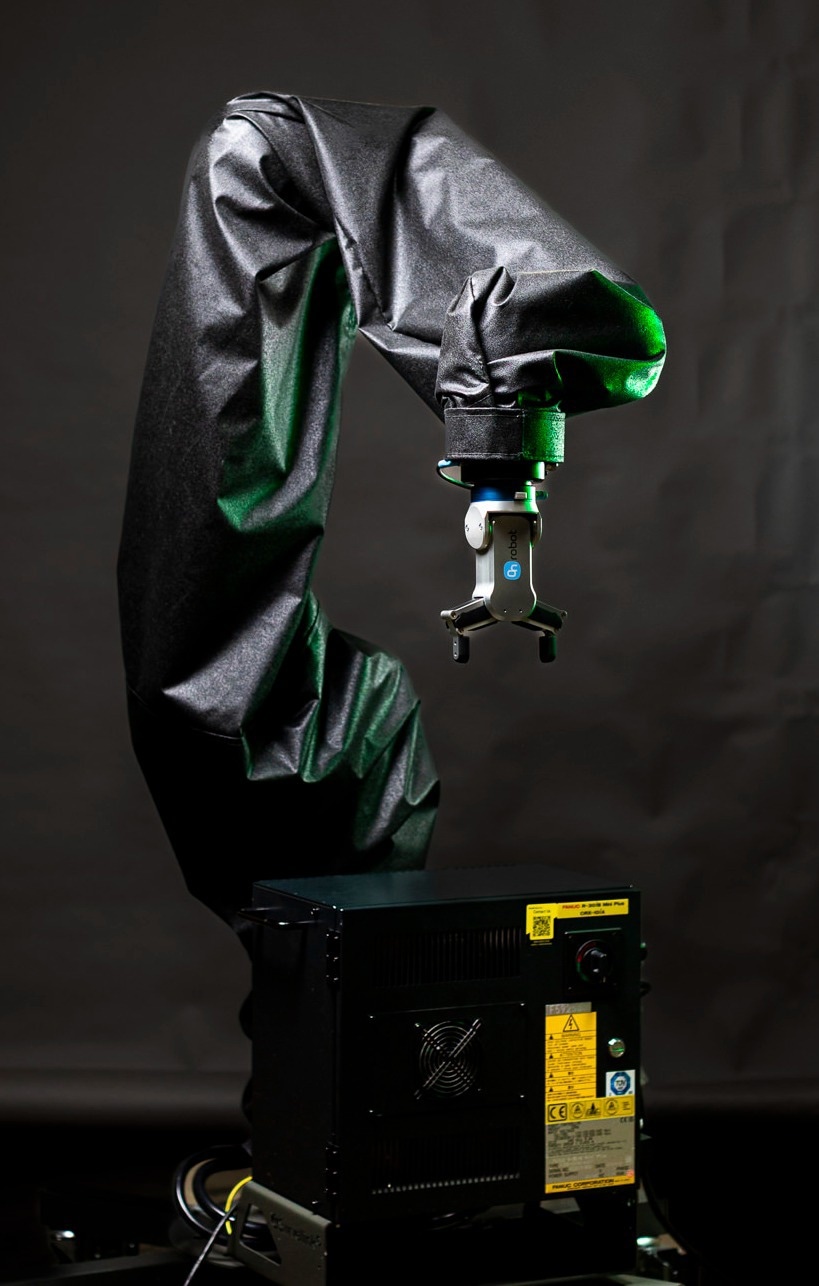
Image Credit: Mid-Mountain Materials, Inc
How did Mid Mountain Materials first enter the robot protection market?
Our involvement began many years ago when our President and CEO visited an aluminum smelter in Australia. The industry was an early adopter of large-scale robotics, and during the visit, he noticed a robot with a cover that was causing major problems. The internal substrate was shedding fibers that became trapped in the robot joints, leading to significant downtime and maintenance issues. That challenge highlighted a gap in the market. By combining our knowledge of textile engineering, material science, and smelting operations, we developed a purpose-built fabric to eliminate those issues. That innovation became the foundation of our dedicated robot cover solutions.
What types of coated fabrics are used in your robot covers?
Through extensive customer feedback and iterative development, we created a material called Robotex. It begins with an aramid substrate that is strong, lightweight, and naturally resistant to flame, abrasion, and chemicals. We pair this with a specialty silicone coating applied in a very specific way to enhance durability without restricting movement. Because robots often rub against their covers during operation, we ensure the coating supports flexibility and long service life. We then fabricate the covers to account for robot-specific attachments such as hoses, brackets, wiring, and tooling. Every component is part of the overall investment, so every element receives proper protection.
What performance requirements or innovations shaped the development of these covers?
The fact that our work began in an aluminum smelter was highly influential. It is one of the harshest industrial environments imaginable, so designing a material that could survive there established a strong baseline for durability, thermal stability, and flexibility. As robotics expanded into more industries, we carried that same design philosophy forward. Each robot has its own movement patterns, environmental pressures, and operational tasks, all of which need to be addressed in the cover’s design. Those early challenges helped us shape the standards we use today.
Are robot covers fully customizable for any make or model?
Yes. We design covers for virtually any robot, regardless of manufacturer or configuration. Understanding the robot’s full range of motion is critical, so we use several design techniques to ensure the cover moves smoothly without restricting performance. We also account for tooling, hoses, wiring, and all auxiliary parts that contribute to the robot’s task. Each cover is truly an application-specific solution.
How do you ensure the covers accommodate a robot’s full range of motion?
We carefully study how the robot articulates and ensure the materials do not pull, bind, or tighten at any point. Robots rotate and extend across multiple axes, and if the cover is not designed to match that fluid motion, it can twist or become obstructive. Our goal is for the cover to move as naturally as the robot itself, maintaining protection without interfering with precision or speed.
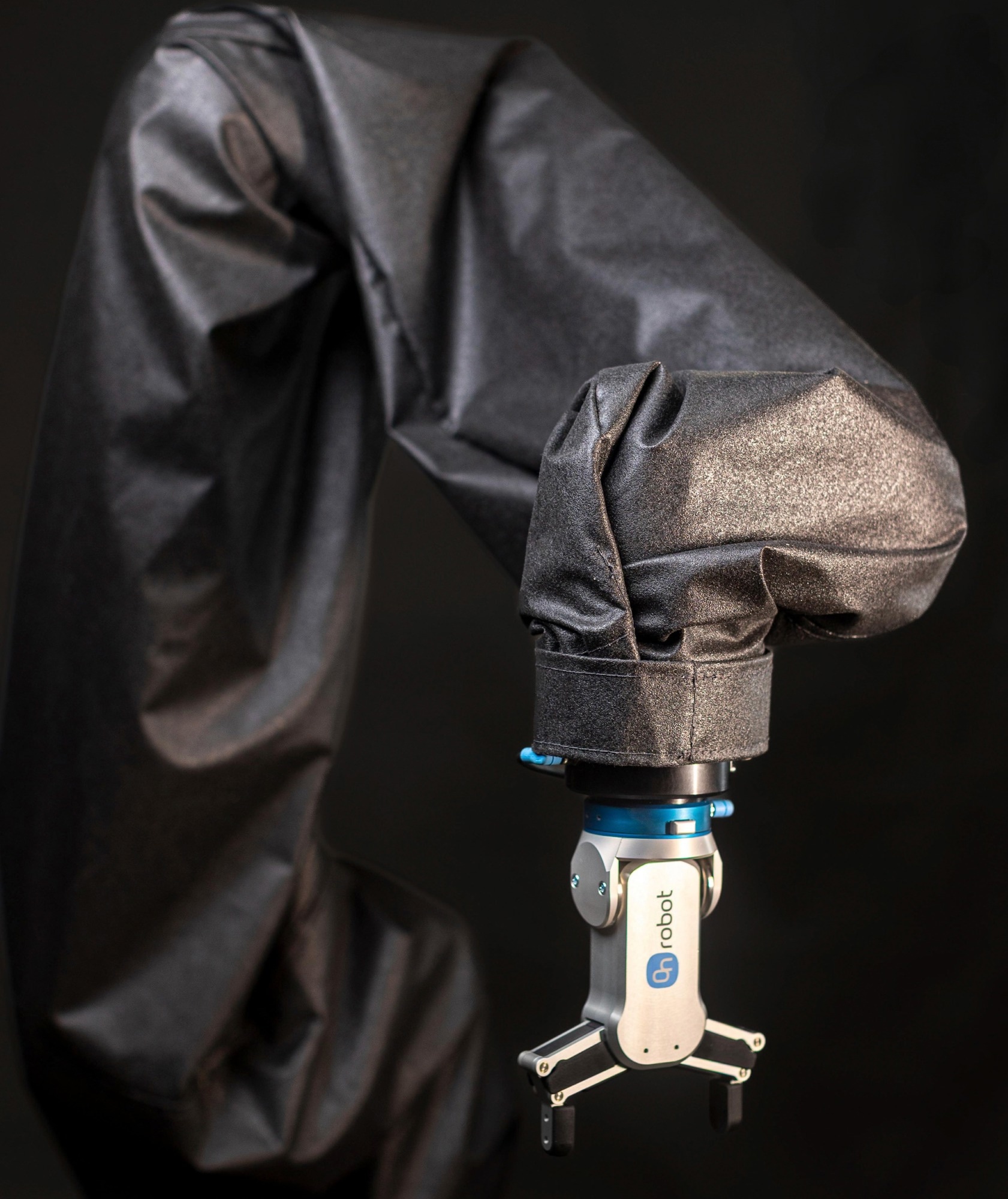
Image Credit: Mid-Mountain Materials, Inc
What is the typical manufacturing timeline for a custom robot cover?
Once we collect the necessary information, including movement data and attachment details, our design and fabrication process typically takes about two weeks. Lead time can vary based on size, complexity, and quantity, but in most cases, we can produce and ship a fully customized cover within that timeframe.
Can you share a recent success story that demonstrates the value of these covers?
One of our strongest areas of success has been working directly with robot manufacturers and certified system integrators. These partners place tremendous emphasis on delivering reliable, high-performing systems to their customers. After a system is installed, we are often contacted to provide protective covers for robots, which represent significant investments, sometimes in the six-figure range. A relatively small upfront cost in protection helps customers avoid major maintenance bills and downtime. These collaborations have proven highly beneficial across industries adopting automation at both large and modest scales.
How do robot covers impact human workers, and how do you see the protection market evolving in the next five years?
Robot covers increase safety, reliability, and equipment lifespan. Workers appreciate consistent robot performance and the absence of stress that comes from unexpected failures. Covers can also reduce risks related to pinch points or accidental contact with moving components.
Looking ahead, the protective cover market will continue to grow. As robots, collaborative robots, and mobile robots become more affordable, adoption is accelerating across sectors far beyond traditional manufacturing. Robots are now operating outdoors, in variable weather, and under UV exposure. With increasing automation and more complex tasks, protecting these investments has become standard practice. High-quality covers are crucial for ensuring long-term reliability, optimal facility performance, and overall robotic health.
About Megan Hartford 
Megan Hartford holds a Political Science degree from Western Washington University and has over seven years of experience at Mid-Mountain Materials, progressing from Outside Technical Sales to Sales Manager and now Director of Global Sales, where she supports global customers across high-performance material applications.
This information has been sourced, reviewed and adapted from materials provided by Mid-Mountain Materials, Inc.
For more information on this source, please visit Mid-Mountain Materials, Inc.
Disclaimer: The views expressed here are those of the interviewee and do not necessarily represent the views of AZoM.com Limited (T/A) AZoNetwork, the owner and operator of this website. This disclaimer forms part of the Terms and Conditions of use of this website.