As high-energy X-ray moves into the laboratory, scientists are rapidly unlocking experiments that were once only possible in synchrotron facilities.
Bringing these capabilities directly into the lab provides major advantages – greater flexibility, faster iteration, and broader accessibility – though it also introduces technical challenges. Achieving adequate flux, efficient high-energy detection, and spatial resolution are critical, but standard laboratory equipment often cannot meet these requirements.
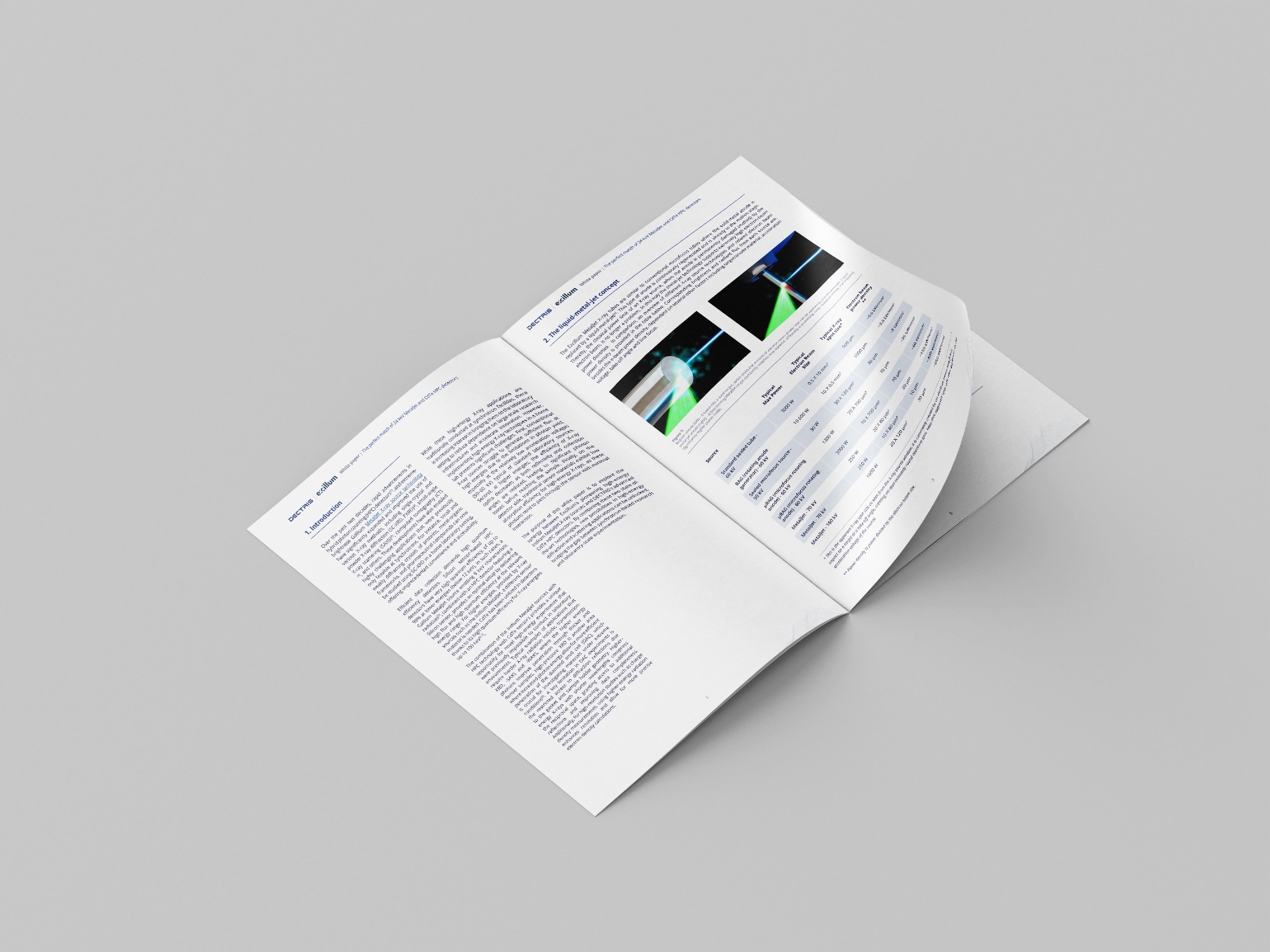
This white paper, co-authored by DECTRIS and Excillum, explains how liquid-metal-jet sources overcome flux limitations in traditional sources and how CdTe detectors sustain detection efficiency where silicon falls short. It highlights how this system accelerates data collection, improves resolution, and provides access to challenging experiments without the need for a beamtime proposal.
Whether you are in materials research, crystallography, or life sciences, you’ll uncover how to extend experimental range beyond traditional lab limits.
Explore the full white paper to see how you can perform high-energy X-ray experiments directly in-house, here:
Read the full paper here

This information has been sourced, reviewed, and adapted from materials provided by Dectris Ltd.
For more information on this source, please visit Dectris Ltd.