Vaporized hydrogen peroxide (VHP) is a powerful oxidant known for its efficiency in sterilizing enclosed filling isolators. With the increasing use of isolator applications, there is a greater demand for robust samplers that can withstand such settings.
The MiniCapt® Pro Remote Microbial Sampler has an internal flow route designed to withstand the corrosive effects of VHP.
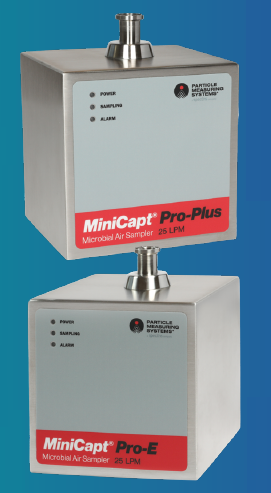
Image Credit: Particle Measuring Systems
Samplers exposed to VHP usually experience corrosion and deterioration of interior surfaces, as well as a shorter product lifespan and mean time to failure (MTTF). To address this issue, preventative procedures were developed for the units, and the flow path surfaces of the samplers were tested under both static and full VHP cycling circumstances while the instrument was operational.
The results from each phase were evaluated and compared to the specifications given in the calibration procedure. All outcomes were within acceptable limits. The MiniCapt Pro instruments are appropriate for applications that need routine exposure to rigorous cleaning and sanitization processes, such as VHP in isolators.
Test Purpose
The experiment was designed to verify the integrity of the internal flow path’s construction materials when subjected to typical oxidizing agents (VHP) concentrations for extended periods of time. The following test protocol was used:
One-Year, Simulated Typical Operation
- A Minicapt Pro microbiological sampler with flow rates of 25 and 100 LPM was tested.
- The test exposed participants to VHP for 247 cycles during normal sampling, which is similar to one year of working conditions. Each cycle lasted 15 minutes and used a VHP concentration of 400-905 ppm.
- The unit sampled continuously for 10 hours in between VHP cycles.
- After testing, the instrument’s calibration was checked to ensure that it remained within acceptable parameters.
- Testing techniques focused on the MiniCapt Pro sampler's flow path, not its 316 stainless steel containers. The stainless steel housing, certified IP65, protects the internal electrical equipment from contamination from outside of the instrument.
Product Requirements
The MiniCapt Pro microbiological sampler is designed to withstand at least 1 year of regular VHP exposure cycles during operation and to meet Particle Measuring Systems calibration criteria.
The VHP tolerance criteria are based on a normal facility disinfection routine carried out once daily for a year. The VHP concentrations used in the test were intended to simulate or exceed the conditions the instrument would encounter in customer installations.
1-Year Operation in VHP Environment Test
The MiniCapt Pro 25 LPM and 100 LPM instruments were subjected to 247 sanitization cycles with a goal length of 15 minutes and a concentration of 400–905 ppm. The exposure period was measured at concentrations higher than the minimum limit for each cycle.
The results contain the cycle's time, date, and concentration. Before beginning the first test, the microbiological sampler was calibrated to the manufacturer's standards. Flow rate measurements and verification were obtained before and after the sampler’s exposure to VHP.
For testing, the MiniCapt Pro instrument was linked to a Modbus-based control system and monitored to confirm its continuing performance.
Before the testing began, a BioCapt® Stainless Steel Impactor was added to the instrument's intake. After 247 sanitization cycles (or nearly one year of VHP exposure), the instrument was withdrawn from the test environment, and the unit’s calibration was checked.
This verification included flow-rate testing with Particle Measuring Systems’ MiniCapt Pro calibration tool. The calibration verification results and flow rate status were documented in the testing log.
Test Result
After one year of simulated environmental VHP treatment, the MiniCapt Pro’s flow efficiency remained consistent with Particle Measuring Systems’ production specifications. The PCB, connections, pump module, and blower showed no evident impacts from VHP exposure.
After one year of similar VHP cycles, the flow path’s surface finish and the outside housing remained in outstanding condition. No internal or external component damage was observed during testing or after analysis.
Physical Inspection
In addition to verifying system performance and calibration to Particle Measuring Systems specifications, a physical check of the flow channel and internal components was performed to guarantee that there was no damage during testing. As seen in the images below, there were no evident consequences of VHP exposure on the PCB, connections, pump module, or blower.
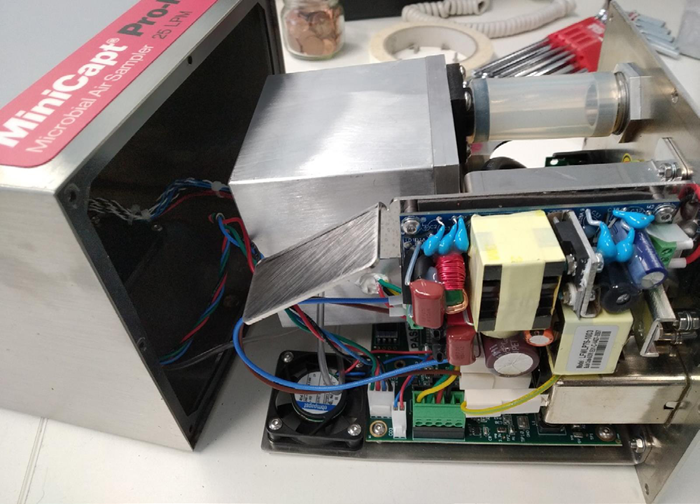
Figure 1. MiniCapt Pro Internal Overview. Image Credit: Particle Measuring Systems
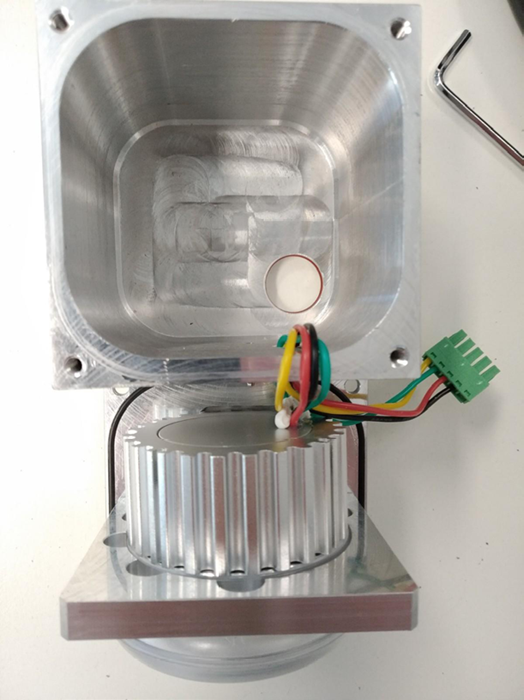
Figure 2. MiniCapt Pro Pump Module. Image Credit: Particle Measuring Systems
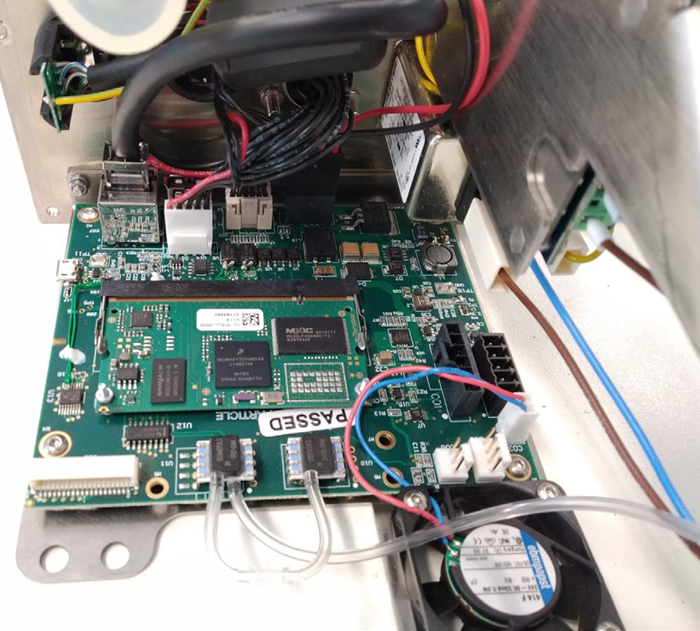
Figure 3. MiniCapt Processor PCB. Image Credit: Particle Measuring Systems
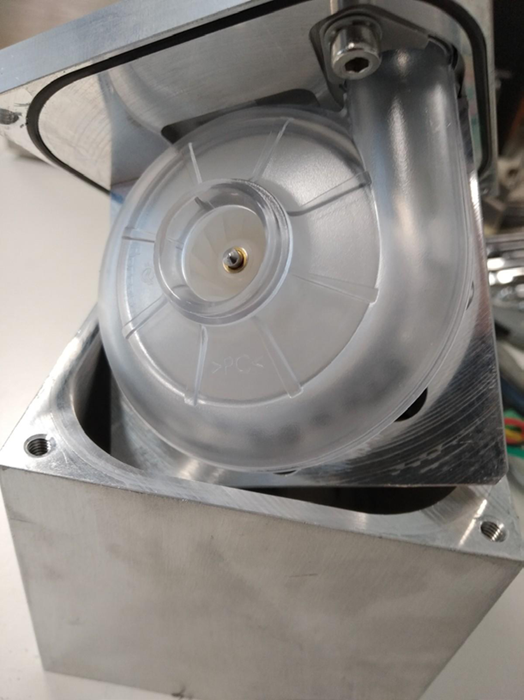
Figure 4. MiniCapt Pro Blower on The Pump Module. Image Credit: Particle Measuring Systems
Summary
The Minicapt Pro-E and MiniCapt Pro-Plus Microbial Samplers can tolerate high amounts of vaporized hydrogen peroxide (VHP), which is used for cleanroom cleaning. Particle Measuring Systems’ VHP-resistant design, tested to withstand at least 1 year, extends the longevity of these products.

This information has been sourced, reviewed, and adapted from materials provided by Particle Measuring Systems.
For more information on this source, please visit Particle Measuring Systems.