Homogenization refers to any of the techniques used to make a mixture of two mutually insoluble liquids the same throughout. To do this, one of the liquids is adjusted such that the minute particles are evenly dispersed throughout the other liquid. In other terms, homogenization is the process of blending two immiscible liquids into an emulsion.
In high-shear homogenizers, Genizer homogenization technology uses a microfluidic Diamond Interaction Chamber (DIXC) to create homogeneous nanoparticles.
To provide a constant processing profile, the processed fluid passes through the fixed shape of the Y- and Z-type microfluidics chambers (also known as continuous microreactors). This process allows for the creation of oil-in-water and water-in-oil nanoemulsions (100–1000 nm).
High-Pressure Nozzle, Impact Valve, or Microfluidics Chamber (Microreactor)?
Regardless of flow rate, high-pressure homogenization process pumps can supply 100–300 MPa hydrostatic pressure to a liquid with no flow limits. Current industrial, pilot, and lab-scale high-pressure homogenizers employ plunger-like pumps and valves, nozzles, or chambers made of hard ceramics or precious stones that are abrasion resistant.
Cavitation (Figure A), impact (Figure B), and shear are all indicators of effective homogenization. The valves, nozzles, or chambers support one or more of these properties.
Table 1. Selection Guide for Chamber Types. Source: Genizer LLC
| . |
Type of
Chamber |
Cavitation Nozzle
(Figure A) |
Impact Valve
(Figure B) |
Y-Type Chamber
(Figure C) |
| Application |
High viscosity liquid, suspension or paste |
Food, Beverage |
Pharmaceutical Emulsion, Nanoparticles |
| Advantage |
Old style |
Use for food |
High efficacy |
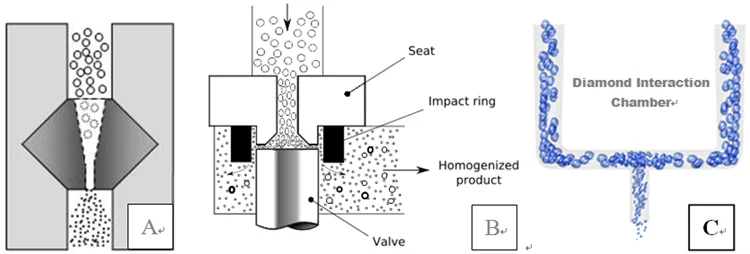
Three-Types Homogenizing Mechanism in History. Image Credit: Genizer LLC
Manufacturers of high-pressure homogenizers such as Genizer, Microfluidics (Y-type interaction chamber), Avestin (static homogenizing valve), and Nanomizer (collision-type generator) have all used the Y-type interaction chamber (Figure C), which is considered one of the most powerful chambers to date.
In these systems, the flow stream is split into two channels, which are subsequently combined into a single flow stream by being directed at right angles over the same plane. The high pressure causes a high speed at the flow crossover, causing turbulence, cavitation, and high shear across the single outgoing flow stream.
The Y-type chamber consists of two blocks of diamond or ceramic, with a tiny hole (nozzle) of 50–400 μm in diameter. First, two block-forming sections are visibly flattened by grinding and lapping.
The grooves are then properly aligned and cemented into the face of each block in the appropriate sizes and shapes. The homogenization energy is focused when the liquid streams collide in the internal drain at the collision site.
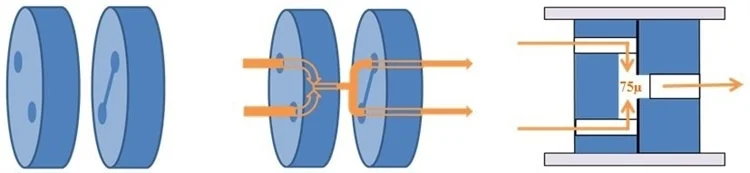
Y-type chamber made by two blocks of an optically flat disk. Image Credit: Genizer LLC
The Y-Type Diamond Interaction Chamber (DIXC) is employed in a high-pressure homogenizer to make homogeneous nanoparticles. The fixed shape of the Y-Type DIXC is designed to generate a uniform processing profile, ensuring that all materials are treated with equal disruptive forces.
Single-slotted interaction chambers have a single microchannel and are ideal for small-batch research, whereas multi-slotted interaction chambers include multiple microchannels in parallel, and can be used at industrial scales by increasing the flow rate through the DIXC while maintaining equal processing forces.
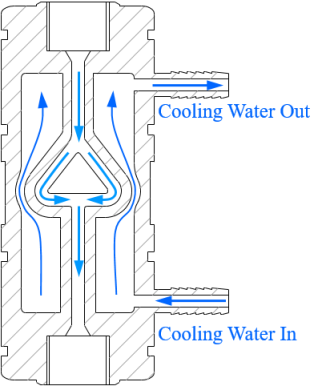
Structure of Y-type chamber and Y-type-RT chamber. Image Credit: Genizer LLC
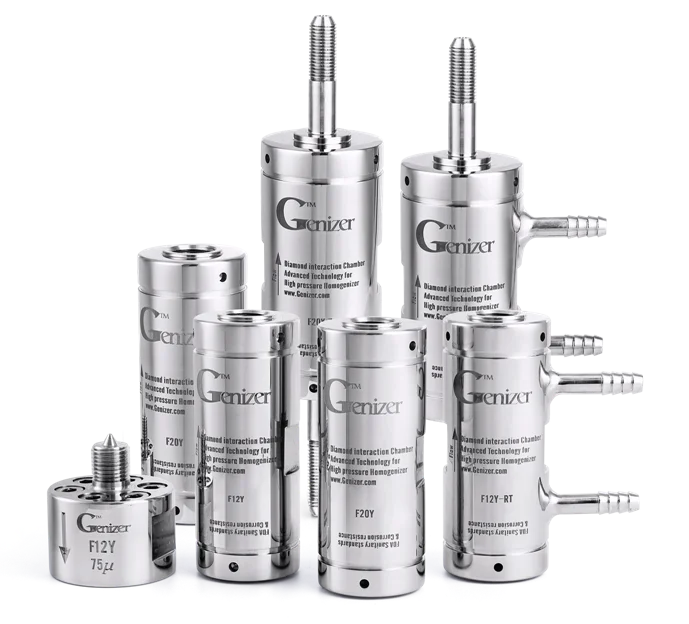
Photo of Y-type chambers and Y-type-RT chambers. Image Credit: Genizer LLC
The NanoGenizer high-pressure homogenizer consists of a feed reservoir, high-pressure pump, transducer, PLC control panel, and microfluidics diamond interaction chamber.
Its sanitary pump system can provide the necessary pressure to the product stream and force it through the Y-type or Z-type chamber, resulting in high shear rates and forceful impact.
The system’s applications include cell disruption, particle size reduction, nanoemulsions, nanodispersions, liposomes, deagglomeration, and vaccine production, among others.
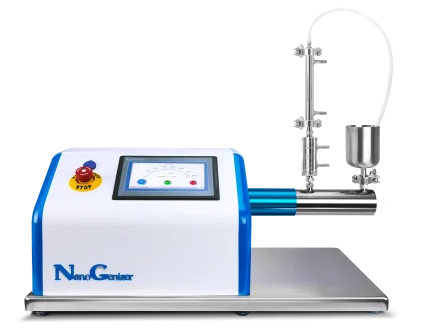
Nanogenizer high pressure homogenizer equipped with Y-type chamber. Image Credit: Genizer LLC
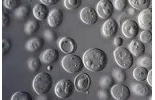
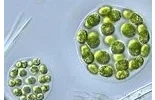
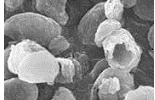
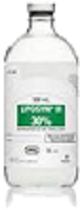
Table 2. Pressure and chamber selection for various applications with NanoGenizer. Source: Genizer LLC
| . |
| Cells |
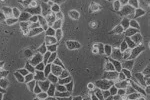
Mammalian cell |
Insect cell |
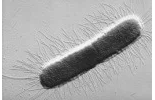
Bacteria cell |
Yeast cell |
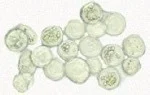
Algae cell |
SPore |
| |
 |
 |
 |
 |
 |
 |
| Sample |
CHO | Hela |
Sf9 | Sf21 | H5 |
E. Coli |
Yeast |
Green algaea |
Ganoderma |
| Pressure |
600–800 bar
8500–11,500 psi |
600–1000 bar
8500–14,500 psi |
800–1000 bar
11,500–14,500 psi |
1200–1400 bar
17,500–20,000 psi |
1200–1500 bar
7500–21,500 psi |
1300–1600 bar
18,500–23,000 psi |
| Chamber |
F20Y, F20Y-RT |
F20Y, F20Y-RT |
F20Y, F20Y-RT |
F20Y, F12Y |
F20Y, F12Y |
F20Y, F12Y |
| . |
| Emulsions |
Oil in water emulsions |
Water in oil emulsions |
Oil emulsion |
Food |
Liposome (o/w) |
Liposome (w/o) |
| |
 |
 |
 |
 |
 |
 |
| Sample |
Fat emulsion | Prostaglandin |
Cosmetics |
Dimethicone | Fuel |
Milk |
Doxorubicin |
DNA | lipopolyplex |
| Pressure |
~20,000 psi |
~10,000 psi |
~20,000 psi |
~10,000 psi |
~20,000 psi |
~8,000 psi |
| Chamber |
F20Y, F12Y |
F20Y |
F20Y, F12Y |
F20Y |
F20Y, F12Y |
F20Y |
| . |
| Dispersions |
Pigments |
Drugs/Creams |
Battery |
Particle aggregation |
Graphene |
Nanotubes |
| |
 |
 |
 |
 |
 |
 |
| Sample |
Inks,
coatings |
Norfloxacin,
Isoxyl |
Lithium/
solar cell |
Nano
fibril |
Graphene |
Carbon
nanotubes |
| Pressure |
~20,000 psi |
~20,000 psi |
~20,000 psi |
~25,000 psi |
~50,000 psi (single layer) |
>20,000 psi |
| Chamber |
F20Y, F12Y |
F20Y, F12Y |
F20Y, F12Y |
F20Y, F12Y |
F20Y, F12Y |
F20Y, F12Y |

This information has been sourced, reviewed and adapted from materials provided by Genizer LLC.
For more information on this source, please visit Genizer LLC.