The primary challenge for laboratories monitoring aluminum (Al) production process control, whether for key aluminum producers, aluminum foundries, or large aluminum scrap recycling foundries, is managing the high volume of samples generated across multiple processing steps.
Challenges of Aluminum Production Sample Analysis
Electrolytic reduction is used for the primary production of aluminum from alumina. This process requires large electrolysis plants with hundreds or even thousands of electrolytic cells to produce pure aluminum.
All cells require regular monitoring, including monitoring for process effects using XRF and XRD technologies. In addition, the quality of the chemical composition of the aluminum must be confirmed before further processing in the foundry.
This confirmation can be achieved using spark OES (optical emission spectrometer) for fast and accurate elemental evaluation at trace levels for all relevant elements. Furthermore, larger aluminum foundries and recycling plants must handle large sample numbers due to the wide variety of furnace types and casting procedures involved.
Aluminum laboratories face additional challenges during production sample analysis, as multiple samples are expected to reach the laboratory simultaneously. Aluminum samples are collected from electrolytic baths and holding furnaces, where liquid aluminum is continuously generated.
These liquid samples are poured into sample molds to create solid aluminum samples ready for analysis. Due to the large number of electrolytic baths in the manufacturing plants, the sample collection process can take several minutes.
Once the samples have reached the laboratory, they require continuous and routine analysis. Operators must identify the samples, prepare the sample surfaces, initiate the analysis in the OES analyzer, and perform other tasks to ensure traceability and quality control. Since this procedure involves multiple manual steps, it is prone to errors and can yield inconsistent outcomes.
Benefits of Laboratory Automation in Aluminum Production
Automating sample collection and sample movement ensures desired production quality. The primary benefits of automating aluminum laboratories include:
Automation systems can manage sample movement between the different stages of the process. The workflow starts with sample registration, where complete sample batches can be entered into the automation system using a FIFO belt (First in, First out). A robotic arm processes one sample at a time according to the laboratory-defined step-by-step workflow.
Processing stages include the preparation, weighing, and marking of samples. The strategic physical location of each component and machine in the process allows the automated robot to optimize transfer times between stages.
- Improved Analysis Consistency:
By reducing operator-dependent variability, an automated system ensures that the entire process remains consistent regardless of the time of day, operator skills, or other external factors. Including this reproducibility and repeatability in the process ensures traceability between samples.
- Enhanced Process Efficiency:
Automated systems enhance laboratory efficiency by delivering quicker outcomes, which can increase manufacturing volume and reduce bottlenecks. They also optimize laboratory resources by allowing operators to focus on more value-added tasks.
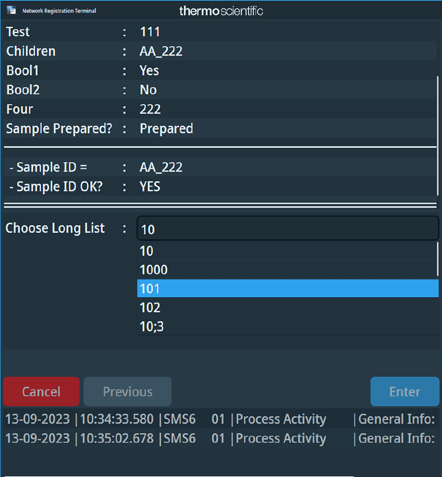
Image Credit: Thermo Fisher Scientific
Automating Sample Registration and Handling
Network Registration Terminal
- Single and batch registration options
- Enhanced flexibility in the registration workflow
- Touchscreen or keyboard/mouse control
- Contemporary, user-friendly layout that reduces the likelihood of errors
- List of filtering options, e.g., grade, operators, etc.
- Multiple access options, e.g., operators, lab managers, etc.
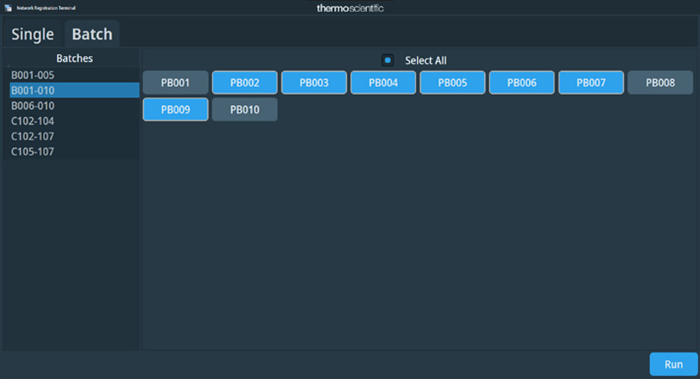
Image Credit: Thermo Fisher Scientific
Batch Sample Introduction
- User-friendly and customizable batch registration
- Quicker sample registration
- Graphical representation of a real sample batch
- No need to access the SMS computer for batch registration
Automating Samples Analysis
The advantages of automating sample analysis include:
- Compatibility with Different Sample Input Systems
Samples can be placed on a linear or spiral transport belt (Figures 1 and 2), designed for the required number of samples. This allows all samples arriving from the manufacturing plant to be placed in the same batch, including different sample types and priority levels, reducing the time and potentially increasing sample input throughput compared to manual mode.
From sample input to registration, Thermo Fisher Scientific provides a broad range of hardware options to optimize the process and support a smooth transition to automated workflows.
- Optimized Software Orchestration
Thermo Scientific™ ARL™ SMS Software supports a high degree of configuration complexity, allowing the process to be mapped and tailored to laboratory needs. Software options such as the SCT (Setting-up, Control, and Type Standardization) sample procedures or sample prioritization allow labs to customize the system based on their requirements and workflow.
- Market-proven ARL SMS Systems
Compact, ultra-fast, and intuitive, the ARL SMS Automation Systems leverage the latest automation technologies to exceed the expectations of modern aluminum laboratories.
ARL SMS products are produced and maintained according to ISO 9001 processes, along with Thermo Scientific’s well-established metals analyzers. As a single source, Thermo Fisher Scientific can supply and support tools and laboratory workflow automation solutions, reducing lab visits and minimizing downtime.
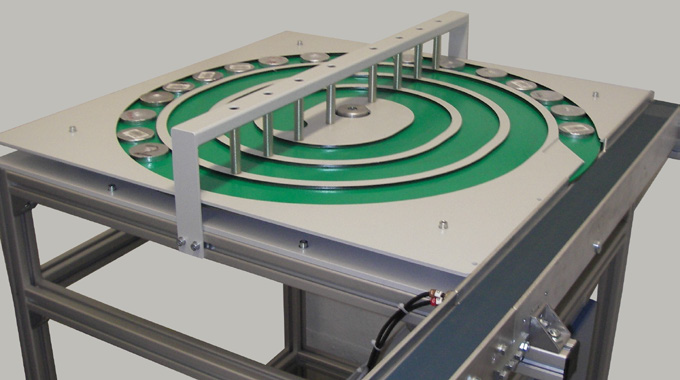
Image Credit: Thermo Fisher Scientific
Spiral Magazine
- Facilitates the simultaneous introduction of sample batches, supporting a quicker sample registration process
- Handles up to about 100 aluminum samples (of approximately 50 mm diameter)
- Features a linear belt for direct connection to the SMS system
- Provides excellent value for aluminum labs
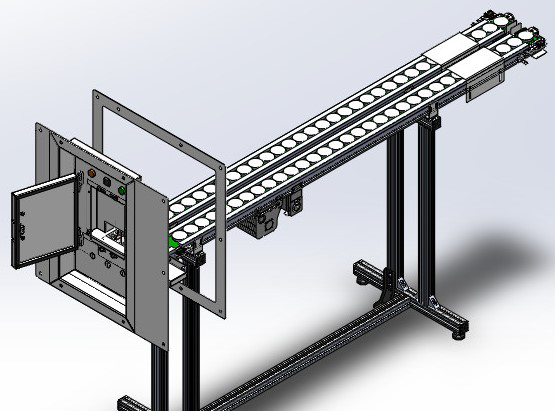
Image Credit: Thermo Fisher Scientific
Lineal Magazine
- Allows multiple sample introductions, with the option to position the entering door outside the laboratory room
- Supports single or multiple belts, allowing different sample priorities
- Features customizable length and design
ARL SMS Automation Systems for Aluminum Laboratories
This excellent automation product range enables flawless automation of manual procedures and rapid evaluation of production samples. The product range includes:
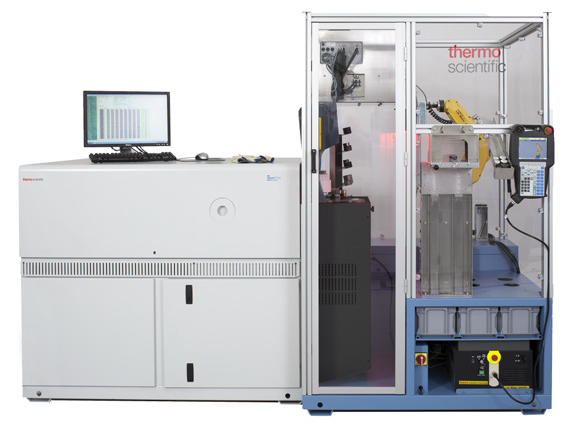
Image Credit: Thermo Fisher Scientific
Thermo Scientific™ ARL™ SMS-2300 Automation for OES or XRF
This single-instrument system has a small footprint, ideal for low- to medium-volume operations or as a redundant system. This entry-level automation system is designed for use with one Thermo Scientific™ ARL™ iSpark™ Plus OES Spectrometer or Thermo Scientific™ ARL™ X900 XRF Spectrometer.
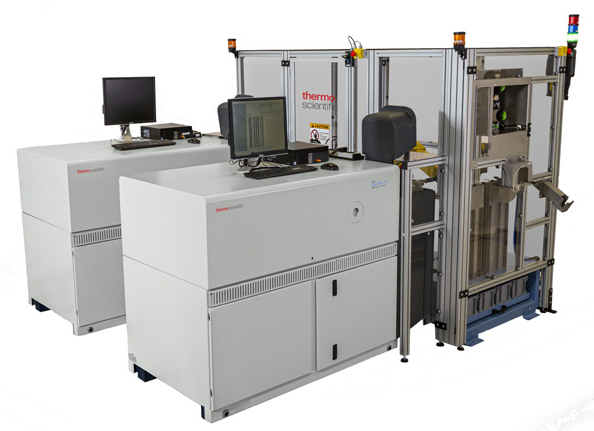
Image Credit: Thermo Fisher Scientific
Thermo Scientific™ ARL™ SMS-3300 Automation for Single or Dual OES or XRF
Equipped with a larger robot than the ARL SMS-2300, this system provides greater versatility and more options for laboratory integration. Whether operating as a standalone system directly connected to a sample-preparation machine or as part of a central laboratory, the ARL SMS-3300 Single or Dual can process high sample volumes daily.
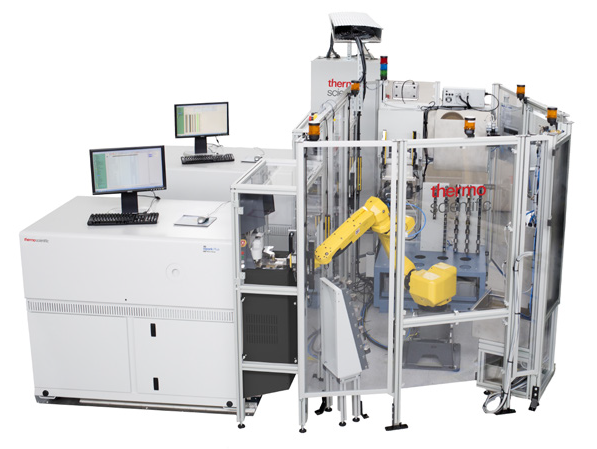
Image Credit: Thermo Fisher Scientific
Thermo Scientific™ ARL™ SMS-3500 Automation for Twin OES or XRF
This dual-instrument system (OES or XRF) can connect to two sample-preparation machines. The largest robot in the ARL SMS family, it offers high layout versatility and flexibility. It is well-suited for high sample volumes or difficult setups.
Thermo Scientific’s Service Plans
Thermo Scientific’s services provide comprehensive solutions that support operational excellence while ensuring the longevity and efficiency of ARL SMS Automation systems. These offerings are tailored to meet the diverse requirements of clients. Thermo Scientific offers specific service plans for its product lines, high-quality spare parts, and responsive technical support for rapid issue resolution.
Every analytical application is unique. Thermo Scientific service experts recognize this and take client-specific requirements and expectations into account when delivering tailored solutions. These comprehensive service plans are also designed to provide clients with multiple value-added advantages.
- Flexible coverage: Thermo Scientific understands that clients have unique service requirements. For this reason, the company offers various service agreement levels, so clients can select the level of coverage best suited to their system requirements.
- Reduced downtime: Regular preventive maintenance and pre-scheduled calibration visits can significantly reduce manufacturing downtime and minimize unnecessary product giveaways.
- Priority response: Clients with service contracts receive priority responses over non-contract clients, minimizing operational disruptions.
- Manufacturer-certified parts: Thermo Scientific part performance is guaranteed to meet the stringent design specifications of its instruments, delivering optimal equipment results.
- Predictable expenses: A Thermo Fisher Scientific service plan ensures the highest level of response at predictable costs, eliminating surprises and enabling increased control over expenses.
- High quality: All Thermo Scientific engineers are factory-trained, and the company’s production facilities are ISO 9001 registered and compliant. They also provide traceable certification for quality systems, ensuring the highest standards for instruments.

This information has been sourced, reviewed, and adapted from materials provided by Thermo Fisher Scientific – Analytical Instruments & Solutions
For more information on this source, please visit Thermo Fisher Scientific – Analytical Instruments & Solutions.