Milk powder quality depends on several critical parameters, including protein, moisture, lactose, and fat content. These factors directly influence nutritional consistency, shelf life, regulatory compliance, and overall product integrity.
For dairy ingredients used in sensitive applications, such as infant formula, reliable final product control is especially important. Producers need fast, accurate methods that can support quality assurance while helping them respond quickly to process variations.
A Faster Way to Analyze Milk Powder
Near-infrared spectroscopy (NIRS) provides a rapid, reagent-free method for measuring key quality parameters directly in milk powder. Unlike traditional reference methods, NIRS requires no sample preparation, making it suitable for routine testing in the laboratory or real-time monitoring on the production line.
Using an OMNIS NIR Analyzer, more than 600 milk powder samples from different suppliers were analyzed in diffuse-reflection mode. The samples were rotated during measurement to account for product variability, allowing spectra to be collected from different areas of each sample.
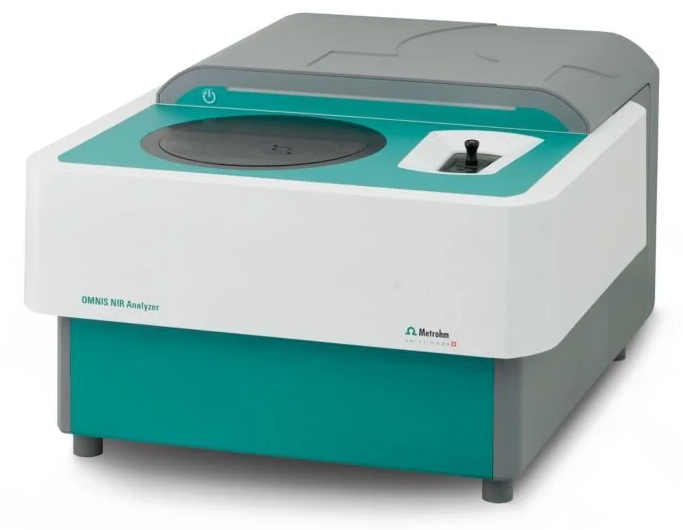
Figure 1. OMNIS NIR Analyzer Liquid/Solid. Image Credit: Metrohm Middle East FZC
Multiple Quality Parameters in One Measurement
NIRS enables simultaneous analysis of key milk powder parameters, including:
- Protein content
- Moisture content
- Lactose content
- Fat content
The acquired NIR spectra were used to develop prediction models for each parameter. Reference values were obtained using official methods for protein, moisture, and fat, while lactose content was determined using the phenol-sulfuric acid method.
By comparing NIR predictions with reference values, the study demonstrated strong model performance, with high correlation coefficients and low prediction errors across all measured parameters.
Why it Matters for Dairy Producers
For milk powder manufacturers and quality control laboratories, this approach offers:
- Reliable quality control across diverse sample types
- Rapid analysis without sample preparation
- Reagent-free testing for routine workflows
- Real-time monitoring in the lab or production line
- Faster response to process variations
With samples sourced from different global origins, the dataset captured a wide range of product variability. This shows that NIRS can be successfully integrated into milk powder quality control workflows, supporting consistent results, reduced waste, and batch-to-batch product integrity.
Read the Full App Note