Hydrogen embrittlement is a key barrier to the widespread implementation of hydrogen technologies, and the accurate measurement of hydrogen diffusivity in metals is key to understanding this phenomenon.
In a new study on the relative effectiveness of electropermeation and isothermal desorption strategies for measuring hydrogen diffusivity, two established techniques were compared, electrochemical permeation (EP) and isothermal desorption spectroscopy (ITDS), to evaluate their precision, repeatability, and applicability across varying materials.
ITDS measures hydrogen desorption from pre-charged samples under ultra-high-vacuum (UHV) conditions at constant temperature, with hydrogen diffusivity achieved by fitting finite element simulations to the desorption profile.
Conversely, EP relies on electrochemical charging and diffusion across a membrane, but it is prone to scattering due to variable surface conditions and unstable electrochemical boundary impacts.
Experiments on cold-rolled pure iron demonstrated that ITDS delivered significantly better repeatability than EP. This minimized data scatter, which in EP can be up to fivefold depending on boundary conditions and diffusion model assumptions.
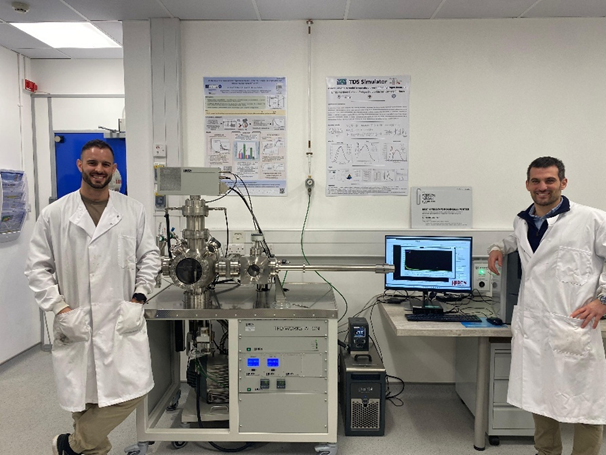
Figure 1. Dr. Alfredo Zafra (left), and Prof. Emilio Martinez-Pañeda (right). Image Credit: Hiden Analytical
Moreover, ITDS can access higher thermal ranges than EP, which is restricted by the electrolyte’s boiling point. The elevated temperature ranges enable a more comprehensive Arrhenius evaluation and robust modeling of temperature-dependent diffusion. These benefits stem from the controlled environment of ITDS, which removes artifacts from surface interactions and maintains stable boundary conditions.
However, advanced instrumentation capable of sustaining UHV is required to obtain reliable ITDS outcomes, thereby reducing contamination and identifying hydrogen at significantly low levels.
Hiden Analytical’s UHV-TDS system was essential in this context. Its rapid pumping and stable vacuum design permitted precise measurements on thin (less than 1 mm) specimens of fast-diffusing metals that had previously been considered incompatible with ITDS.
The highly sensitive mass spectrometer was able to detect hydrogen fluxes as low as 4.4 × 10⁻⁶ wppm/second. This capability, combined with accurate temperature control through conduction heating (up to 80 °C/minute), ensured minimal hydrogen loss and elevated precision during testing.
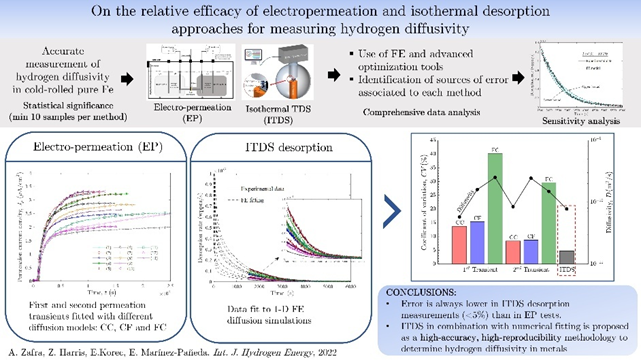
Figure 2. Image Credit: Zafra, A., et al. (2022)
These properties enabled the collection of highly consistent datasets and extended ITDS measurements to a wide variety of alloys, including nickel-based alloys, austenitic stainless steels, and high-entropy alloys, where the findings indicate that electrochemical artifacts may have influenced some prior electropermeation data.
Although EP possesses certain benefits, including enabling directional research or coating evaluations, ITDS has emerged as a more durable and repeatable technique for measuring diffusivity across multiple structural metals, especially those integral to hydrogen infrastructure.
Looking forward, the researchers anticipate additional enhancements by integrating cryogenic pre-stages to avoid hydrogen loss prior to testing and combining the system with permeation modules to study directional diffusion with novel sensitivity.
These developments could make ITDS one of the most robust and flexible instruments for analyzing hydrogen–metal interactions, delivering crucial insights for the design of hydrogen-resistant materials and facilitating the development of safe, robust components for the hydrogen economy.
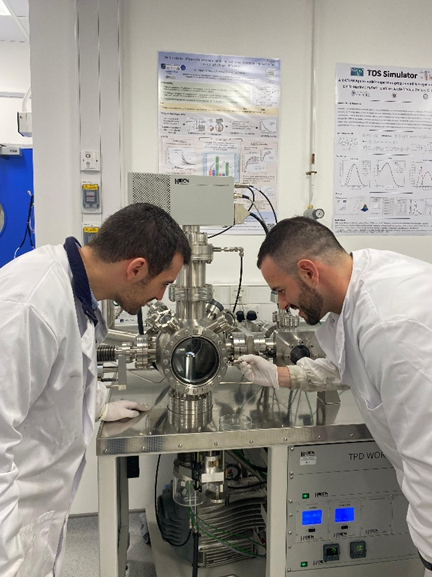
Figure 3. Image Credit: University of Oxford
Acknowledgments
Produced from materials originally authored by Alfredo Zafra, University of Oxford.
References and Further Reading
- Zafra, A., et al. (2022). On the relative efficacy of electropermeation and isothermal desorption approaches for measuring hydrogen diffusivity. International Journal of Hydrogen Energy, 48(3), pp.1218–1233. DOI: 10.1016/j.ijhydene.2022.10.025. https://www.sciencedirect.com/science/article/pii/S0360319922046481.

This information has been sourced, reviewed, and adapted from materials provided by Hiden Analytical.
For more information on this source, please visit Hiden Analytical.