Graphite and carbon-based materials are the foundation of most lithium-ion battery anodes. Their purity and composition, along with the amounts of oxygen or nitrogen present, are essential parameters that can significantly impact a battery’s capacity, lifespan, and safety. This article explores why determining oxygen and nitrogen content is vital to successful battery materials analysis, and how efficient, precise measurements allow manufacturers to drive innovations in performance and reliability.
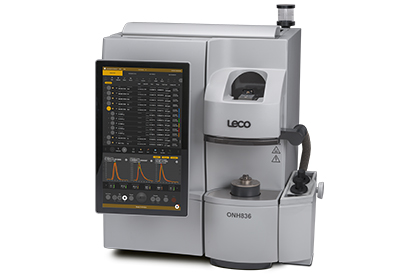
836 Series. Image Credit: LECO Corporation
Why Oxygen and Nitrogen Matter
To ensure quality in carbon anodes, the component materials must be consistently ultra-pure. Typically, oxygen can be unintentionally introduced into graphite as surface oxides or via moisture during material processing or storage. Even at low levels, the presence of oxygen can influence how lithium ions intercalate into the anode's carbon structure and can make the graphite’s structural stability vulnerable.
To put it simply, oxygen contamination in an anode can negatively affect a battery’s energy density and consequently reduce its cycle life. Moreover, elevated oxygen levels can limit the lithium-holding capability of the graphite anode, which, over time, leads to excessive solid-electrolyte interphase (SEI) formation or gas generation and thereby compromises performance and safety.
Nitrogen, conversely, can be a double-edged sword. Battery researchers are known to, on occasion, purposefully dope carbon with nitrogen to enhance electrical conductivity. Sufficient nitrogen in graphite can boost electron transport and even enhance lithium-ion intercalation kinetics, ultimately improving the battery’s power and lifespan. However, nitrogen doping requires stringent controls. Insufficient nitrogen limits performance gains, while too much nitrogen can introduce undesirable structural defects or variability.
Moreover, if nitrogen inadvertently finds its way into materials (as a contaminant from manufacturing processes or feedstocks), this could also present performance inconsistencies. Whether oxygen and nitrogen are introduced by design or appear as impurities, their levels must be carefully controlled to ensure the battery delivers optimal performance and remains safe throughout the cell’s lifetime.
Measurement: Imperative from R&D to Production
To manage oxygen and nitrogen levels effectively, it all begins with accurate measurement capabilities. Battery R&D teams use O/N analysis to gain a deeper understanding of behaviors in new material formulations. Consistency in quality is everything during production, and routine oxygen and nitrogen testing is now a cornerstone of battery material quality control. Manufacturers depend on these tests to verify incoming raw materials and to track each batch of finished anode powder to ensure compliance.
Having access to reliable O/N data affords engineers the capacity to tweak process parameters to achieve desired purity or doping levels. The result is optimized processes and consistency as batteries routinely hit their performance targets with a reduced risk of early capacity fade or safety issues. To sum up, effective oxygen and nitrogen measuring techniques instill user confidence at every step.
The ON836 Solution: Reliable O&N Analysis for Battery Materials
The LECO ON836 is a powerful elemental analyzer developed to handle specialized tasks such as analyzing oxygen and nitrogen levels in carbon materials. This advanced instrument employs the long-standing method of inert gas fusion with sophisticated detection systems to simultaneously measure oxygen and nitrogen levels in a single run.
The ON836 can quantify each element with its sensitive infrared and thermal conductivity detectors, which deliver accurate O and N readings in just a few minutes.
Another big bonus for the battery industry is the fact that the ON836 has been assembled to accommodate the extensive dynamic range of O/N content found in carbon materials. Whether analyzing ultra-purified graphite or a heavily N-doped carbon prototype, the instrument can measure from low parts-per-million impurity levels to higher intentionally doped concentration levels with exceptional accuracy in a single instrument.
For battery manufacturers and researchers alike, this capability improves both efficiency and confidence. Running a single analysis in the ON836 generates all the key O and N data required for a given sample, streamlining workflows and preventing bottlenecks.
Its automated features and easy-to-use design make it well-equipped to handle high throughput in busy labs – an essential capability as the battery industry continues to grow to meet global demand.
By enabling rapid, reliable O and N measurements for every sample, the ON836 helps verify the quality of each batch of carbon anode material to ensure optimized performance, consistency, and safety.
Enabling Innovation, Consistency, and Trust
To sum up, battery performance is dependent on measuring and controlling oxygen and nitrogen in lithium-based anodes and battery materials, factors that also influence longevity and safety.
With state-of-the-art solutions like the ON836, battery manufacturers and researchers can characterize materials, optimize processes, and produce more reliable, longer-lasting energy storage systems.
Expand Your Knowledge
For additional information on battery materials analysis, watch the LECO webinar. This session covers several different analyses that can be applied to graphite, lithium iron phosphate (LiFePo4), and lithium nickel manganese cobalt oxide (NMC) materials.

This information has been sourced, reviewed and adapted from materials provided by LECO Corporation.
For more information on this source, please visit LECO Corporation.