Around 90 years ago, LECO released its pioneering rapid carbon determinator elemental analyzer, changing the iron and steel industry forever. Ever since, LECO has steadily pushed the envelope of analytical testing across a diverse range of materials and industries, including the global energy sector.
As elemental and thermal analysis continues to advance today, thousands of companies all over the world put their trust in LECO for their analytical needs. LECO has invested endless hours and resources to deliver the best possible solutions to a broad range of energy research applications. From being a member of the Volta Foundation to simply reaching out to customers, LECO is at the forefront of meeting the challenges and needs of the industry while always striving to offer its clients the best solutions available.
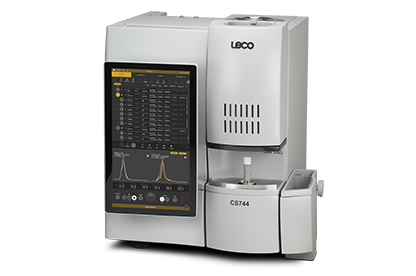
744 Series. Image Credit: LECO Corporation
The Role of Carbon and Sulfur in Batteries
LECO’s line of rapid combustion analyzers is equipped to pinpoint carbon and sulfur content and is among the most groundbreaking solutions available today.
In the ever-evolving field of battery technology, accurately identifying elemental composition is crucial for optimizing performance and delivering long-term stability. Among the core elements, carbon and sulfur play significant roles in shaping the electrochemical behavior of battery materials.
Controlled amounts of carbon, typically used as a conductive additive, are required to maintain electrical conductivity without jeopardizing structural integrity. Conversely, sulfur is a common component found in advanced battery chemistries, and when used in precise amounts, it is essential in preventing capacity fading and degradation. Therefore, a good understanding of how to control the levels of these elements is central to the development of high-performance, durable batteries and will be fundamental in the evolution of next-generation batteries.
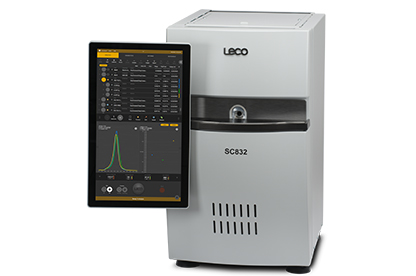
832 Series. Image Credit: LECO Corporation
Combustion Analysis as a Solution
Combustion analysis is considered the most effective method for quantifying carbon and sulfur content in battery materials. This method involves high-temperature oxidation of the sample in a furnace, either through a resistance- or induction-based method, which is determined by the material type and analytical preference, in the presence of pure oxygen.
The carbon and sulfur in the sample are transformed into carbon dioxide (CO2) and sulfur dioxide (SO2), respectively, which are then evaluated using infrared detection. This method provides precision and speed along with high sensitivity, making it well-suited for use in both research and quality control environments.
Being able to choose between resistance and induction furnaces enables flexibility to accommodate a broad range of sample matrices, from powders to solid electrodes. When paired with ICP analysis, it is possible to acquire a more detailed view of the materials, but ICP analysis alone can create more questions around important elements such as carbon and sulfur.
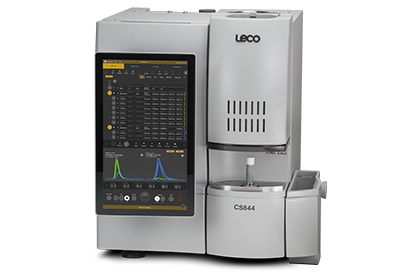
844 Series. Image Credit: LECO Corporation
Assessing Purity and Quality with Thermogravimetric Analysis
In addition to elemental analysis, evaluating the overall purity and quality of battery materials also requires assessing parameters such as moisture content, ash, and loss on ignition (LOI). These measurements, usually carried out using a macro thermogravimetric analyzer (TGA), offer key insights into the thermal stability and compositional integrity of both raw materials and recycled battery products.
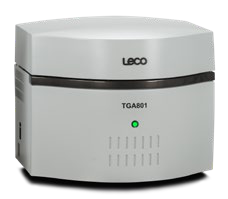
Image Credit: LECO Corporation
Moisture can significantly impact the electrochemical performance and service life of batteries, while ash content reveals the presence of inorganic impurities. LOI provides insight into the amount of volatile materials, which can impact battery safety, efficiency, and reliability.
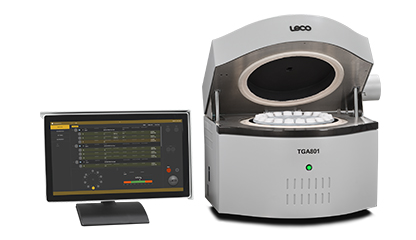
TGA801. Image Credit: LECO Corporation
Comprehensive Solutions with LECO
Combustion and thermal analyses work together to deliver a complete toolkit for ensuring the reliability and sustainability of today’s energy storage solutions. With more than 80 years of experience, LECO offers everything needed to deliver confident results from its trusted analytical methods.
Learn More
LECO has organized a webinar to discuss combustion and how it can be applied to battery materials testing. This opportunity offers a way to gain a deeper understanding of the key differentiators between combustion and ICP analyses, as well as more knowledge about the advantages of onboarding one (or more) LECO instruments in the laboratory.

This information has been sourced, reviewed and adapted from materials provided by LECO Corporation.
For more information on this source, please visit LECO Corporation.