Membrane proteins are difficult to purify due to their amphipathic nature and complex 3D structure, necessitating lengthy, laborious methods that are expensive, dangerous, and sometimes fail to retain natural biology.
In light of this challenge, CyBio FeliX's automated NativeMP™ technology allows for quick, walk-away purification while retaining native protein structure, resulting in ready-to-use proteins in less than three hours.
Introduction
Despite their potential as therapeutic targets, cell membrane proteins are sometimes an insurmountable obstacle for researchers. Purification of cell membrane proteins has always relied on time-consuming and error-prone manual methods, resulting in a low success rate.
Each purification can take days at low temperatures, and the use of solvents to solubilize the protein causes denaturation. A protein's function and its interactions with medications or other molecules rely on its three-dimensional structure; therefore, its native conformation must be recreated using more complex and wasteful techniques.
As a result, structural or functional analyses of these proteins are often flawed and biologically irrelevant. To address this challenge, Analytik Jena and Cube Biotech automated the NativeMP™ copolymers and PlateX MP™ methodology on the CyBio FeliX, resulting in a rapid, efficient, plug-and-play solution for the market.
The CyBio FeliX is Analytik Jena's compact yet powerful automated liquid handler that fits a wide range of applications into a small footprint and is one of the most precise pipetting platforms on the market.
NativeMP™ technology creates a copolymer nanodisk around proteins, preserving their lipid environment during purification. As a result, membrane proteins from any cell type can be solubilized in their native three-dimensional structure at room temperature and completely solvent-free.
The automation of PlateX MP™ on the CyBio FeliX requires only that the operator add cell samples, eliminating difficult, time-consuming, and error-prone manual work. In less than three hours, high-yield proteins in their natural 3D structure are ready for storage or further use with no extra processing.
The entire process is repeatable and standardized, yielding consistent outcomes with minimal effort. The technique in this article is tailored for protein screening with up to eight distinct copolymers and can be scaled up to meet research needs.
This article highlights CyBio FeliX automation and PlateX MP™, which offer a solvent-free approach for membrane protein purification. Most importantly, CyBio FeliX automates membrane protein purification, allowing researchers to focus on evaluating high-quality samples and achieving consistent results.
Materials and Methods
Instrumentation
- CyBio FeliX Basic Unit with Enclosure (OL5015-24-100, Analytik Jena)
- CyBio FeliX CHOICE Head (OL3316-14-250, Analytik Jena)
- 8-channel CHOICE Adapter; 10 µL -1000 µL (OL3316-14-330, Analytik Jena)
- Gripper (OL3317-14-800, Analytik Jena)
- TipRack 96/1000 µL (OL3317-11-140, Analytik Jena)
- Adapter 24 tubes, passive cooling function (844-00136-0, Analytik Jena)
- ALPAQUA® MAGNUM FLX™; Universal Magnet Adapter (OL3317-11-285, Analytik Jena)
- QInstruments BioShake 3000-T elm (QINSTRUMENTS-2016-0517, Analytik Jena)
- Mounting Kit BioShake 3000 Series (OL3317-23-692, Analytik Jena)
- QINSTRUMENTS Adapter DW - 96 wells, v-bottom, 2.2 mL (848-2016-1214, Analytik Jena)
- CyBio TipRack 96/1000 µl PSF [24]; TipRack, PCR-certified, pre-sterilized, filter (OL3812-25-878, Analytik Jena)
- PlateX MP™ Strep-Tactin®XT MagBeads, 96 deepwell plate (Axygen) (Cat. No. 90810, Cube Biotech)
- PlateX MP™ Rho-1D4 MagBeads, 96 deep-well plate (Axygen)(Cat. No. 90610, Cube Biotech)
- PlateX MP™ Anti-DYKDDDDK MagBeads, 96 deepwell plate (Axygen) (Cat. No. 90710, Cube Biotech)
Protein Expression and Cell Culture
Cube Biotech expressed eight distinct proteins, listed in Table 1, in human cell cultures using the techniques outlined in Hanisch et al..1
These proteins were subjected to further analysis to assess their concentration, aggregation, and thermal stability. Cube Biotech also employed P2X4 to determine three-dimensional structures using cryo-EM.
Table 1. Proteins purified by CyBio FeliX automation with respective tags and protein class. Source: Analytik Jena
| Protein |
Tag |
Class |
| GLP1R |
Rho1D4-tag |
GPCR |
| GIPR |
Rho1D4-tag or FLAG-tag |
GPCR |
| P2X4 |
Rho1D4-tag |
Ion-channel |
| LAMP1 |
Twin-Strep-tag® |
Lysosomal glycoprotein |
| CCR5 |
Twin-Strep-tag® |
Receptor |
| GJB2 |
Twin-Strep-tag® |
Gap junction protein |
| ADORA2A |
FLAG-tag |
GPCR |
| GJB4 |
FLAG-tag |
Gap junction protein |
Assessment of Purification Performance
Orogen Therapeutics isolated seven additional GPCR proteins (not included in Table 1) using the CyBio FeliX automated process, manual copolymer-based NativeMP™ protocol, and standard solvent-based methods.
The isolated proteins were then examined using Western blotting. Various purification methods and copolymer chemistry were examined based on yield (µg per g of cell culture), band size, and presence of copurified compounds.
PlateX MP™
Cube Biotech offered PlateX MP™ pre-loaded with lyophilized chemicals in a column-wise configuration (Figure 1). Each well in Column 1 contained a different copolymer to determine which was most effective at isolating each protein.
Column 2 is left empty to accommodate the inclusion of cell lysate. Column 12 remains vacant for the final elution of purified proteins. Plates were loaded with three distinct magnetic beads to bind each affinity tag to MagStrep® Strep-Tactin®XT, Rho1D4, or anti-DYKDDDDK/FLAG.
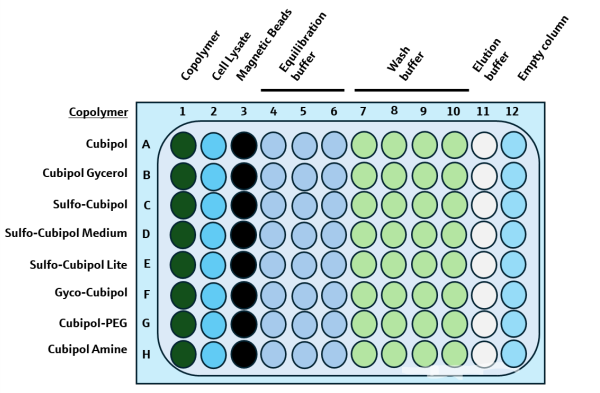
Figure 1. PlateX MP™ plate layout including eight copolymers. Image Credit: Analytik Jena
Method
Cube Biotech offers the entire PlateX MP™ methodology. The automated approach was validated (refer to the results section) with full walk-away capabilities. The system is plug-and-play, with user intervention required for initial CyBio FeliX deck setup and cell lysate addition to the PlateX MP™.
Briefly, the procedure phases include:
- Prepare cell lysate off-deck
- Resuspend lyophilized equilibration and wash buffer
- Resuspend elution buffer
- Two-step mixing of Cubipols and cell lysate
- Three equilibration cycles with magnetic beads
- Protein capture using copolymer-lysate and magnetic beads
- Four cycles of washing magnetic beads
- Two cycles for protein elution
- Transfer eluted proteins into 1.5 mL tubes
Aside from cell lysate production, the entire protocol was automated using the CyBio FeliX, which employed Analytik Jena CyBio Composer scripting software to create the method.
This CyBio FeliX approach is completely automated and can be executed using the Analytik Jena AppStudio program.
PlateX MP™ is intended for column-wise processing. The protocol was carried out using the CyBio FeliX CHOICE Pipetting Head and the 8-channel CHOICE Adaptor. Customers who use the CyBio FeliX R96/1000 µL Pipetting Head can also access the script.
Figure 2A shows the CyBio FeliX deck arrangement for the protocol, while the workflow is depicted in Figure 2B. The complete technique requires a single 96-tip package.
In brief, protein purification is accomplished in cycles of:
- Improve column loading
- Transfer reagents between PlateX MP™ columns
- Mix thoroughly using the BioShake 3000-T elm and pipettes
- Magnetic separation of beads
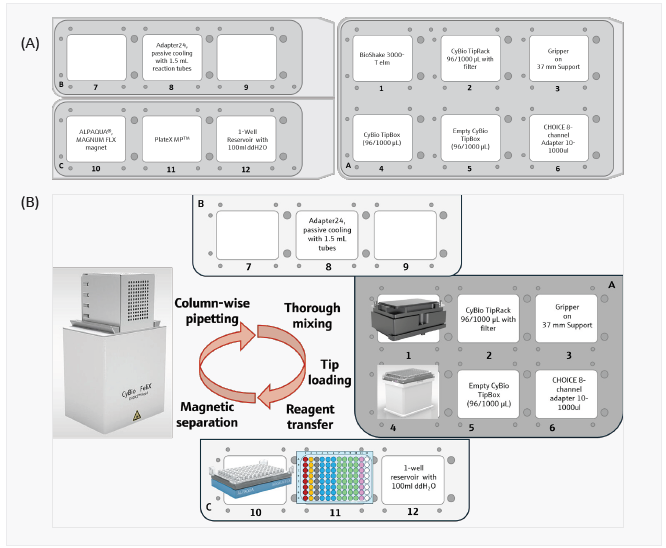
Figure 2. (A) Deck layout of CyBio FeliX; (B) Graphical representation of the method: cycles of tip loading, column-wise reagent transfer, mixing, and magnetic beads separation are performed by the CyBio FeliX (only part of the deck modules are represented). Image Credit: Analytik Jena
Results and Discussion
Cube Biotech and Orogen Therapeutics ran the CyBio FeliX automated process and analyzed purified proteins. Scientists from Orogen Therapeutics contrasted the automated and manual protocols using both a detergent-based and NativeMP™ technique.
While all human processes evaluated required three to four days to complete, the automated approach proposed in this article took less than three hours, allowing the operator to walk away to attend to other tasks.
The tip utilization is minimized to a single 96-tip box, which reduces consumable costs. Orogen Therapeutics produced and purified seven distinct GPCR proteins with varying molecular weights in insect cells.
Table 2 shows that the automated CyBio FeliX methodology yielded between two and 38 times more protein per gram of cells than the manual approaches. A higher yield of purified protein means not only smaller cell culture batches but also lower material costs, less effort for scientists, and more samples for downstream processing.
Two variables contributed to this outcome:
- Cube Biotech's innovative copolymers offer superior chemistry for purifying cell membrane proteins over standard methods
- The CyBio FeliX automation ensures efficient and uniform mixing of cell samples with polymers and magnetic beads. The CyBio FeliX performs prolonged and homogeneous mixing to maximize interactions and isolate the proteins of interest. The same result cannot be obtained manually through vortexing or tube shaking, which would require significant hands-on time
Table 2. Performance data of manual detergent-based, manual copolymer-based, and CyBio FeliX copolymer-based purification of seven GPCR proteins. For each protein (from one to seven), the molecular weight (MW kDa) is listed alongside the amount of insect cell culture (g) and yield (µg) obtained with the manual detergent-based (Yield db), manual copolymer-based (cb), and automated CyBio FeliX protocols. The amount of purified protein per gram of cells (Yield µg/g of insect cells) obtained with the manual and automated protocols is listed for each protein alongside the fold improvement obtained with the CyBio FeliX automation, proteins purified by CyBio FeliX automation with respective tags and protein class. Source: Analytik Jena
| Protein |
MW kDa |
Manual |
CyBio FeliX |
Yield (µg)/g of insect cells |
Yield of fold improvement |
Biomass reduction |
| g of insect cells |
Yield db (µg) |
Yield cb (µg) |
g of insect cells |
Yield (µg) |
Manual |
Automated |
| 1 |
58 |
132 |
118 |
|
22 |
70 |
0.9 |
3.2 |
3.6 |
6.0 |
| 2 |
66 |
142 |
600 |
|
13 |
86 |
4.2 |
6.6 |
1.6 |
10.9 |
| 3 |
81 |
108 |
|
54 |
5 |
75 |
0.5 |
15.0 |
30.0 |
21.6 |
| 4 |
101 |
144 |
|
50 |
7 |
75 |
0.3 |
10.7 |
30.9 |
20.6 |
| 5 |
83 |
155 |
|
56 |
6 |
82 |
0.4 |
13.7 |
37.8 |
25.8 |
| 6 |
71 |
93 |
|
88 |
5 |
43 |
0.9 |
8.6 |
9.1 |
18.6 |
| 7 |
69 |
136 |
|
140 |
5 |
66 |
1.0 |
13.2 |
12.8 |
27.2 |
Orogen Therapeutics also performed a Western blot analysis on the isolated protein to assess the approaches' performance.
When used on the CyBio FeliX liquid handler, different copolymers isolate the same protein free of non-target molecules, but the overall results are comparable to or better than those of typical manual detergent-based purification (Figure 3A). Manual and automated copolymer purification yield similar results (Figure 3B).
The protein tag and nanodisk have no effect on the size of purified proteins using Cube Biotech copolymers. Although purified proteins are coupled to tags, the tags are small and have no effect on the protein's functionality.
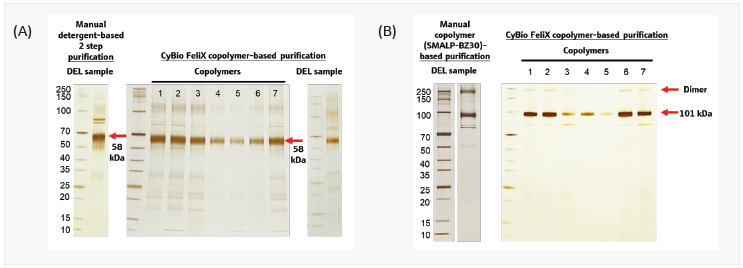
Figure 3. Western blot results of proteins purified with manual methods compared with CyBio FeliX automation. (A) Protein one (58 kDa GPCR) purified with detergent-based two-step and CyBio FeliX copolymer-based methods. (B) Protein four (101 kDa GPCR) purified with manual copolymer-based and CyBio FeliX copolymer-based methods. Image Credit: Analytik Jena
Cube Biotech examined the concentration, aggregation, and thermal stability of all eight proteins purified using the CyBio FeliX copolymer-based technology. The results for P2X4 are presented in Figure 4, which was also used for cryo-EM 3D reconstruction and structural determination (Figure 5).
The concentration of the purified protein with each copolymer was calculated by detecting the intrinsic fluorescence at 330 nm and comparing it with a BSA standard curve generated under identical conditions (Figure 4A).
The results reveal that each copolymer yields a high concentration of protein with good purity, making it appropriate for further investigation.
The aggregation of pure proteins was analyzed using dynamic light scattering (DLS). For all studied proteins, the polydispersity index and size distribution indicate a homogeneous protein population stable in the native lipid environment with low aggregation (Figure 4B).
To investigate the heat stability of isolated proteins, nanoDSF was employed. Figure 4C shows that depending on the copolymer chemistry, the physicochemical properties of the purified protein might vary significantly.
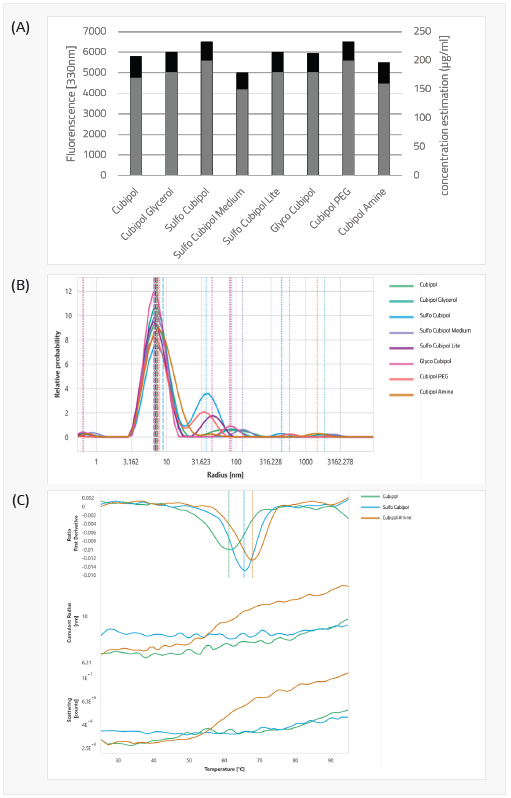
Figure 4. Analysis of concentration, aggregation, and thermal stability of purified P2X4. (A) Intrinsic fluorescence analysis; (B) dynamic light scattering (DLS); (C) NanoDSF. Image Credit: Analytik Jena
The suitability of P2X4 for Cryo-EM was determined immediately upon purification by assessing its favored particle orientation.
As in previous investigations, different copolymer chemistries can influence the protein's preferred particle orientation. In the described method, P2X4 purified using Cubipol Glycerol copolymer exhibited a balanced angular distribution, enabling three-dimensional reconstruction (Figure 5).
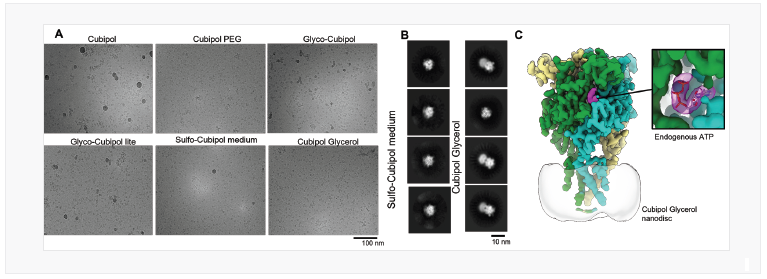
Figure 5. P2X4 Cryo-EM suitability analysis and three-dimensional structure determination. (A) Cryo-EM micrographs for six different P2X4-copolymer combinations, illustrating copolymer-dependent differences in particle behavior and orientation; (B) Representative 2D class averages obtained from datasets collected for Sulfo-Cubipol medium and Cubipol glycerol; (C) Three-dimensional reconstruction obtained from the Cubipol glycerol-stabilized P2X4 sample. Endogenous ATP, co-purified with P2X4, is clearly resolved (highlighted in magenta). Image Credit: Analytik Jena
Summary
Traditional solvent-based membrane protein purification technologies have hampered research and development by complicating protocols, constraining experimental settings, yielding inconsistent results, and reducing project success rates.
CyBio FeliX automation of Cube Biotech's NativeMP™ copolymers and PlateX MP™ technique has transformed the research of cell membrane proteins by making purification rapid, consistent, and efficient.
The automated technique is completely walk-away and takes only a few hours to complete, compared with the days required by previous approaches.
NativeMP™ eliminates the need for detergents, allowing the purification of stable proteins in their original tridimensional structures. Thus, when compared with solvent-based approaches, copolymer-based purification provides samples that are closer to their in vivo environment and can yield more biologically significant results in downstream analysis.
When compared to manual procedures, the CyBio FeliX automation produced much higher yields of pure protein. In addition, stability experiments revealed that nanodisk-embedded proteins remain stable under harsher conditions.
This automated PlateX MP™ approach optimizes the selection of the best copolymer for each protein and subsequent experiment. This is especially important in sensitive and expensive experiments like cryo-EM, which require the best copolymer backbone and protein physicochemical properties.
Most importantly, this workflow demonstrates how CyBio FeliX and PlateX MP™ can accelerate the achievement of biologically significant results and project success by transforming purification into a routine, scalable process that delivers high protein yields for direct use in downstream analysis, where high-quality samples are required.
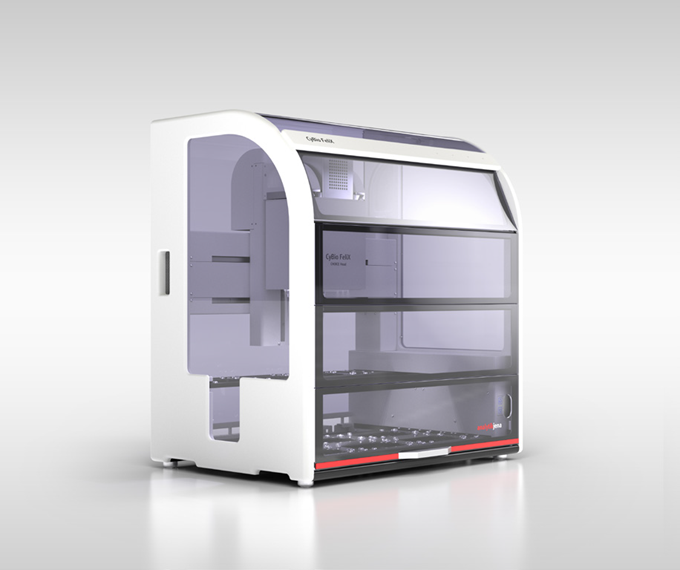
Figure 6. CyBio FeliX Basic Unit with CHOICE Head. Image Credit: Analytik Jena
Recommended Device Configuration
Table 3. Overview of devices, accessories and consumables. Source: Analytik Jena
| Article |
Article number |
Description |
| CyBio FeliX Basic Unit with Enclosure |
OL5015-25-100 |
Flexible and fully automatic multi-channel pipetting robot with enclosure |
| CyBio FeliX CHOICE Head |
OL3316-14-250 |
Flexible pipetting head for fully automated single- to multi-channel pipetting on the CyBio FeliX Liquid Handler |
8-channel CHOICE Adapter;
10 µL -1000 µL |
OL3316-14-330 |
Allows simultaneous aspiration and dispensing with eight channels over a 10–1000 µL volume range |
| CyBio FeliX Cable Set |
30-5016-385-23 |
This Cable set includes all necessary items when using one to three QInstruments devices on the CyBio FeliX deck. |
| Gripper |
OL3317-14-800 |
For transporting microplates on the deck of CyBio FeliX |
| TipRack 96/1000 µL |
OL3317-11-140 |
Reusable metal rack for 1000 µL pipetting tips |
| Adapter 24 tubes, passive cooling function |
844-00136-0 |
With passive cooling function for up to 24 tubes |
| CyBio TipRack 96/1000 µl PSF [24]; TipRack, PCR-certified, pre-sterilized, filter |
OL3811-25-878 |
Single-use rack for 1000 µL pipetting tips |
| QInstruments BioShake 3000-T elm |
QINSTRUMENTS-
2016-0517 |
Microplate ThermoShaker for Robots |
| Mounting Kit; BioShake 3000 Series |
OL3317-23-692 |
Mounting kit for HeatPlate, ColdPlate, BioShake 3000 elm und BioShake 3000 T-elm on CyBio FeliX deck A positions one to six |
QINSTRUMENTS Adapter
DW - 96 wells, v-bottom, 2.2 mL |
848-2016-1214 |
Adapter for 2.2 mL deep well plates with square well and v-bottom for use with Bioshake T-Elm Generation 2 |
| ALPAQUA® MAGNUM FLX™; Universal Magnet Adapter |
OL3317-11-285 |
Spring-loaded ring magnet adapter for 96-well plates |
References and Further Reading
- Hanisch, P.T., et al. (2025). Membrane proteins at scale: Automated copolymer nanodisc purification for structure and function. DOI:10.1101/2025.09.05.674548. https://www.biorxiv.org/content/10.1101/2025.09.05.674548v2.
Acknowledgments
Analytik Jena Applications Scientists created this protocol, which is intended solely for research purposes. Users are responsible for assessing if the protocol is suitable for their application.
For further information, contact the application team at [email protected]. Cube Biotech developed and owns the intellectual property for NativeMP™ and PlateX MP™.
The CyBio FeliX automated technique was created by Kaja Reiffert (Cube Biotech), Stefano Manduzio (Analytik Jena), and Brian Seitz. Protein analysis was carried out by Kaja Reiffert (Cube Biotech), Artem Evdokimov (Orogen Therapeutics), and Valentina Shchedrina.

This information has been sourced, reviewed, and adapted from materials provided by Analytik Jena.
For more information on this source, please visit Analytik Jena.