X-ray fluorescence is a non-destructive analytical method for determining the elemental composition of a variety of materials.
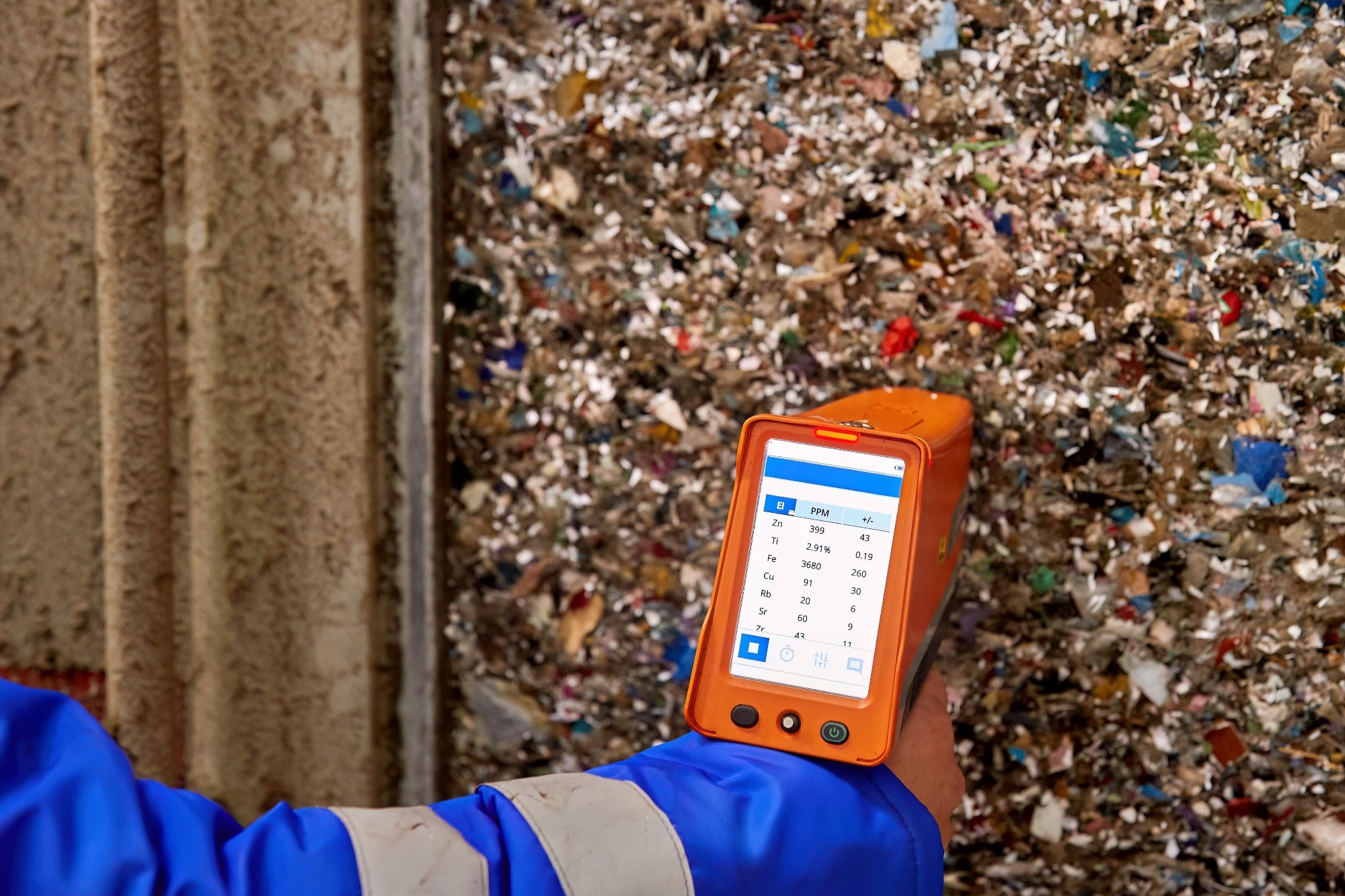
Image Credit: Martin Mecnarowski/Shutterstock.com
It is commonly used in geology, mining, and industrial manufacturing to analyze solids and liquid materials such as metals, minerals, and plastics. Knowing how to interpret XRF results is essential for any scientist, and this article provides an outline on how to do so.
What is XRF?
When high-energy radiation excites a substance, it emits X-ray fluorescence. The stimulated material emits fluorescence, which creates a unique 'fingerprint' that may be used to evaluate the material's chemical composition.
It is a highly advantageous approach that does not damage or disturb a sample and can be applied to any element on the periodic table.
How are XRF Results Interpreted?
An XRF analyzer translates X-ray fluorescence for processing. These instruments include an X-ray source, a signal processor, a central processing unit, and a detector that all work together to analyze and display data for the operator.
The detector is the main component that detects energy and determines the presence and quantity of components.
When high-energy rays are directed at a material, they stimulate atoms within it, causing the electrons in their atomic shell to shift out of position. The displaced electrons are replaced by external electrons with a higher energy level, ensuring the atoms' electrical stability.
Electrons return to their steady state by releasing energy in the form of photons with energy equal to the electron's initial and final states.
The XRF analyzer's processing unit receives the X-ray spectrum and turns it into legible results. XRF generates three categories of data: quantitative, semi-quantitative, and qualitative.
Qualitative Data
Qualitative data acquired from XRF results reveal the elements present in a sample. The XRF detector will count fluorescent X-rays and present the results graphically.
Quantitative Data
Quantitative data fills in the gaps left by qualitative outcomes. This data shows both the elements and the quantities in which they are present. Calibrating such XRF devices is critical to retrieve the most accurate data.
To interpret XRF data, the analyst must first understand the signals produced by the sample, which should then be plotted on an energy vs. intensity graph. The findings obtained from the XRF spectra are mostly determined by what you need, but they also vary depending on the analyzed sample.
XRF With XRF Scientific
XRF Scientific manufactures equipment and chemicals for construction, mining, and commercial labs worldwide. Its technology assists scientists in analyzing a substance's composition and is also utilized for product and quality control procedures.

This information has been sourced, reviewed, and adapted from materials provided by XRF Scientific.
For more information on this source, please visit XRF Scientific.