Academic, government, and commercial labs carry out many different kinds of tasks that involve measuring gases. While it is impossible to detail every possible use case, they have many characteristics in common.
Student Education
Teaching programs in educational settings such as schools, technical colleges, and universities typically follow the same schedule every year. This often involves straightforward experiments that demonstrate gaseous phenomena, such as carbon dioxide production by yeast during fermentation, analyzing exhaled breath, observing a flame’s oxygen consumption, or showing how plants produce oxygen and absorb carbon dioxide.
In these settings, the analyzer needs to be either easy to use if students are to operate it or protected from being tampered with if they are not allowed to use it. The unit may be left unused over long periods of time, as it may only be needed for certain parts of the curriculum.
This means that it should be easy to remove from storage and require little maintenance. In these cases, it may be difficult to maintain analyzers equipped with electrochemical sensors, as the cell will deplete while in storage, meaning the lab technician needs to be reminded to order replacements before experiments can be conducted. Analyzers with paramagnetic sensors are not impacted in this way and are thus known to be significantly easier to work with and maintain.
The extra properties in the SERVOFLEX MiniMP 5200, like the ability to connect through the RS 232 port directly to standard PC software, are extremely helpful for these kinds of users. Quickconnect fittings alongside the option of an internal pump or AFCD simplify sampling, while three selectable levels of password protection enable calibration and restriction of alarm settings.
Routine Testing
Some companies regularly conduct in-house gas analysis, while contract laboratories provide testing services for industrial and other types of clients. In both instances, it is essential for them to quickly provide reliable data with high repeatability and next to no specialist staff training.
Unlike electrochemical cell-based analyzers, the Servomex SERVOFLEX MiniMP 5200 is credible because it uses the same measurement approach to produce industrial gases and validation reports, showing its superiority to chemical analysis.
The SERVOFLEX MiniMP 5200 also costs less to run electrochemical approaches and offers significantly more flexibility than “benchtop” 0-100 % oxygen analyzers, which background gases may impact. The last point is especially significant as contract labs do not know what they may be asked to examine in the future.
Other features that are key to these users include the small footprint, easy-to-clean case and keypad, and simplicity of operation. The printer option or RS-232 output might also be beneficial for confirming results to clients.
Research
Scientists exploring novel processes or phenomena seek to go beyond the boundaries of what is already known. For their findings to be taken seriously by the scientific community, their means of experimentation should be explained, and their results should be replicable by others.
As a research project can take many months or years to bear fruit, during the experimental period, measurement cell(s) will likely need to be replaced before projects can be completed in the case of electrochemical or chemical detector-based analyzers.
Chemical cells vary significantly between batches or manufacturers, and storage conditions and duration can impact performance. These issues raise questions around the repeatability of experimental results.
At the same time, Servomex infrared and paramagnetic measuring cells meet exacting quality standards and, if appropriately treated, do not need to be replaced for many years. Servomex sensors are extremely stable and usually have lifetimes exceeding four years of continual use. By comparison, competitors' chemical and electrochemical cells last between one and two years.
For confidence in the reliability of study conclusions, researchers need to calculate the magnitude and effects of possible sources of error. With a paramagnetic analyzer, an error is indicated by the analyzer’s accuracy, alongside any known effects of the few weakly interfering gases (on the SERVOFLEX MiniMP 5200, an offset correction factor can be brought in to minimize this).
When measuring oxygen with an electrochemical analyzer, the user must assess whether the chemicals used in the experiment are compatible with the specific type of cell. Incompatible substances can trigger side reactions, leading to inaccurate readings or even damage to the cell through poisoning.
As with zirconia cell-based analyzers, readings may be affected if the sample contains combustible parts. The presence of acidic gases or silicates may also considerably reduce sensor lifetime.
The same questions should be posed when assessing methane, carbon dioxide, or carbon monoxide. Infrared sensors give components specific measurements, and the impact of different background parts is easy to check and calculate if necessary.
With significantly less predictability, readings indicated on thermal conductivity or pellistor-based analyzers will vary according to the parts in the sample background. Chemical test kits / paper tapes can be negatively impacted by temperature and ambient lighting.
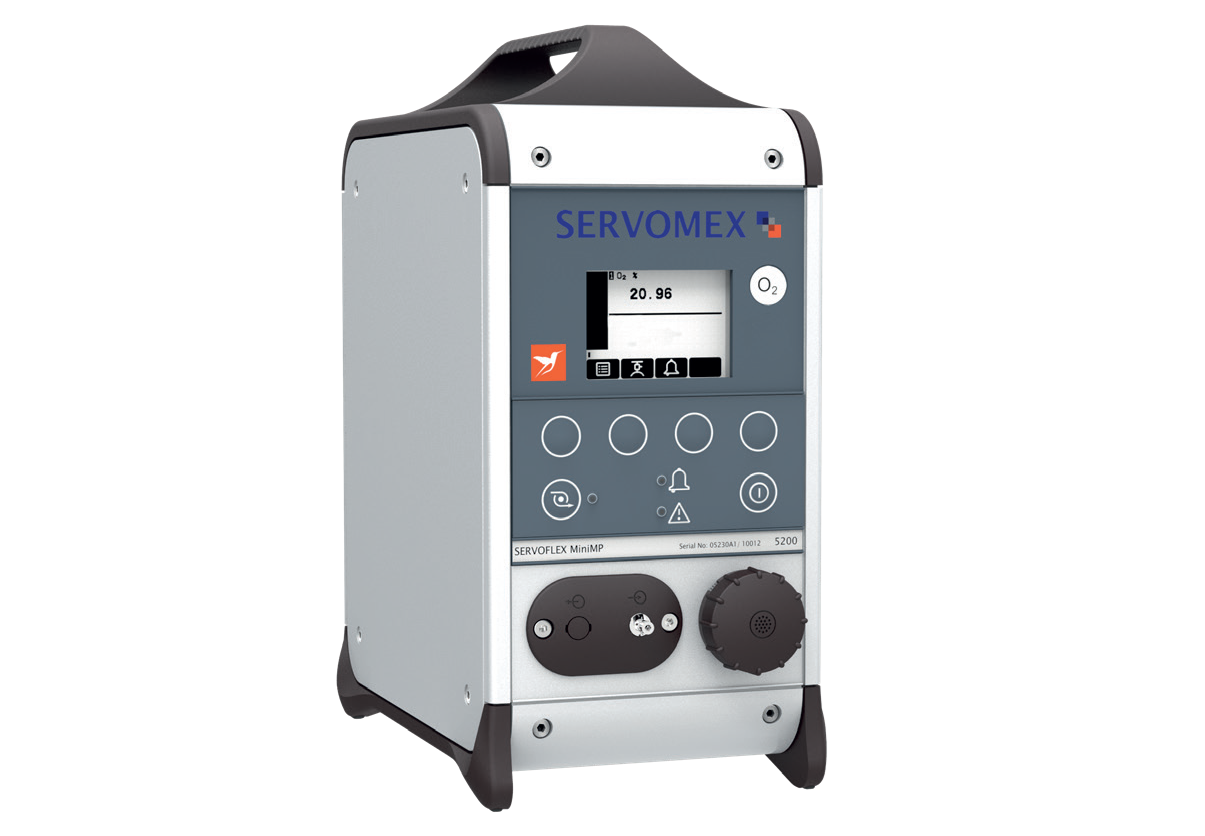
Image Credit: Servomex
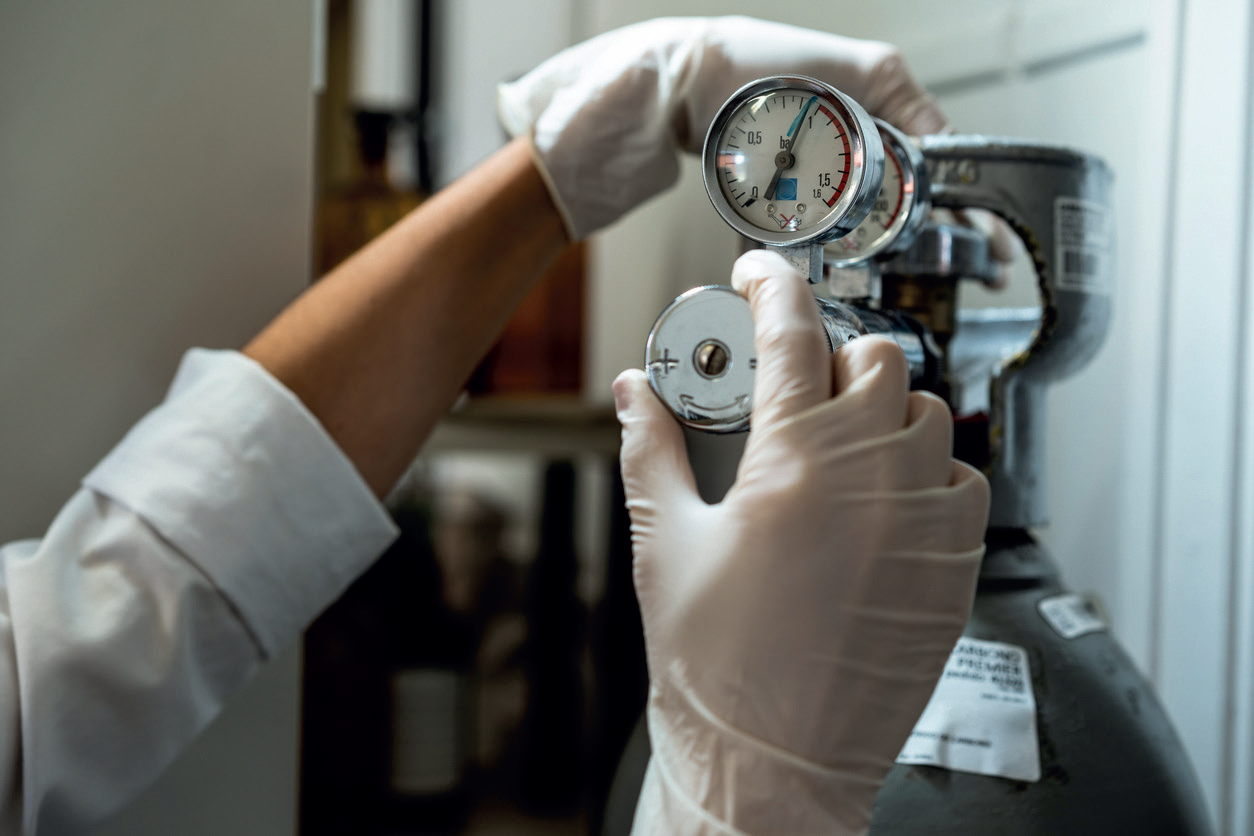
Laboratory usage. Image Credit: Servomex

This information has been sourced, reviewed and adapted from materials provided by Servomex.
For more information on this source, please visit Servomex.