Precision, efficiency, and sustainability are critical in today’s manufacturing landscape. Induction heating has become an important tool across a range of industries, from aerospace to automotive.
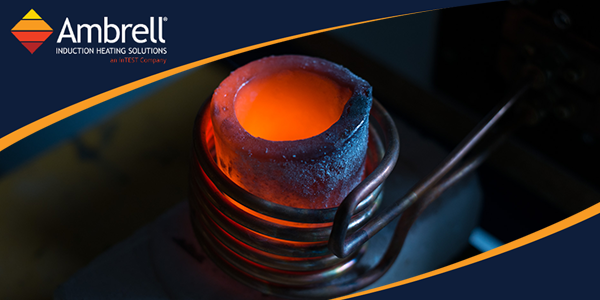
Image Credit: Ambrell Induction Heating Solutions
This process uses electromagnetic fields to heat electrically conductive materials, and its accuracy, speed, and eco-friendly profile are making induction heating increasingly attractive to manufacturers.
This article examines the top nine benefits of induction heating in a manufacturing environment.
1. Energy Efficiency
Induction heating far surpasses the energy efficiency of traditional methods like gas or resistance heating, converting up to 90 % of electrical energy into heat. This efficiency is crucial for reducing energy bills and supporting manufacturers' efforts to achieve carbon neutrality goals.
2. Faster Heating and Rapid Production Cycles
Induction heats the part directly, typically in a matter of seconds. This approach differs from traditional furnaces, which work by heating the surrounding environment, resulting in higher throughput, shorter cycle times, and enhanced productivity.
3. Precise, Repeatable Heating
Induction heating delivers targeted heat precisely where it is required, ensuring a consistent, high-quality result while minimizing distortion. This precision is crucial for many medical applications and other components that require the maintenance of tight tolerances.
4. Enhanced Workplace Safety
Induction utilizes minimal hot surfaces and does not require open flames or combustion gases. This means that induction heating significantly reduces fire hazards and operator risks compared to furnace or torch methods.
5. Clean and Environmentally Friendly
Induction heating features no fumes, smoke, or harmful emissions. This clean process supports sustainability initiatives, reduces a manufacturer’s carbon footprint, and creates a healthier workplace.
6. Reduced Operating Costs
Induction heating is highly cost-effective due to its reduced maintenance requirements, minimal downtime, and potential for energy savings. Lower energy bills and improved productivity mean that many manufacturers report a return on investment within a couple of years, with some utilities also offering electrification incentives.
7. Prolonged Equipment Life
Induction heating is a localized and non-contact process, which reduces wear and tear on tooling and fixtures. This extends equipment life while reducing replacement costs.
8. Versatility Across Applications
Induction heating supports a diverse array of processes, including brazing, forging, shrink fitting, and heat treating. The adaptability of this process is central to a wide range of industries, from the automotive and aerospace sectors to the production of semiconductors, medical devices, and electronics.
9. Improved Product Quality
Precise temperature control results in a reduction of defects, uniform heating, and improved metallurgical properties. This ensures better surface finishes, stronger joints, and improved overall quality.
Conclusion
Induction heating is more than a technological upgrade; it represents a strategic investment in safety, efficiency, and sustainability. Induction heating offers a viable path toward reduced costs, improved productivity, or the achievement of green targets.
Acknowledgments
Produced from materials originally authored by Ambrell Corporation.
This information has been sourced, reviewed and adapted from materials provided by Ambrell Induction Heating Solutions.
For more information on this source, please visit Ambrell Induction Heating Solutions.