Natural gas quality monitoring is becoming increasingly critical as pipeline operators, gas producers, and biomethane facilities work to maintain compliance, protect infrastructure, and ensure reliable energy delivery. In a previous interview with ABB, Stéfan Parmentier, Global Product Manager for Industrial ICOS at ABB, explored the capabilities of the Sensi+ analyzer and how its ICOS-based technology supports accurate impurity monitoring in natural gas systems.
In this follow-up discussion, Stéfan Parmentier returns to discuss the evolution of the platform with the newly designated Sensi+ NG analyzer. With the addition of simultaneous measurements for H2S, H2O, CO2, and O2, along with improved connectivity and simplified maintenance features, the latest version is designed to support modern natural gas and biomethane operations. In this interview, Stéfan Parmentier explains why oxygen monitoring has become increasingly important, how multi-gas analysis can reduce operational complexity, and what operators can expect from the next generation of gas quality monitoring technology.
Sensi+ NG now measures H2S, H2O, CO2, and O2 simultaneously. Why was oxygen measurement prioritized, and what new application areas does this enable compared to the previous model?
The measurement of oxygen in natural gas and biomethane was on the roadmap since the beginning of the product design phase. Measuring four common impurities in natural gas with one single analyzer is a market differentiator, and we wanted to use the success of Sensi+ over the last three years. Oxygen measurement is performed at key natural gas monitoring stations on midstream natural gas pipelines, at tie-ins from gas producers, and at custody transfer points. Also, biogas producers want to monitor the biomethane gas quality after “upgrading”, i.e after excess of impurities has been removed and before biomethane is injected into the pipeline grid.
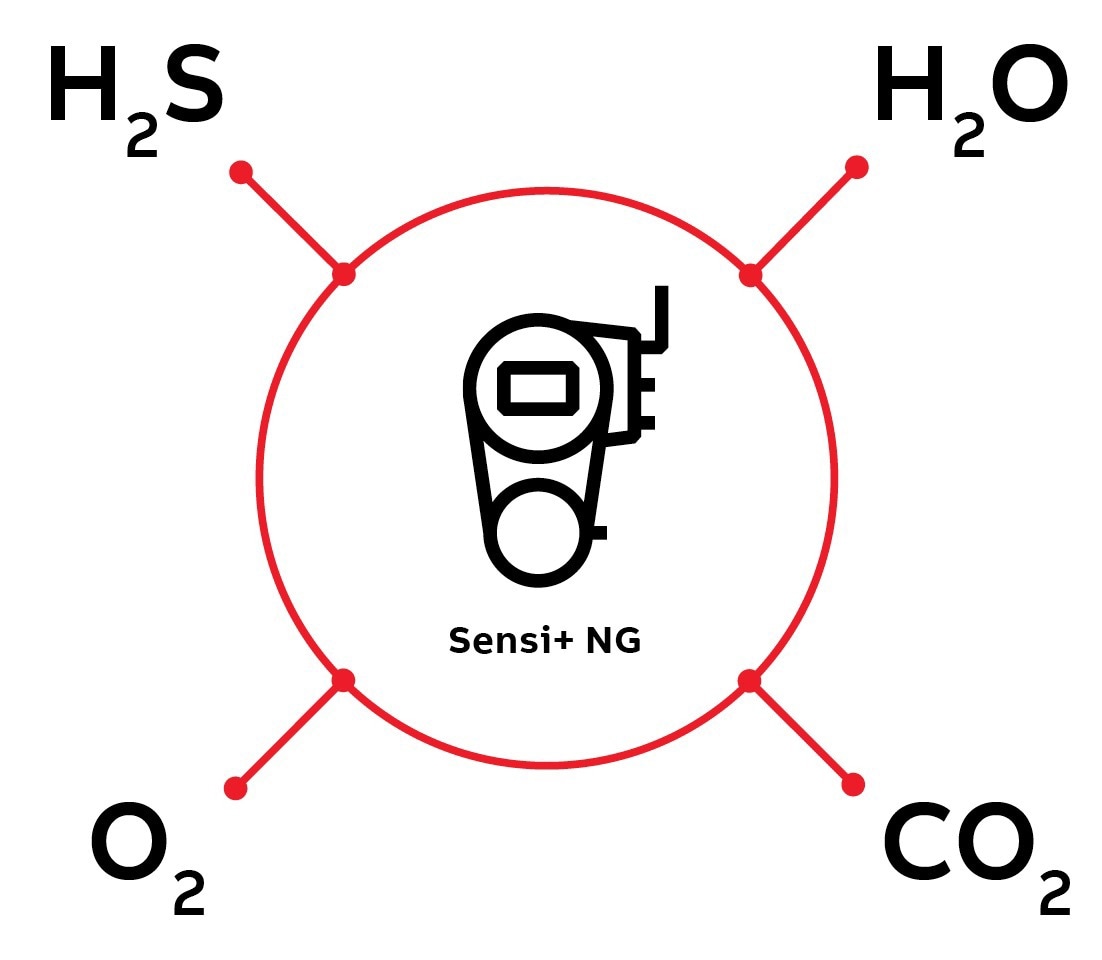
Image Credit: ABB Measurement & Analytics
In addition to oxygen measurement, can you highlight another significant improvement introduced in Sensi+ NG?
The condition monitoring of the analyzer has been simplified thanks to a dynamic QR code displayed on its front display. Scanning the dynamic QR code with your mobile phone instantaneously generates a health report of the analyzer in PDF format. The report details the analyzer's condition and highlights what will soon require maintenance.
Installation and startup are described as simple and fast with Sensi+ NG. What features enable streamlined commissioning, configuration, and integration with process systems?
Sensi+ is simple and straightforward to install and commission for many reasons: Sensi+ is calibrated in factory and it doesn’t need recalibration at the time of installation, the initial configuration takes only a couple of minutes thanks to a modern, simple software. Moreover, Sensi+ is C1D1 certified, and its explosion-proof enclosure allows installation in a location with explosive atmosphere, easing requirements (and lowering costs) for monitoring shelters or buildings. Of course, having the ability to measure 4 contaminants with 1 single analyzer saves on physical space and simplify the gas conditioning, both contributing to make installation and commissioning straightforward.
One of the standout claims is that Sensi+ NG requires no periodic calibration. How is long-term measurement stability achieved, and what maintenance routines remain necessary?
No calibration is a key standout point. This aspect has been carefully taken into account during the design phase of the analyzer, but it is also an advantage of ICOS technology Sensi+ relies on. Actually, we found that no calibration is required after a full year of operation. We still recommend users to perform a validation of the analyzer from time to time, so that they gain confidence in long-term stability. Another key feature is that Sensi+ NG measurements are not impacted by variations in natural gas composition over time. It means Sensi+ will measure impurities accurately upon installation and keep measuring accurately afterward.
Remote HMI and connectivity have become increasingly important. How does Sensi+ NG support remote monitoring, predictive maintenance, and integration with broader digital or SCADA systems?
The Sensi+ NG software interface is HTML-based, meaning users can remotely connect to the analyzer from their office, a control room, or even home. It massively eases remote monitoring and integration with larger systems.
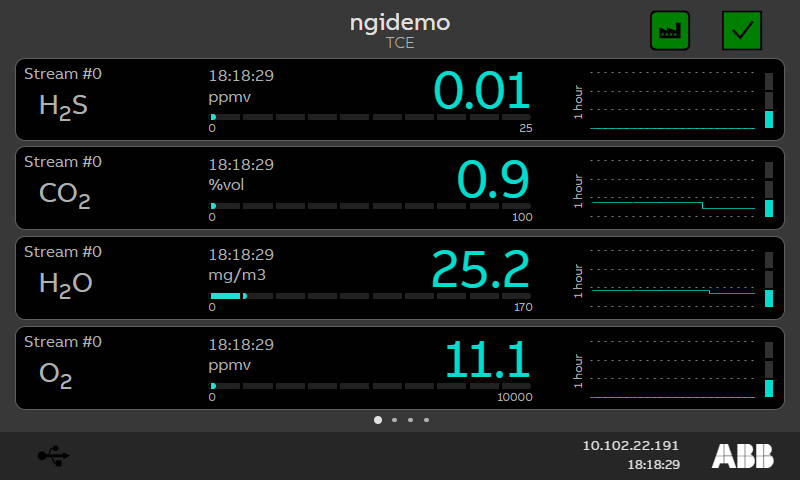
Image Credit: ABB Measurement & Analytics
What quantifiable gains can operators expect in terms of uptime, cost savings, and environmental performance compared to traditional or earlier single-gas analyzers?
First, Sensi+ is a multi-gas analyzer, so right from the start, operators will save money on the analyzer itself and on installation, required footprint, sampling system, etc. One of the key features of Sensi+ NG compared to other technologies is that it requires no consumables: no scrubbers, no chemicals, no liquids, no tape, no UV lamp, no carrier gas, no purge gas, nothing! It translates into lower operational costs, but also much simpler operations, as they don’t need to schedule consumable replacements, which costs technician time. It also becomes a great advantage when operating in remote areas. All this quickly translates into massive operational savings for the user.
Second, Sensi+ requires very low maintenance, and it’s been designed for field serviceability. No need to return the analyzer to service center for maintenance, maximizing analyzer uptime and reducing overall cost of operation.
Looking ahead, how does Sensi+ NG fit into ABB’s wider gas analysis strategy, and what future developments can we expect in terms of added measurement capabilities or digital functionality?
Sensi+ NG is a key component of ABB's portfolio for the natural gas and biomethane industries. ABB recently launched GC Pro, our new gas chromatograph. ABB is committed to providing the energy industry with the best possible analyzers. We are constantly exploring other challenging measurement that the industry is facing, such as with emerging carbon capture, utilization and storage (CCUS) applications.
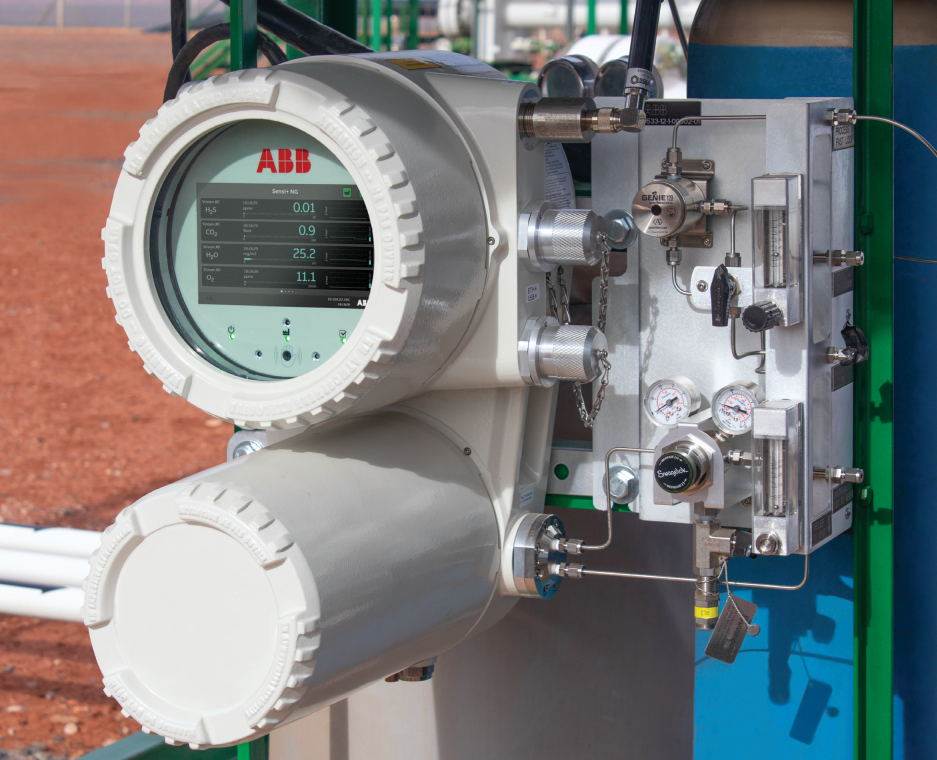
Image Credit: ABB Measurement & Analytics
About Stéfan Parmentier
Stéfan Parmentier is the Global Product Manager for Industrial ICOS at ABB. He holds both a bachelor’s and a master’s degree in engineering and has extensive experience designing high-tech products across several advanced technology fields, including optoelectronics and lasers, implantable biomedical devices, and instrumentation for the non-destructive testing industry.
Throughout his career, Stéfan has focused on aligning product development with a deep understanding of customer needs and broader business strategy. In recent years, he has held a range of management roles, including international leadership positions in fast-growing business environments. These experiences have enabled him to further develop his management and leadership capabilities, guiding international teams and supporting the achievement of key corporate objectives.
About ABB
ABB is a leader in power and automation technologies that enable utility and industry customers to improve performance while lowering environmental impact. The ABB Group of companies operates in around 100 countries and employs about 145,000 people.
ABB’s capability embraces one of the largest process, emissions & laboratory analyzer portfolios in the world, performing real-time analysis of the chemical composition and/or physical properties of a process sample or stream.
ABB’s advanced solutions combine analyzers, advanced process control, process and application knowledge to improve process performance, productivity, capacity and safety of our customers processes.

This information has been sourced, reviewed and adapted from materials provided by ABB Measurement & Analytics.
For more information on this source, please visit ABB Measurement & Analytics.
Disclaimer: The views expressed here are those of the interviewee and do not necessarily represent the views of AZoM.com Limited (T/A) AZoNetwork, the owner and operator of this website. This disclaimer forms part of the Terms and Conditions of use of this website.