Steam cracking furnaces use extreme temperatures and pressures to convert feedstocks into ethylene, propylene, and other basic products. While the vast majority of process lines move huge volumes of gas, accurate control of analyzers in sample streams can reveal crucial insights into a plant's efficiency and safety.
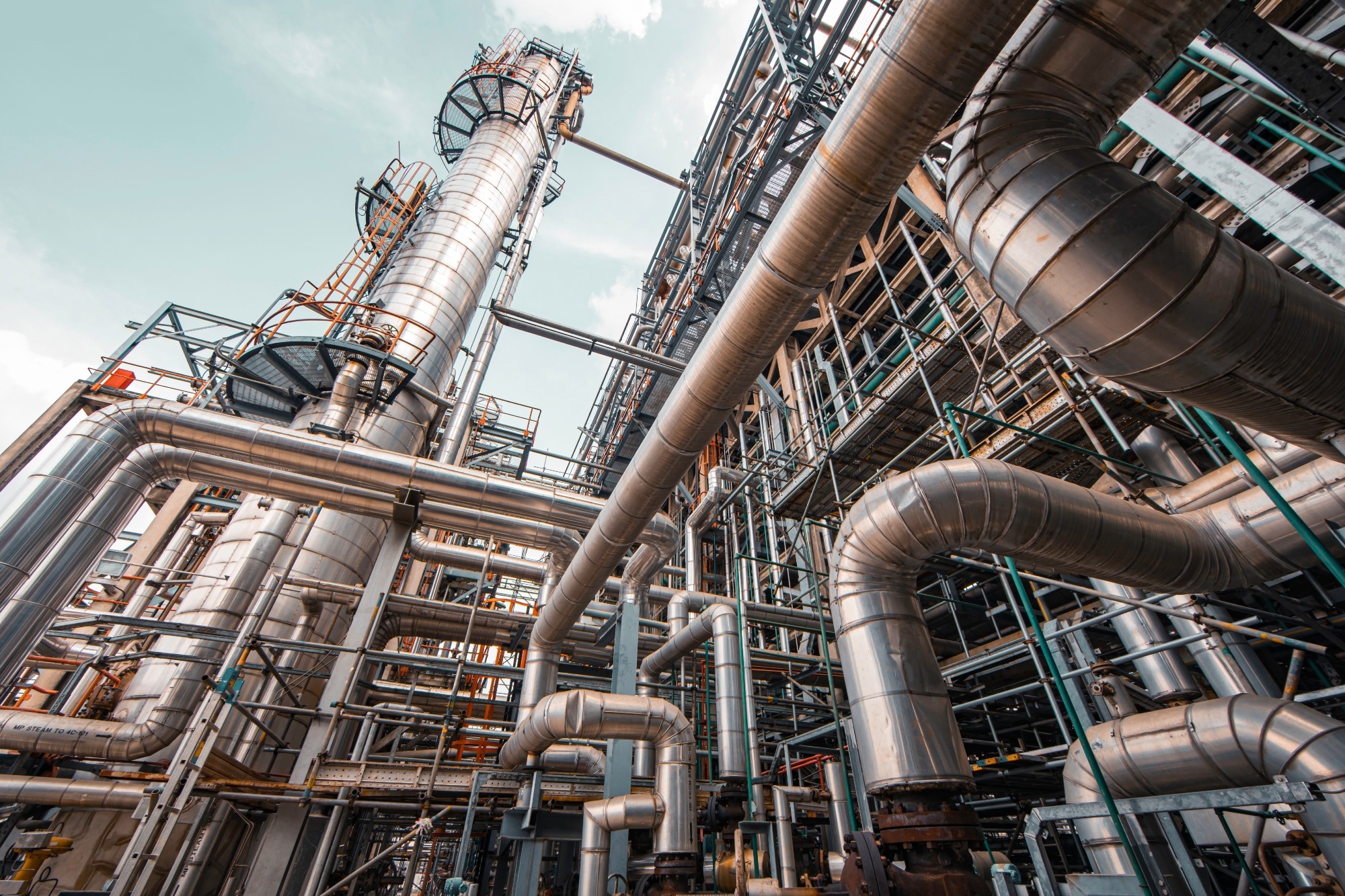
Image Credit: noomcpk/Shutterstock.com
If a sample system cannot properly control flow and pressure to its analyzers, the overall process will suffer. Poorly managed systems that are unable to reduce pressure and temperature, remove condensed liquids and particles, or maintain consistent flow will lead to inaccuracies in their analyzers.
As a result, the instrumentation used to manage sample conditions must be repeatable, accurate, and sufficiently independent not to jeopardize yield, safety, or availability.
Efficient, upgraded sample loops are part of a larger shift in how petrochemical facilities are staffed and managed. As automation and remote monitoring advance, fewer technicians are stationed full-time in analyzer shelters or compressor stations.
When problems arise, they move their responsibilities to strategic oversight, remote diagnostics, and troubleshooting. In this environment, equipment must provide accurate samples and relevant data to support decision-making without requiring frequent manual adjustments.

This information has been sourced, reviewed, and adapted from materials provided by Alicat Scientific.
For more information on this source, please visit Alicat Scientific.