Per- and polyfluoroalkyl substances (PFAS) are a significant group of synthetic chemicals manufactured in large quantities and used extensively for decades in industrial operations and consumer goods. Their key benefit stems from their distinctive chemical properties, including oil- and water-repellency, thermal resilience, and surfactant capabilities.
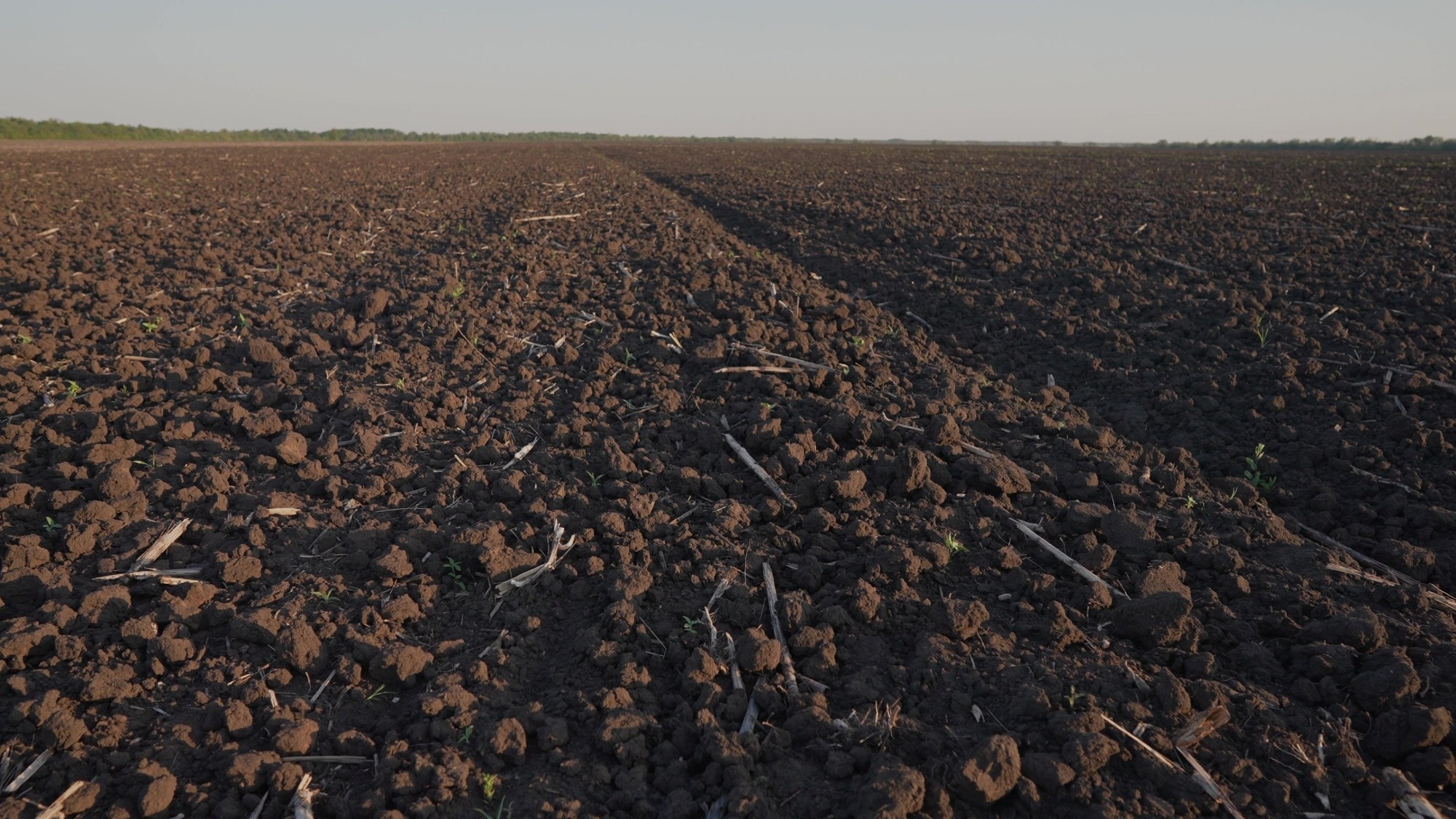
Image Credit: ibragimova/Shutterstock.com
Nevertheless, the very characteristics that render PFAS commercially advantageous - such as exceptional stability and resistance to natural degradation - also contribute to their considerable persistence in the environment.
Soil is one of the primary environmental reservoirs of PFAS, with the highest concentrations typically found at locations affected by the application of aqueous film-forming foams (AFFF), such as firefighting training areas or airports, followed by regions proximate to fluorochemical manufacturing plants.
Once present in soil, PFAS can migrate into groundwater, broadening their environmental reach far beyond the original contamination site. Due to their toxicity, this presents a considerable hazard to both human health and ecological systems. Consequently, effective PFAS monitoring strategies are paramount for addressing long-term environmental and health risks.1-2
References
- Mattila, J.M., et al. (2024). Characterizing Volatile Emissions and Combustion Byproducts from Aqueous Film-Forming Foams Using Online Chemical Ionization Mass Spectrometry. Environmental Science & Technology. DOI: 10.1021/acs.est.3c09255. https://pubs.acs.org/doi/10.1021/acs.est.3c09255.
- Ehsan, M.N., et al. (2024). PFAS contamination in soil and sediment: Contribution of sources and environmental impacts on soil biota. Case Studies in Chemical and Environmental Engineering, (online) 9(100643), p.100643. DOI: 10.1016/j.cscee.2024.100643. https://www.sciencedirect.com/science/article/pii/S2666016424000379?via%3Dihub.
Read Next
- Tofwerk's In-focus Blogpost on PFAS in ambient air: https://www.tofwerk.com/measuring-volatile-pfas-in-new-jersey/
Acknowledgments
Produced using materials originally written by Spiro Jorga and Veronika Pospilova from TOFWERK, and Søren Erikson from Veolia.

This information has been sourced, reviewed, and adapted from materials provided by TOFWERK.
For more information on this source, please visit TOFWERK.