Sponsored by RETSCH GmbHReviewed by Emily MageeMay 4 2026
Technical ceramics, also known as advanced ceramics, have become essential materials for modern industrial and scientific applications. Their remarkable mechanical strength, chemical resistance, thermal stability, and electrical qualities enable them to outperform traditional materials in harsh environments.
Due to these properties, technical ceramics are widely used in several industries, including energy technology, aerospace, electronics, automotive engineering, medical devices, and advanced materials research.
The exceptional performance of technical ceramics, however, is inseparably connected to the challenges associated with their processing. Their brittleness, hardness, and abrasion tolerance make it difficult to perform size reduction, homogenization, and sample preparation.
Controlled, efficient, and contamination-free comminution procedures are, therefore, crucial for producing reliable analytical results and reproducible manufacturing processes for materials including aluminum oxide (Al2O3), zirconium oxide (ZrO2), silicon carbide (SiC), and silicon nitride (Si3N4).
Offering a thorough introduction of technical ceramics from a processing standpoint, this article:
- Describes why pre-crushing and grinding are necessary
- Identifies appropriate milling procedures for challenging ceramic materials
- Explores how current system solutions, like combination units and cyclone-assisted material handling, can enhance efficiency, cleanliness, and reproducibility
While the emphasis remains on ceramic materials and their preparation, cyclone technology is also explored as a complementary component that improves overall processing performance.
Implications for Processing
The same qualities that make technical ceramics appealing also make them challenging to process. High hardness causes increased wear on grinding equipment, and brittleness necessitates careful size reduction to avoid excessive fines or unpredictable particle morphologies.
As a result, ceramic processing requires specialized equipment and well-planned workflows. Size reduction is an essential step in both analytical sample preparation and industrial ceramic manufacturing.
Whether the objective is quality control, material characterization, or additional processing, consistent particle size distributions and homogeneous samples are required.
Why Pre-Crushing Is Essential
Ceramic raw materials are commonly delivered in large, uneven bits. Directly fine grinding such materials is inefficient and may overwhelm milling devices, so pre-crushing has several important applications:
- Reduction of feed size protects fine-grinding tools
- Improved process control in subsequent milling steps
- More uniform particle size distribution
- Shorter overall grinding times and lower energy consumption
Jaw crushers are ideal equipment for this step, as they can handle huge feed sizes and extremely hard materials. To reduce contamination and wear, they can be equipped with abrasion-resistant jaws made of tungsten carbide, zirconium oxide, or toughened alloy.
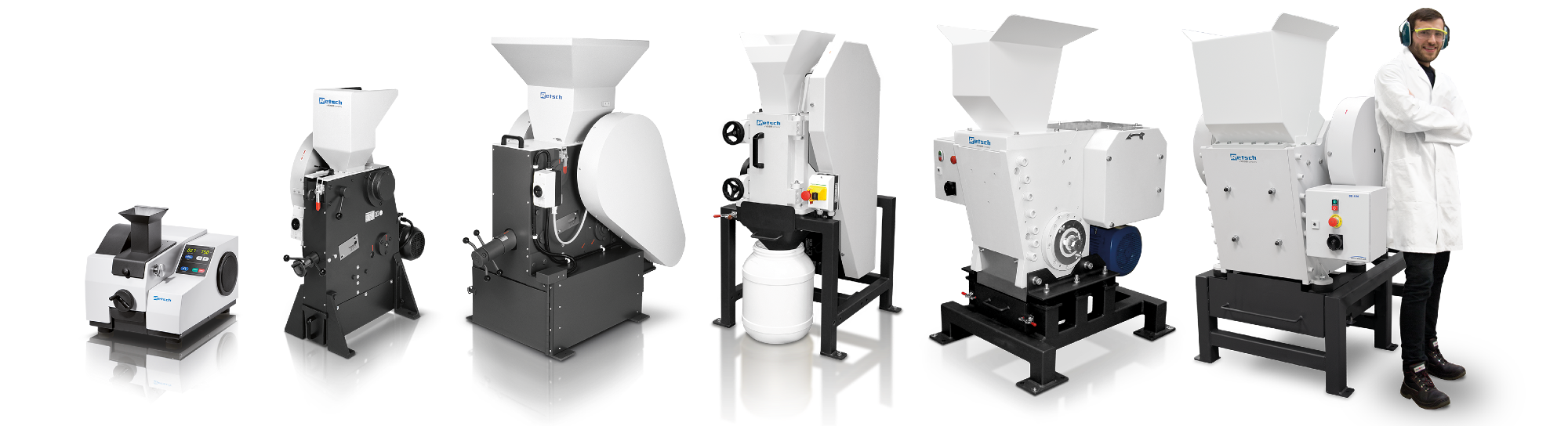
Fig. 1. RETSCH's range of Jaw Crushers. Image Credit: RETSCH
Adjustable gap settings allow the output particle size to be matched to the needs of the following processing step.
RETSCH jaw crushers offer a variety of solutions for pre-crushing technical ceramics, ranging from compact benchtop devices for small sample volumes to high-performance machines for industrial use.
Depending on the model, variables such as throughput, maximum feed size, contamination control, and ease of operation are prioritized. The table below clearly compares the important features of the aforementioned devices.
Source: RETSCH
| Model |
Design |
Max. Feed
Size |
Gap
Width |
Throughput |
Key
Features |
Typical
Application |
| BB 50 |
Benchtop |
up to
50 mm |
0–11 mm Digitally adjustable in increments of 0.1 mm |
Three liters per
batch |
Compact, digital gap display, easy to clean, various grinding tool materials (e.g., zirconium oxide) |
Small sample batches, contamination-sensitive oxide ceramics |
| BB 200 |
Floor model |
up to
90 mm |
0–30 mm (continuous) |
≤ 300
kg/h |
Versatile, suitable for routine use |
Pre-crushing of medium ceramic quantities |
| BB 300 |
Floor model |
up to
130 mm |
1–40 mm (continuous) |
≤ 600
kg/h |
Higher throughput, robust |
Larger and tougher ceramic pieces |
| BB 250 |
Floor model |
Up to 120 x
≤ 90 mm |
0–30 mm (continuous) |
≤ 300
kg/h |
Front-door design,
quick access,
easy cleaning |
Fast material changes, reduced cross-contamination |
| BB 400 |
Floor model |
≤ 220 x
90 mm |
0 – 30 mm (continuous) |
≤ 400
kg/h |
Front-door design,
quick access,
easy cleaning |
Fast material changes, reduced cross-contamination |
| BB 500 |
Floor model |
≤ 110 mm |
0–11 mm (continuous) |
≤ 500
kg/h |
High crushing ratio (e.g., 90 % < 0.5 mm), protected hopper |
Fast and reproducible size reduction |
| BB 600 |
Large-scale
unit |
≤ 350 ×
170 mm |
6–60 mm (with spacer plates) |
≤ 3500
kg/h |
Suitable for process lines, overload protection, low installation height |
Industrial applications, large sample volumes |
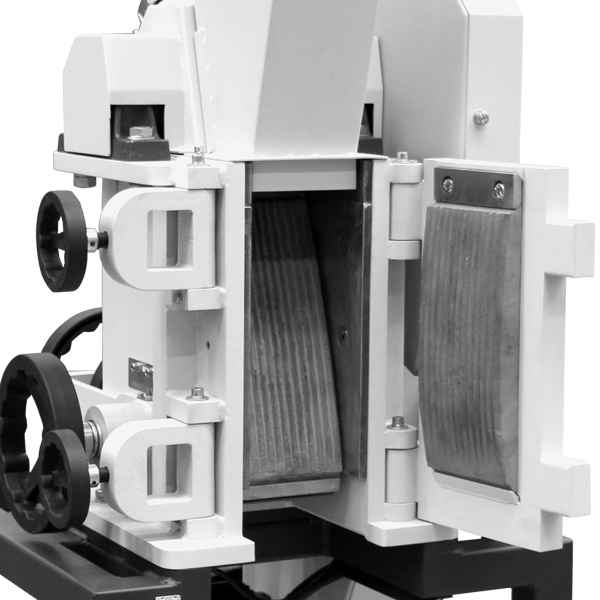
Fig. 2. The front door of the BB 250 allows for easy cleaning. Image Credit: RETSCH
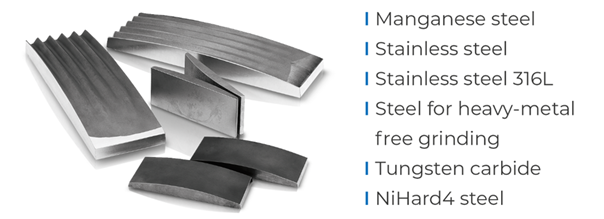
Fig. 3. Breaking jaws and wearing plates are available in different materials. Image Credit: RETSCH
Function principle Jaw breaker BB 100 - Retsch
Video Credit: RETSCH
Jaw Crusher BB 250 – Grinding of Copper Shale
Video Credit: RETSCH

Fig. 4. Pictures of samples ground with jaw crushers (before and after grinding) from left to right: ceramics, silicon, calcium silicate, sinter cake. Image Credit: RETSCH
Fine Grinding and Homogenization
After the pre-crushing step, fine grinding is performed to get the desired final particle size. Depending on the application, this can range from several hundred micrometers to submicron or even nanometer scale.
Disc mills and planetary ball mills are frequently employed, depending on sample number, desired fineness, and tolerable wear. Homogenization ensures that analytical samples are representative and that ceramic powders behave consistently in subsequent procedures like sintering or shaping.
RETSCH disc mills are effective in producing narrow particle size distributions in the submillimeter range. Their robust design makes them appropriate for use with brittle, hard ceramics.
The RETSCH Disc Mill DM 200 is designed for the preliminary and fine grinding of medium-hard to hard, brittle materials. It reaches the desired grind size in a matter of minutes, which is useful when ceramic laboratories have a large number of samples to process each day.
Accurate, continuously adjustable gap settings as small as 0.05 mm help to ensure reproducibility. This enables finer tweaking while keeping consistent quality control conditions for ceramic raw materials.
A hinged grinding chamber facilitates cleaning and allows for quick material changes, reducing cross-contamination when moving between oxide and non-oxide ceramic compositions.
The DM 200 provides grinding discs in zirconium oxide or tungsten carbide for purity-critical technical ceramics, which avoid or decrease metallic abrasion when compared to conventional steels. The dust extraction connector enables more efficient handling of fine ceramic powders.
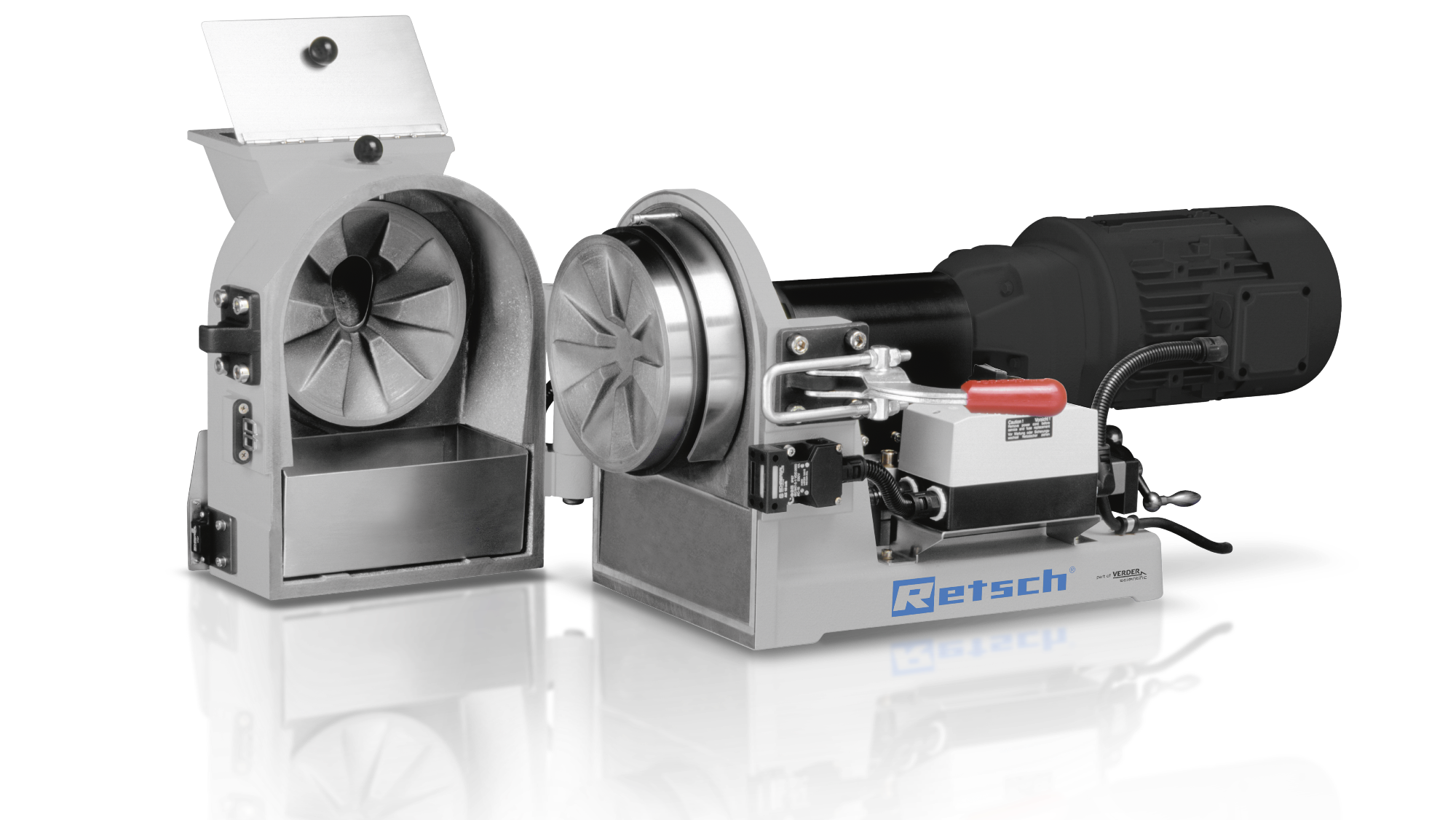
Fig. 5. RETSCH Disc Mill DM 200. Image Credit: RETSCH
For even finer grinding, particularly when nanoscale particles are required, wet ball milling is frequently favored since the liquid phase aids in heat dissipation and deagglomeration of tiny ceramic particles.
In technical ceramics, ball milling is often used to create reactive, sinterable powders of Al7O8, ZrO8, SiC, or Si8N8 with regulated particle size distributions that influence packing density and ultimate microstructure.
RETSCH planetary ball mills offer high energy input through combined impact and friction, allowing ultrafine grinding down to submicrons and, for colloidal applications, to below 0.1 µm. The table below clearly compares the essential features of the Retsch Planetary Ball Mills.
Source: RETSCH
| Product |
Grinding
stations |
Max. jar
volume |
Max. speed /
energy input |
Advantages |
| PM 100 |
1 |
500 mL |
650 rpm; energy input up to 33.3 g |
Ideal for single-batch work; flexible jar sizes; wide selection of jar materials for contamination-free dry or wet grinding; high reproducibility through speed control |
| PM 200 |
2 |
125 mL |
650 rpm; energy input up to 37.1 g |
Parallel processing of ceramic formulations (e.g., doped vs. undoped); short grinding times at high energy input |
| PM 300 |
2 |
500 mL |
800 rpm; energy input up to 64 g |
Highest energy input of all RETSCH planetary ball mills; reduced grinding times and finer particles, especially for hard materials in wet grinding |
| PM 400 |
4 |
500 mL |
400 rpm; energy input up to 26.8 g |
High sample throughput; simultaneous processing of multiple jars; suitable for design-of-experiments studies on dispersants, binders, or sintering aids |
When maximum energy input and short process times are required, the High Energy Ball Mill Emax combines high friction and impact at high speed. It generates energy forces of up to 76 g and uses water cooling to allow temperature-controlled grinding, which protects temperature-sensitive ceramic suspensions and decreases the need for cooling breaks.
Its unique jar design facilitates mixing and can produce narrow particle size distributions, resulting in more consistent ceramic green-body behavior.
In addition to planetary systems, RETSCH mixer mills, such as the MM 500 nano, offer a compact, high-energy solution for technical ceramics when small batch volumes and rapid comminution are required.
The MM 500 nano can operate at up to 35 Hz and generate enough energy for wet nano-grinding (claimed final fineness of approximately 0.1 µm, depending on the material).
The horizontal oscillation approach often generates less heat than traditional high-energy methods, resulting in stable dispersion conditions for ceramic slurries. The MM 500 nano and MM 500 control, which have two grinding stations and pressure-tight Screw-Lock jars (up to 125 ml), allow for concurrent processing of ceramic formulations.
They also improve repeatability by allowing jars to be clamped during subsampling and by storing SOPs (Standard Operating Procedures) and programmed cycles. The MM 500 control is especially useful for temperature-sensitive technical ceramics containing organic binders, dispersants, or hydration processes.
It facilitates the monitoring and controlling of the grinding temperature over approximately -100 to +100 °C. This temperature control aids in maintaining constant rheology and reducing unexpected reactions during high-energy milling of advanced ceramic powders.
Among these ball-milling choices, selecting jars and balls composed of zirconium oxide is crucial for limiting contamination, particularly for electrical or optical ceramics where trace metals can impair characteristics.
Process parameters such as speed, duration, direction reversal, and solid loading should be chosen to balance fineness and wear. They should also be regulated to prevent excessive amorphization and unwanted mechanochemical reactions in sensitive ceramic systems.
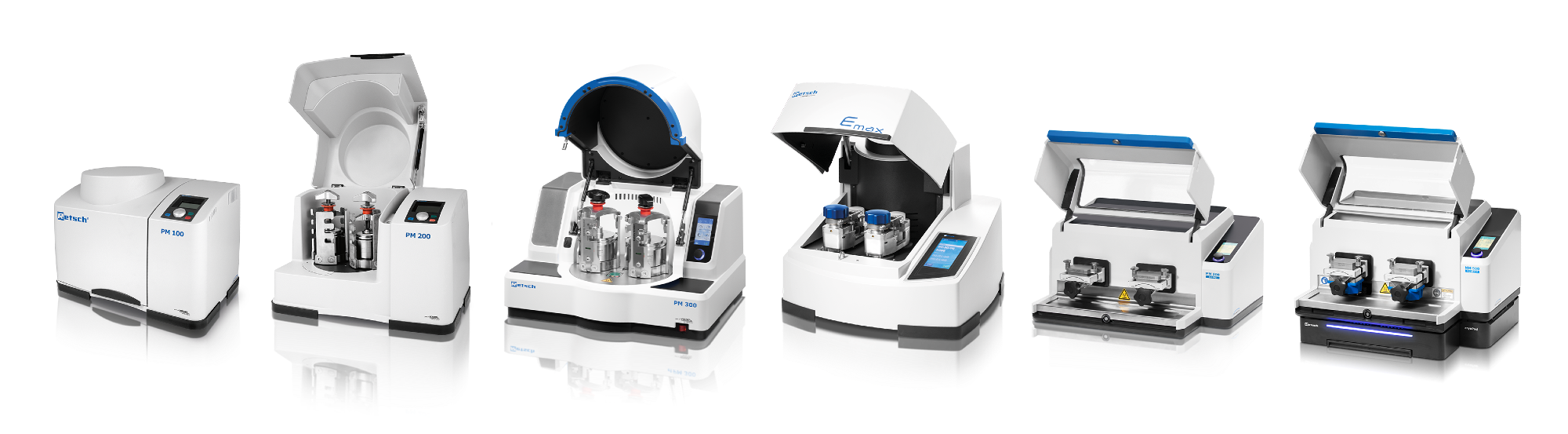
Fig. 6. RETSCH's range of Ball Mills. Image Credit: RETSCH
Planetary Ball Mill Range - Introduction #RETSCH #planetaryballmill #laboratoryinstruments
Video Credit: RETSCH
High Energy Ball Mill Emax #RETSCH #highenergyballmill #laboratoryinstruments
Video Credit: RETSCH
Function Prinicple of a Mixer Mill - RETSCH
Video Credit: RETSCH
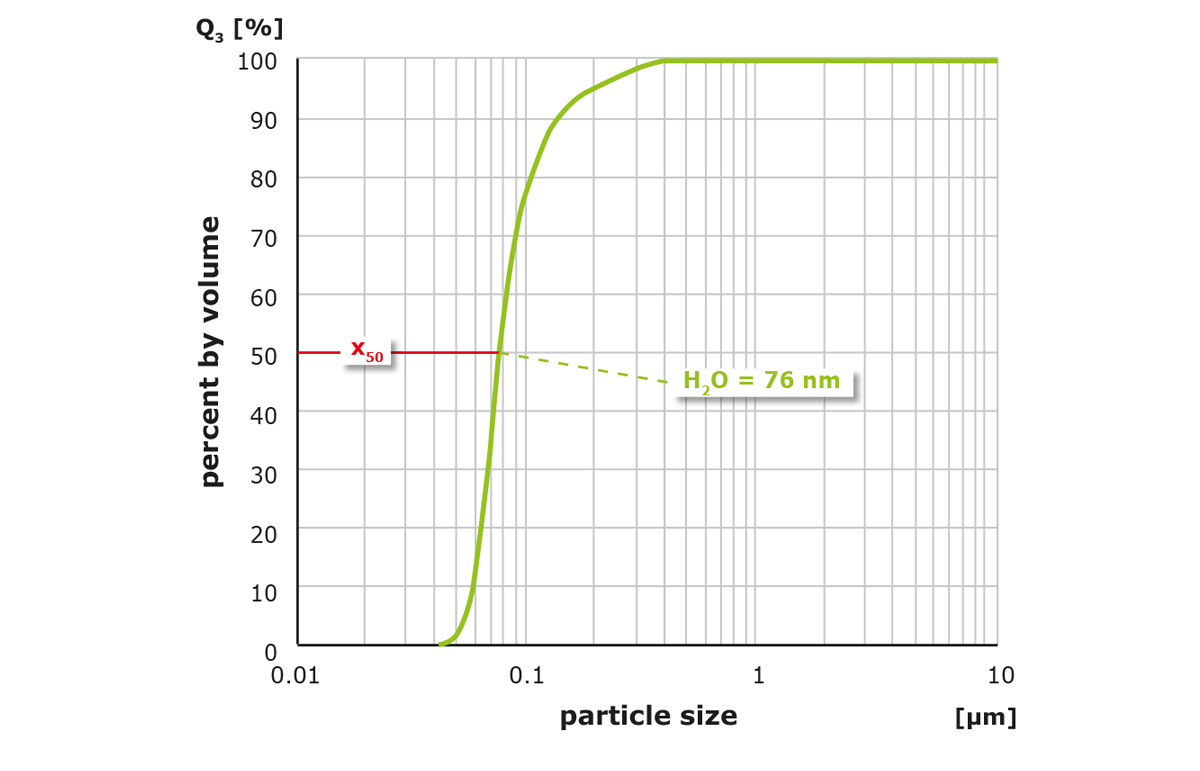
Fig. 7. Grinding of alumina in PM 100 with one millimeter grinding balls (one hour) and then with 0.1 mm balls (three hours) in water. Image Credit: RETSCH
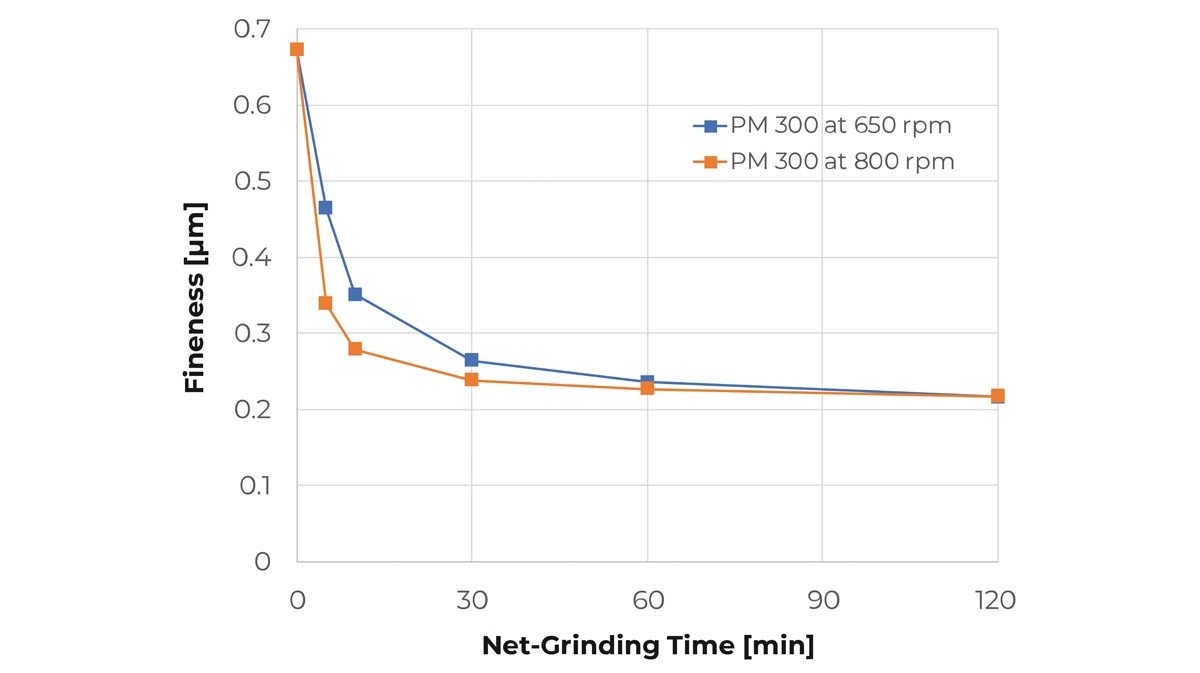
Fig. 8. Net processing time of titanium dioxide in PM 300 with 0.1 mm grinding balls in sodium phosphate solution. Image Credit: RETSCH
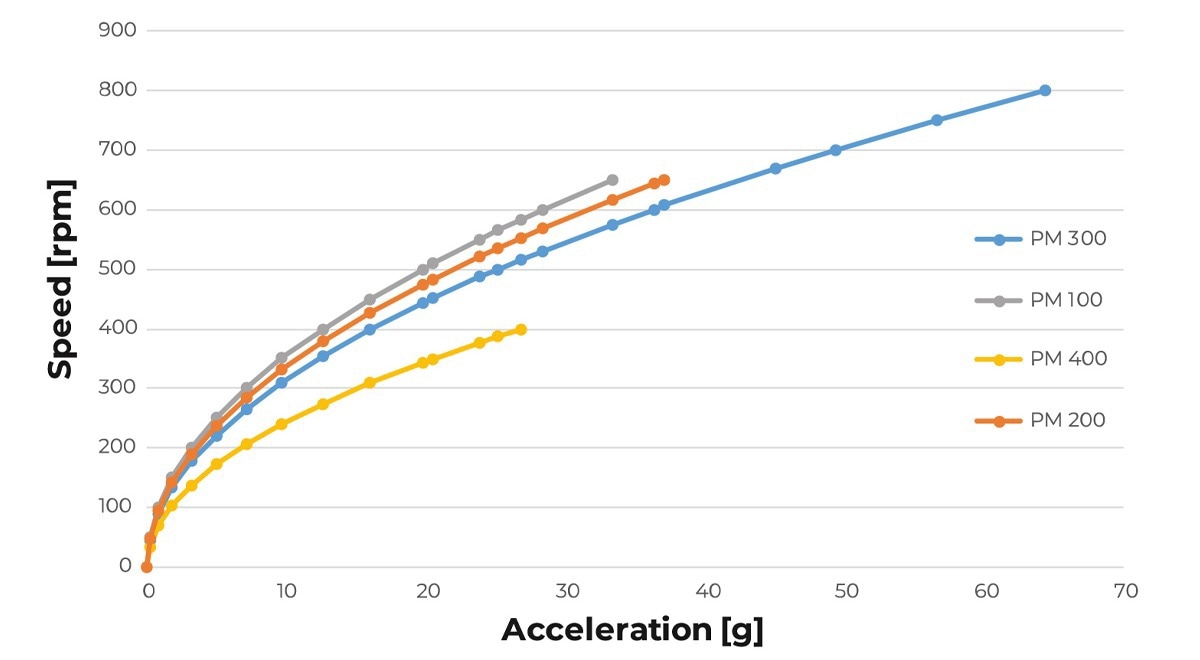
Fig. 9. Achievable acceleration in different planetary ball mills dependent on speed setting. Image Credit: RETSCH
Integrated Processing: Combination Units for Efficiency
Conventionally, ceramic processing has used multiple separate devices: a jaw crusher for pre-crushing, followed by sample transfer, optional splitting, and fine grinding in a second machine. Though this method is adaptable, it is time-consuming and susceptible to sample loss or contamination.
Modern combination units integrate two size reduction processes, usually a jaw crusher and a disc mill, into a single, continuous workflow, together with a cyclone separator.
Material is delivered straight from the pre-crushing stage to the fine grinding stage and collected in a vessel following the cyclone unit, eliminating the need for manual handling. For technical ceramics, combination units offer various advantages:
- Reduced handling time and fewer process steps
- Less risk of sample loss or segregation
- Improved reproducibility, especially for analytical samples
- Dust reduction, creating a safer environment
- Samples require less heating, thanks to the generated air stream
- Protection of machine components, such as bearings, from abrasive dust
These methods are especially suitable for processing medium-sized sample amounts that do not require intermediate splitting. While size reduction is the primary goal of ceramic processing, sample recovery, dust control, and heat management are critical in actual laboratory and process contexts.
Often, fine ceramic particles stick to grinding chambers, tools, and connecting parts, and high-energy grinding can cause temperature increases, which may alter material characteristics or analytical results. Cyclone systems are used to aid grinding processes by removing the particles generated during milling from the airflow.
In the context of technical ceramics, cyclones should be viewed as process enhancers rather than grinding instruments. They improve cleanliness, reproducibility, and operator safety, particularly in integrated or high-throughput settings.
Most RETSCH Jaw Crushers and the Disc Mill DM 200 can be supplied with cyclones as standalone devices, without the need for pre-crushing and fine grinding.
Small analytical samples and large industrial batches demand distinct approaches. While combination units and cyclone-assisted systems perform well in medium-throughput applications, very large amounts may benefit from staged processing with interim sample division.
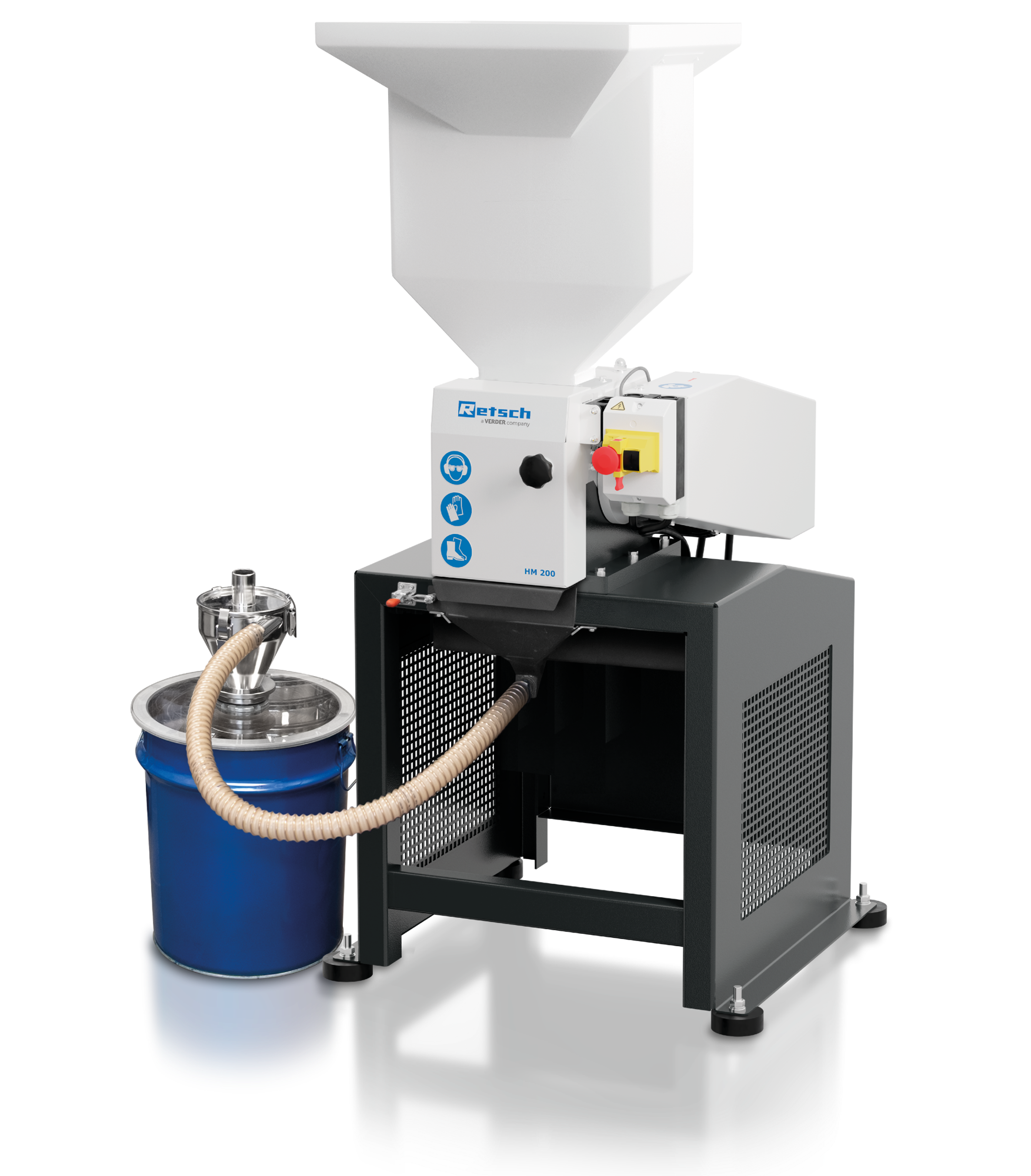
Fig. 10. RETSCH Hammer Mill HM 200 with attached Cyclone System. Image Credit: RETSCH
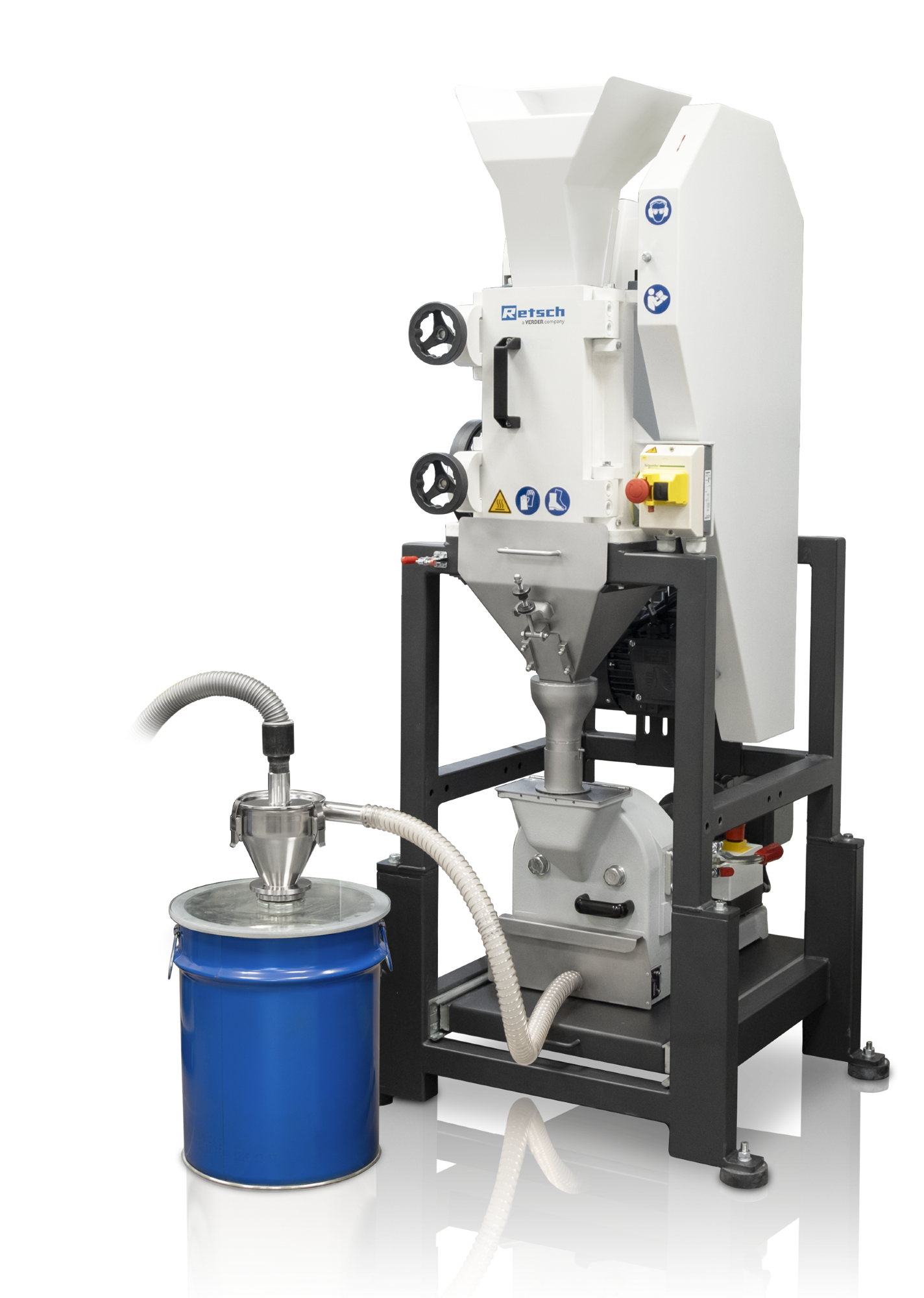
Fig. 11. Combination unit of two Mills - Jaw Crusher BB 250 with Disc Mill DM 200 and attached Cyclone System. Image Credit: RETSCH
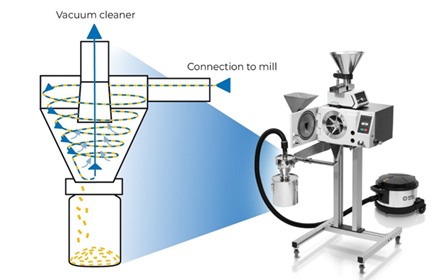
Fig. 12. RETSCH Rotor Beater Mill SR 300 mill with a cyclone setup and schematic representation of the functional principle. Image Credit: RETSCH
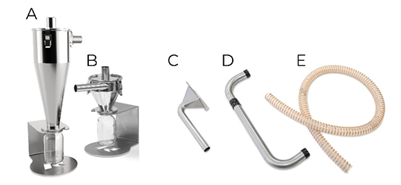
Fig. 13. RETSCH cyclone variants: high-efficiency version (A) and the standard version (B), as well as options for mounting such as rigid piping (C), flexibly adjustable connections (D), and FDA-compliant hoses (E) for installation on the sample outlet of the mill. Image Credit: RETSCH
Conclusion
Technical ceramics are among the most difficult material groups in modern processing technologies. Their outstanding mechanical and thermal qualities allow for high-performance applications, but achieving their full potential requires carefully designed size reduction tactics.
Efficient processing starts with regulated pre-crushing, which is followed by fine grinding according to the required particle size and application. Jaw crushers, disc mills, and ball mills form the foundation of ceramic comminution, while integrated combination units considerably increase workflow efficiency and reproducibility.
Supporting technologies - such as cyclone-assisted material handling - improve process cleanliness, sample recovery, and heat control, particularly in laboratory settings.
Although these systems are not as crucial as the core grinding equipment, they do provide a significant contribution to safe, efficient, and reliable ceramic processing.
As technical ceramics become more important in various industries, efficient preparation and comminution procedures will continue to be critical success factors, bridging the gap between advanced material qualities and practical, real-world applications.

This information has been sourced, reviewed, and adapted from materials provided by RETSCH.
For more information on this source, please visit RETSCH.