From ServomexReviewed by Olivia FrostAug 12 2026
This interview with Dr. Stephen Firth, Market Sector Manager at Servomex, explores the evolving role of gas analysis in an industrial context driven by digitalization, tightening regulation, skills shortages, hydrogen uptake, and an increasing push to enhance operational efficiency.
He discusses how customer expectations are changing in industrial process, pharmaceutical, medical gas, specialty gas, and high-purity applications, and why dependability, connectivity, application expertise, and lifecycle support are becoming increasingly important.
What are the major trends driving the future of gas analysis?
Several trends are affecting the industry. Some are technology-driven, such as digital communications, Ethernet connectivity, and the growing importance of artificial intelligence (AI). However, one of the most serious issues is a lack of skilled workers.
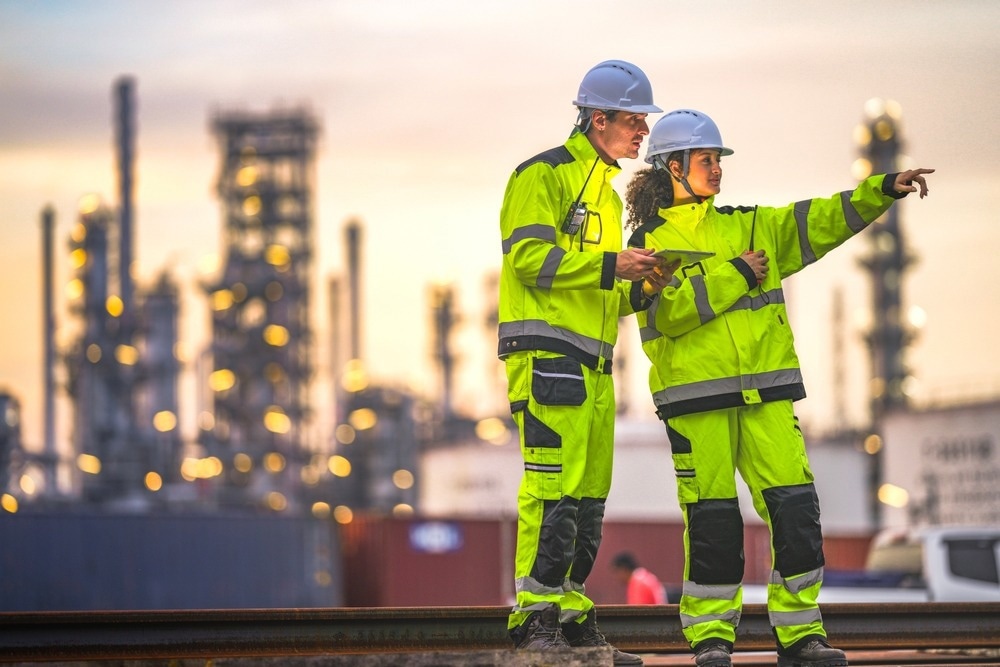
Image Credit: ultramansk/Shutterstock.com
Many petrochemical and chemical industries are finding it difficult to hire engineers, chemists, and technicians with the necessary knowledge, resulting in fewer workers on site to oversee projects, maintenance, and technical support.
As a result, analyzer manufacturers will be required to provide more specialized assistance. Companies like Servomex can help customers close the skills gap by providing technical service, maintenance support, and troubleshooting expertise.
In many cases, a lack of competent personnel is now one of the most significant problems influencing how customers use and maintain their analyzer systems.
How should customers respond to these operating pressures?
Customers are increasingly seeking technology that requires as little physical interaction as feasible.
The concept of “touch time” is gaining traction: how frequently does an engineer need to physically visit an analyzer to calibrate, verify, or debug it? Every engagement requires time, from getting to the equipment and obtaining licenses to performing the work itself.
Reliable technology that can be accessed remotely via web browsers or digital communications helps to alleviate that burden. It enables technicians and process engineers to work more efficiently, especially when they are responsible for more equipment across a larger region.
At the same time, consumers expect greater assistance from analyzer makers when diagnosing and addressing difficulties remotely, particularly as cybersecurity regulations become more stringent.
What sets Servomex apart in this shifting market?
Servomex has a long history in gas analysis and a great reputation for dependable equipment that continues to operate over time. Customers trust that dependability, as well as the service and technical support that underpins the technology.
At the same time, Servomex continues to release new solutions that include Ethernet communication and safety integrity level capabilities. These advancements are intended to help customers operate more efficiently and reliably on the plant.
Ultimately, the essential concern remains: does the analyzer perform the measurement correctly, and can the consumer rely on it when it matters?
How do digitization and predictive maintenance affect industrial gas analysis?
Traditionally, gas analyzers used hardwired communications, such as 4–20 mA signals and fault warnings. These provide a measurement and a basic indicator that the analyzer is operational, but if a failure arises, an engineer is usually required to visit the analyzer and investigate.
Digital communications, such as Modbus over Ethernet, enable immediate access to diagnostic information from an office or control environment.
That information can then be fed into analyzer management systems to track trends like flow stability, performance variations, and laser transmission levels. If a diagnostic parameter begins to change, the system can detect the problem before it becomes critical.
Transmission, for example, can be reduced in a laser analyzer as process contamination accumulates on the optical windows. Monitoring the trend allows engineers to clean the optics as needed, rather than on a set schedule.
Maintenance becomes more planned, emergency interventions are reduced, spare parts can become accessible ahead of time, and the process becomes simpler and less expensive to handle.
What do customers currently expect from automated diagnostics and downtime prevention?
Customers demand dependable and useful diagnostic information. They need to understand how the analyzer works, what a diagnostic message implies, and what steps should be taken.
Servomex analyzers generate detailed problem warnings, ranging from specific maintenance suggestions to advice to contact Servomex assistance as needed.
Reliability is especially crucial in emissions monitoring, since measurement availability is frequently required by regulation.
If equipment is unavailable for an extended period, significant consequences may occur, including forced plant shutdowns. Customers require analyzers that are dependable, regularly serviced, and capable of ensuring continual compliance.
What influence do digital connectivity and smart analytics have on pharmaceutical and specialty gas operations?
Digital connectivity enables an analyzer to be located in one area of the world while technical competence is elsewhere.
As a result, some companies are transitioning to remote operating models, in which industrial gas plants or air separation units operate with very few people on-site, while operating parameters are digitally transmitted to central teams that monitor performance.
Once that information is available, clients can use AI, statistical process control, and remote diagnostics to determine whether everything is working properly, or if calibration or specific maintenance actions are required.
This allows qualified engineers to support many sites centrally, while local teams can be dispatched with more specific instructions when physical intervention is required.
What role does R&D play at Servomex?
Servomex has a large research, development, and engineering staff that focuses on novel analyzer development, technical hurdles, and the design of future analyzers. Much of this work is motivated by customer needs and specialized measurement issues.
For example, Servomex’s software team is actively working on cybersecurity. Customers are increasingly expected to demonstrate that their equipment and systems are cybersecure, especially when digital components are involved. This places a responsibility on vendors to ensure their technology is acceptable for use in secure industrial environments.
How does continuous R&D benefit customers?
Servomex’s R&D activities are focused on resolving customer issues. Some gas analysis technologies have been in development for decades, but their application has substantially improved.
Servomex continues to provide new measurements, technologies, and methodologies that increase dependability, minimize utility requirements, and enable remote or reduced calibration. The goal is always to assist customers with practical process and measurement difficulties.
As hydrogen and other clean fuels gain popularity, what demands will they make on gas analysis solutions? How would analyzer product strategies need to change?
Hydrogen has two key attributes that make it challenging to convert a standard natural-gas-fired process heater to hydrogen.
First, hydrogen is a very small molecule that has a higher leak rate. Secondly, it ignites more rapidly than methane, necessitating additional safety precautions. It also has a reduced calorific value, which means more hydrogen may be needed to provide the same energy output.
The advantage is that when hydrogen is burned, it creates water rather than carbon dioxide, which is why there is a lot of interest in using it as an alternative to methane in a variety of applications.
This means that equipment must be designed with hydrogen safety in mind, including leak avoidance and compliance with relevant regulations. Because hydrogen can leak via microscopic spaces, equipment must be developed and tested to meet international requirements.
If hydrogen is considered from the start of the design process, the analyzer can be created with the necessary safety features and requirements already included.
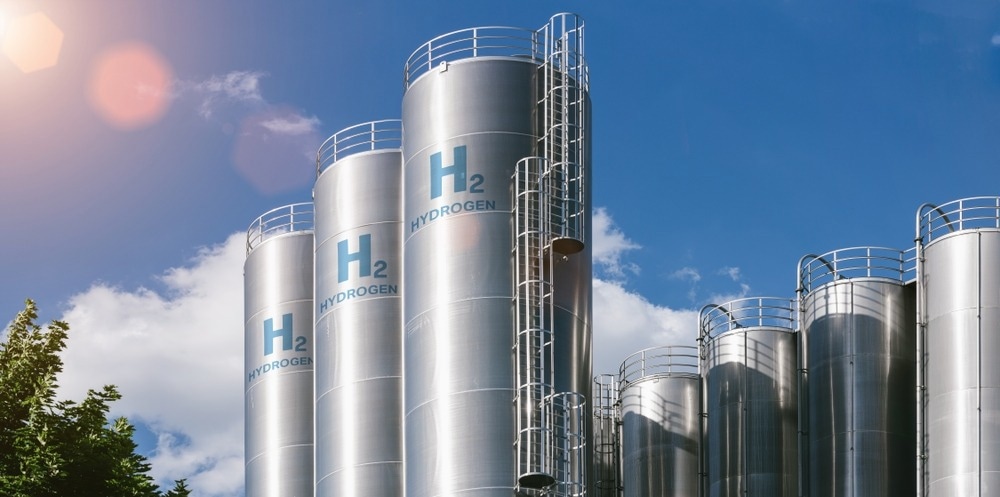
Image Credit: Audio und werbung/Shutterstock.com
Why do one-size-fits-all analyzers struggle in high-stakes environments?
Industrial processes differ greatly. They include various chemicals, situations, temperatures, pressures, and operational needs. A general solution may not always meet the specific requirements of a given process.
Servomex develops solutions based on application requirements. Once we understand the sample system, temperature, pressure, location, and process parameters, we can create a solution tailored to that unique environment.
This allows the analyzer to make consistent measurements, operate under the specified conditions, and provide the communications and features the customer requires.
Why is application-specific expertise becoming a critical differentiator?
Industrial processes are becoming increasingly complicated, often involving hazardous, flammable, or corrosive materials. Experience is important because it helps analyzer firms learn what is necessary, where problems may emerge, and how to get reliable measurements.
Servomex has decades of experience with technologies like paramagnetic oxygen analysis and infrared measurement.
That skill is becoming increasingly vital since many locations operate with fewer employees and in-house specialists. More of the specialist knowledge now rests with analyzer manufacturers, who can help clients avoid typical errors and design solutions that perform well in challenging situations.
What benefits do specialized analyzers provide in highly regulated and purity-critical markets?
In purity markets, gas companies must supply gases like oxygen, nitrogen, or argon at the purity level required for their intended application.
Medical gases, for example, have impurity criteria that include moisture, carbon monoxide, and carbon dioxide. Semiconductor applications may demand much lower detection levels, such as parts-per-billion or parts-per-trillion measurements.
General-purpose analyzers may not provide adequate reaction time, sensitivity, or long-term performance. Specialist analyzers built for these applications can provide continuous monitoring at the needed levels and are better suited to purity-critical operations in which even a minor leak might jeopardize the outcome.
How are client requirements changing as environmental and safety standards become more stringent?
As regulations tighten, analyzer performance, repeatability, dependability, and availability are increasingly important.
The more compliance standards customers must achieve, the more the analyzer must provide high-quality, consistent measurements throughout time. Customers must be certain that the measurement will meet regulatory criteria, which raises expectations for both suppliers and equipment.
How are tight compliance standards raising the bar for pharmaceuticals and medical gases?
Medical and pharmaceutical gases are regulated items with unique requirements. Everyone in the chain must be able to show that the gas meets the required standard and that the data was collected, transported, and stored without modification.
This generates a great need for traceability. Customers require proof that the analyzer was manufactured, calibrated, serviced, and used correctly.
They must also demonstrate who performed a measurement, when they did so, and the outcome. This emphasizes the significance of documentation, digital communication, and being able to download data from the analyzer itself.
How are industrial operators transitioning from upfront costs to long-term value?
A chemical plant or refinery built today can be anticipated to function for about 20 years. Customers want to know that equipment, spare parts, and service support will be available throughout their lives.
Customers are increasingly looking at value over the entire lifecycle, rather than just the purchase price. A less expensive analyzer may necessitate more regular replacement parts or repair, which raises costs over time. A more dependable analyzer with fewer servicing requirements can provide a cheaper total cost of ownership over its operational life.
Why are reliability and total cost of ownership important in pharmaceutical and high-purity gas analysis?
In the purity, specialty gas, and semiconductor markets, the gases and products produced can be quite valuable; if something goes wrong, the ramifications can be costly. As a result, equipment must remain dependable during extended periods of operation, typically running constantly for several years.
Once an analyzer can make the needed measurement, consumers start to examine the whole cost of operation, including utilities, carrier gases, spare parts, service interventions, and maintenance time. Reducing those criteria improves lifetime cost and provides clients with a lower cost per measurement over the equipment’s life.
About Dr. Stephen Firth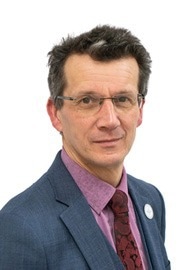
Dr. Stephen Firth, Market Sector Manager, Servomex – Stephen is responsible for identifying growth opportunities in emerging industrial markets and developing solutions that address evolving customer needs. With extensive experience in gas analysis technologies and industrial applications, Stephen works closely with customers and industry partners to improve process performance, safety, and operational efficiency.
About Servomex
Servomex is part of Spectris Ltd, the productivity-enhancing instrumentation and controls company. Spectris is a leading supplier of productivity-enhancing instrumentation and controls. The Company’s products and technologies help customers to improve product quality and performance, improve core manufacturing processes, reduce downtime and wastage and reduce time to market. Its global customer base spans a diverse range of end user markets. Spectris operates across four business segments which reflect the applications and industries it serves: Materials Analysis, Test and Measurement, In-line Instrumentation and Industrial Controls. Headquartered in London, United Kingdom, the Company employs approximately 7,600+ people, with offices in more than 30 countries.

This information has been sourced, reviewed, and adapted from materials provided by Servomex.
For more information on this source, please visit Servomex.
Disclaimer: The views expressed here are those of the interviewee and do not necessarily represent the views of AZoM.com Limited (T/A) AZoNetwork, the owner and operator of this website. This disclaimer forms part of the Terms and Conditions of use of this website.