Welcome to the latest edition of the Thermal Analysis Industry Focus eBook, a comprehensive exploration of one of the most indispensable disciplines in modern materials science and engineering.
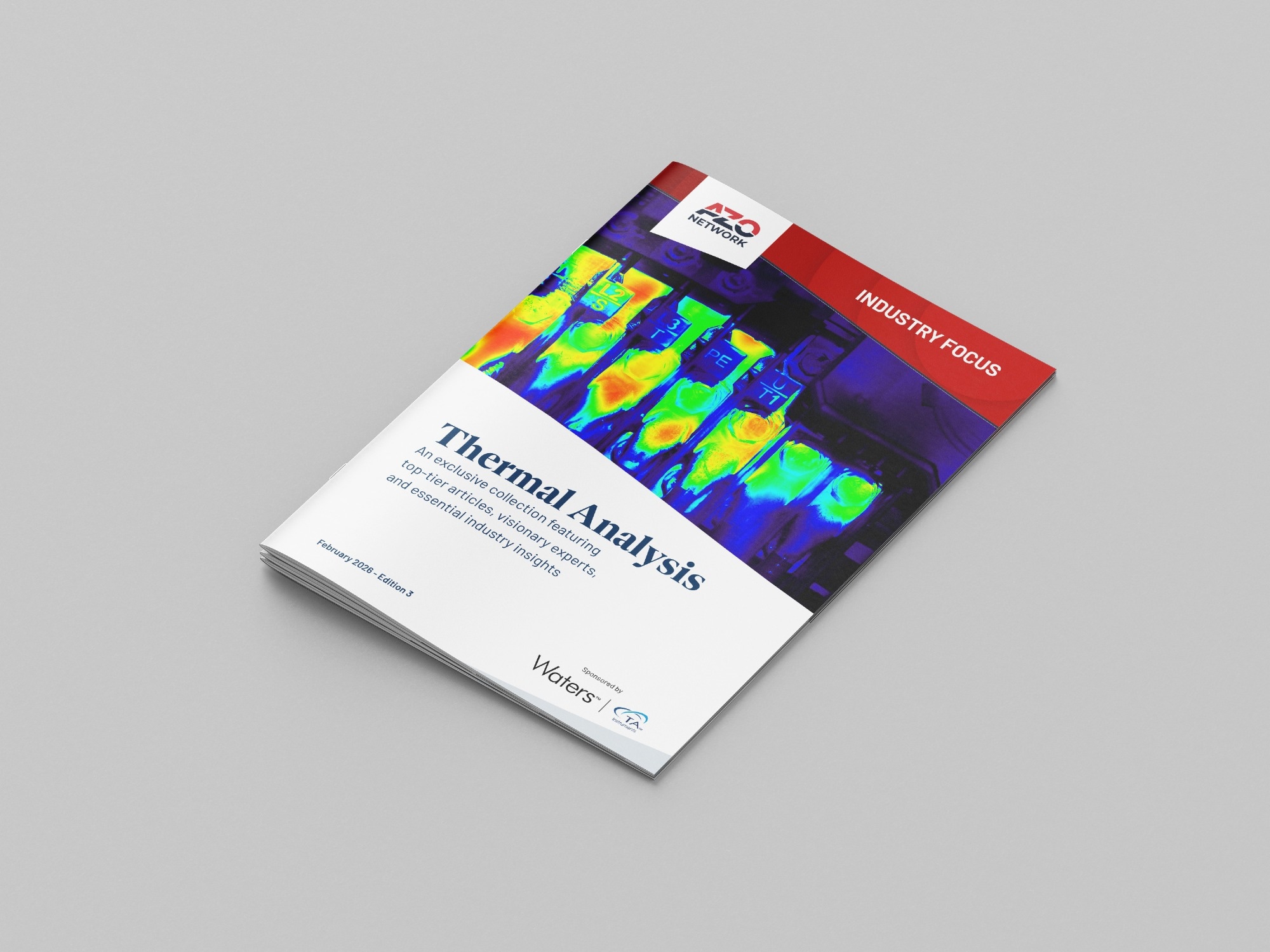
The eBook focuses on how thermal analysis continues to underpin innovation across many industries where performance, safety, and reliability are defined by how materials respond to heat, pressure, and time.
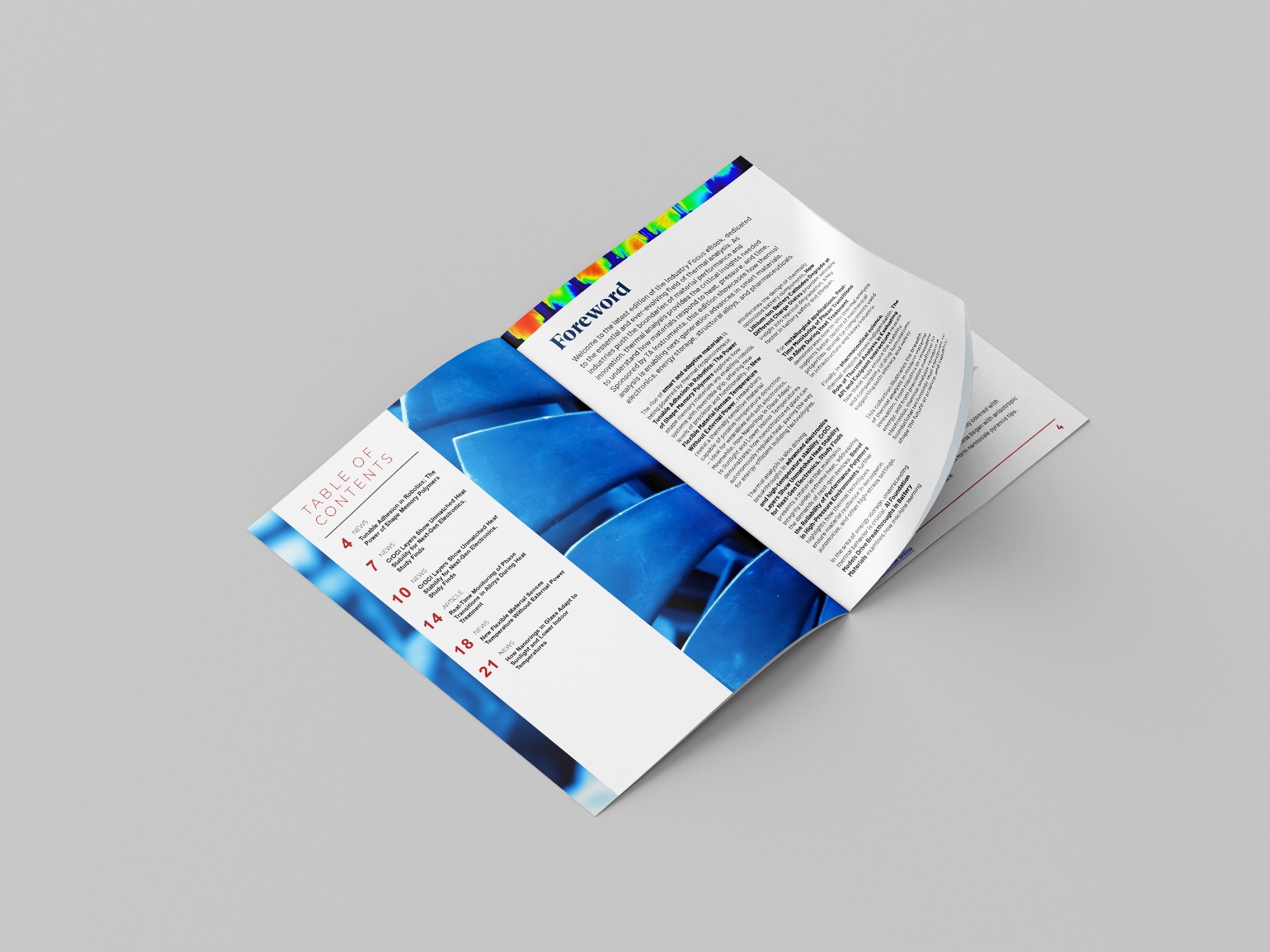
As research and manufacturing demands intensify, thermal analysis has become central to the development of smart and adaptive materials. This edition examines how thermally responsive polymers are enabling tunable adhesion in robotics, unlocking new capabilities in precision handling and automation. Advances in passive temperature-sensing materials and heat-regulating nanostructured glass further demonstrate how thermal behavior can be harnessed to improve energy efficiency, wearables, and next-generation building technologies.
The eBook also explores the critical role of thermal analysis in electronics and high-performance polymers, where thermal stability and resilience under extreme conditions are essential. From materials engineered for exceptional heat resistance in next-generation electronic devices to polymers designed for reliability in high-pressure aerospace and automotive environments, thermal techniques provide the data needed to validate performance before failure occurs.
Energy storage and metallurgy emerge as equally important themes. Insight into thermal degradation mechanisms in lithium-ion battery cathodes, combined with AI-driven materials discovery, highlights how thermal analysis supports safer, longer-lasting batteries. In parallel, real-time monitoring of phase transitions during alloy heat treatment illustrates how thermal tools enable tighter process control and improved mechanical properties in structural materials.
Finally, the eBook underscores the importance of thermal analysis in pharmaceutical development, where understanding API-excipient interactions is vital to formulation stability, efficacy, and patient safety.
These insights reinforce thermal analysis as a foundational technology – one that continues to shape advances across materials science, energy, electronics, and life sciences.

This information has been sourced, reviewed and adapted from materials provided by TA Instruments.
For more information on this source, please visit TA Instruments.