This article provides an overview of size reduction, containment, and processing technologies shaping modern manufacturing.
Introduction
As a rapidly evolving sector, manufacturing consistently requires innovative and reliable solutions to any challenges that arise.
It is anticipated that the global industrial market for size reduction equipment will grow at a CAGR of around 6.3 % through 2030. This projected growth has been influenced by developments in pharmaceuticals, chemicals, and food processing.
Today, manufacturers face mounting challenges in managing industrial-scale size reduction. Here, we look at the developments in size reduction, containment, and processing technology.
What is Containment, Size Reduction, and Processing Technology?
Size Reduction
Size reduction is an essential procedure conducted across several industries. It involves breaking down the physical size of solid materials, particles, or substances into smaller, more manageable pieces. This process significantly improves product performance while ensuring uniformity to meet industry standards.
Containment
Containment also plays a key role in many industrial processes, as it enables control over the materials-processing environment.
The main purpose of containment is to ensure workers have a safe workplace and to protect the product and the surrounding areas. This helps prevent the release of hazardous or sensitive materials into the atmosphere.
Processing Technology
Finally, the concept of process technology extends beyond size reduction and containment. It relates to the methods, systems, and equipment used to transform raw materials, in a controlled and efficient way, into finished products.
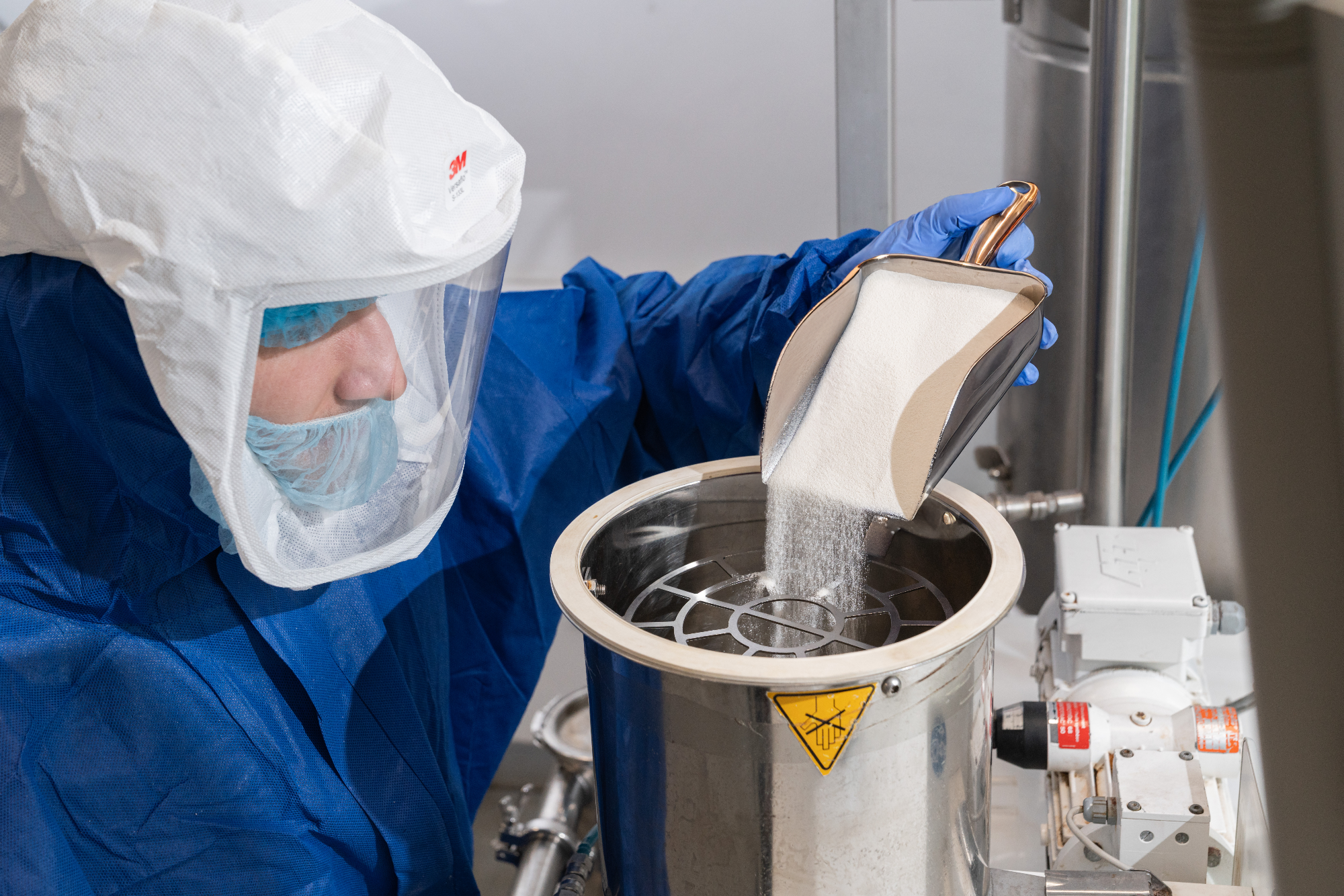
Image Credit: Hosokawa Micron Ltd
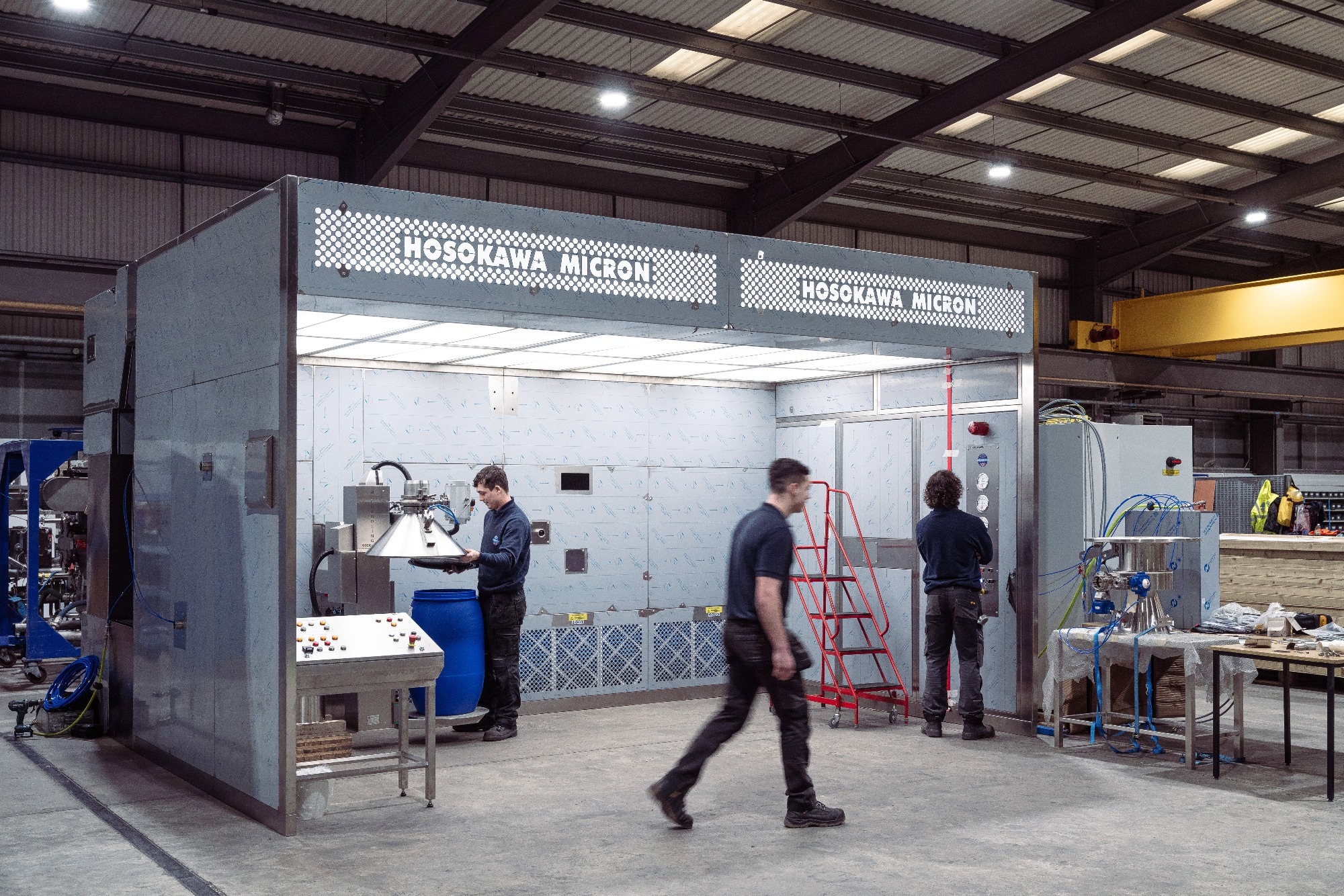
Image Credit: Hosokawa Micron Ltd
What are the Emerging Trends in Containment, Size Reduction, and Processing Technology?
As industries keep pace with changes in the modern world, there is increased demand for safer, more efficient, and sustainable size-reduction, containment, and processing technologies. In 2023, it was estimated that the global industrial machinery market, including the aforementioned industries, was valued at around USD 693.7 billion. The prediction was that this figure would rise in line with the Compound Annual Growth Rate (CAGR) of 7.5 % between 2024 and 2032.
Increased Use of Automation and AI
One of the most obvious and standout trends to emerge is the upswing in automation and AI use to boost efficiency, precision, and consistency in size-reduction and containment processes.
These technologies enable manufacturers to perform predictive maintenance, modify processing, and enhance quality control.
More Focus on Sustainability and Energy Efficiency
In recent years, awareness surrounding the benefits of sustainable business practices has increased. A survey conducted by German multinational software company SAP showed that by improving their sustainability capacities, 31% of UK businesses have begun to see boosts in revenue and profits.
In light of this survey, manufacturers have begun prioritizing the onboarding of eco-friendly equipment and energy-efficient processes to minimize their environmental footprint.
This includes making cutting-edge modifications to low-energy milling techniques, using recycling-friendly materials, and implementing waste-reduction strategies.
Stricter Safety Regulations
Regulatory bodies such as the Health and Safety Executive (HSE) and the UK Environment Agency continue to introduce new guidelines with stricter standards. This helps ensure worker safety and preserves product integrity across a range of industrial sectors.
Compliance with these standards is essential, particularly in sectors such as pharmaceuticals, food processing, and chemical manufacturing.
As advances in automation continue, pressures to introduce new sustainability measures increase. With more stringent regulatory frameworks, manufacturers must reconsider their approaches to particle processing, containment, and production efficiency. Yet the trends only reveal the tip of the iceberg.
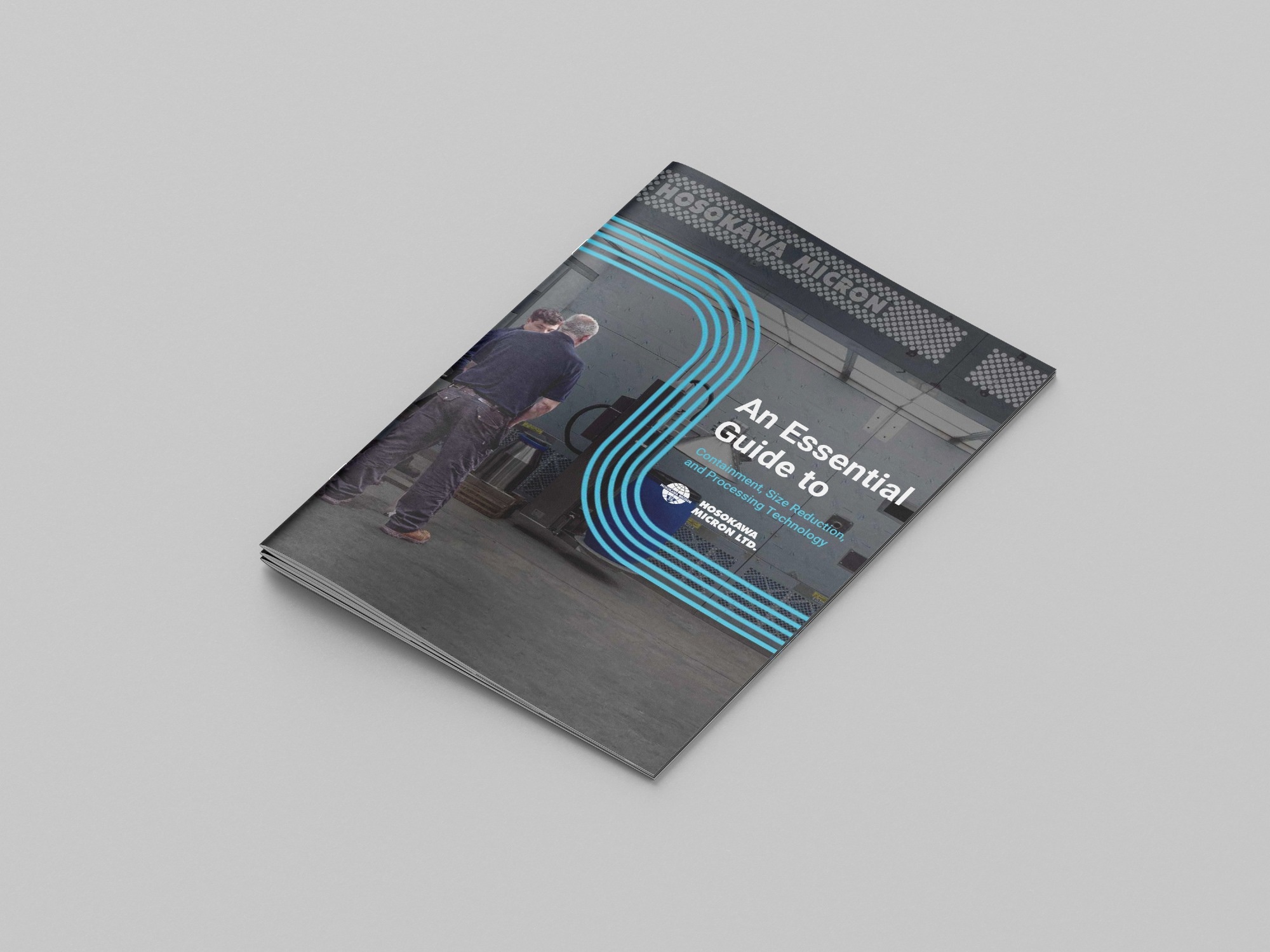
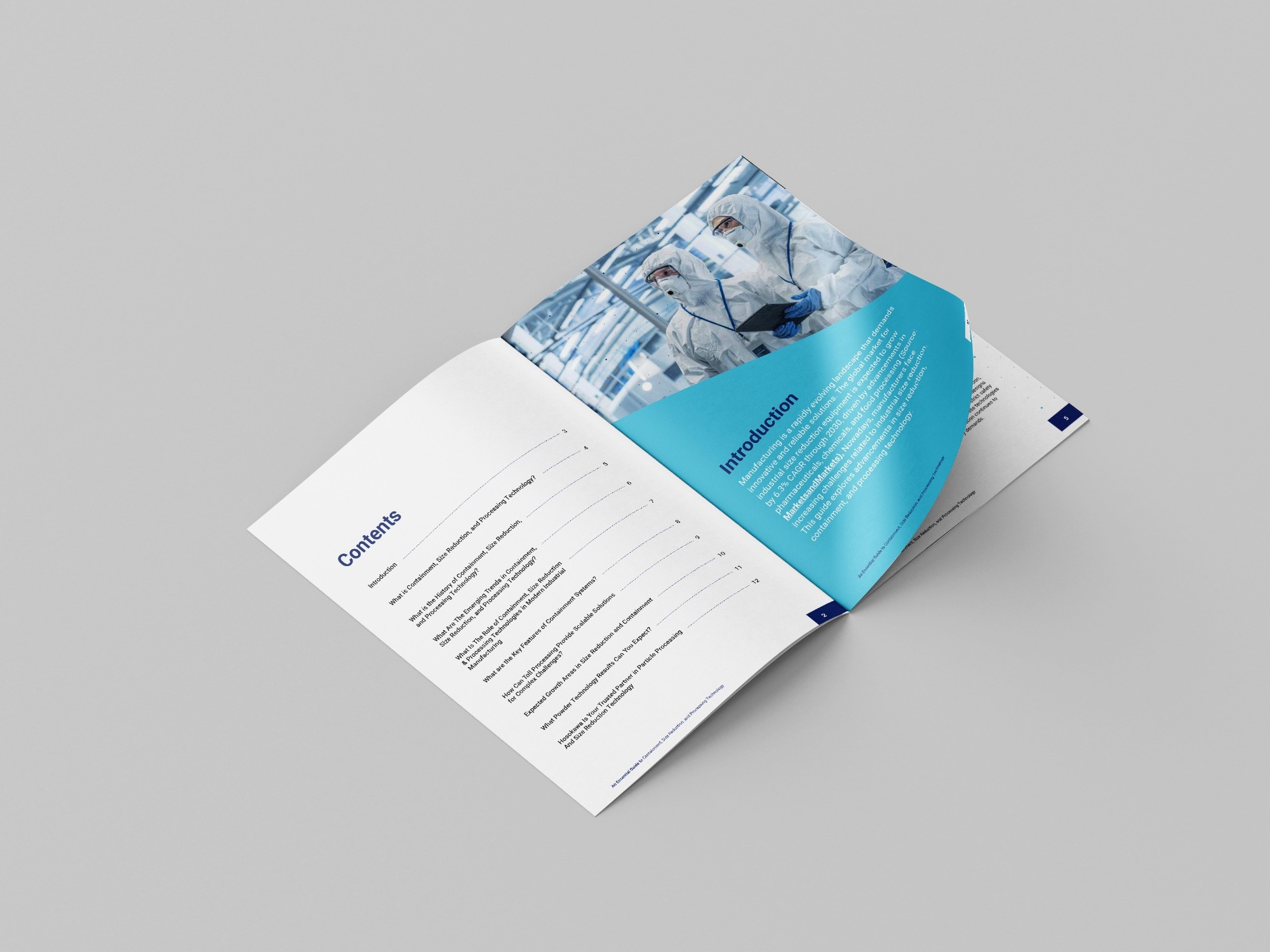
In the complete edition of An Essential Guide to Containment, Size Reduction, and Processing Technology, you’ll find a more comprehensive and practical understanding of how these technologies can be implemented in real-world industrial situations.
Contents include:
- The history and evolution of size reduction and containment technologies
- An extensive detailing of what role each of these technologies plays in industries such as pharmaceuticals, food production, chemicals, energy, and advanced materials
- Core features of modern containment systems, including regulatory compliance (GMP, MHRA, FDA) and operator safety considerations
- How toll-processing facilitates scalable production, pilot projects, and cost-efficient outsourcing
- The high-growth sectors behind future demand
- Insights into the measurable benefits of advanced powder processing
Whether you’re focused on enhancing operator safety, improving particle uniformity, or increasing production efficiency, An Essential Guide to Containment, Size Reduction, and Processing Technology offers clear, actionable insight into what’s next.
Download the full guide to explore how modern processing technologies are reshaping industrial manufacturing.
Get your copy here

This information has been sourced, reviewed and adapted from materials provided by Hosokawa Micron Ltd.
For more information on this source, please visit Hosokawa Micron Ltd.