In this interview, industry expert Peter Corell explains how nitrogen and protein analysis supports quality and efficiency, highlighting Dumas method advantages, workflow improvements, and the role of automation in modern laboratories.
To get started, can you give us an overview of why nitrogen and protein determination are still such foundational measurements across industries like food, feed, fertilizer, and agriculture?
Nitrogen and protein are both fundamental parameters across a wide range of industries because they directly relate to productivity, quality, and nutritional value. In agriculture, nitrogen is a critical component of soil fertility, so accurately measuring nitrogen content in soils and fertilizers is essential for optimizing crop yields.
At the same time, protein is a key nutritional component for both human and animal health, and since protein contains nitrogen, its content can be determined indirectly through nitrogen analysis. This is why nitrogen measurement plays such an important role in the food and feed industries.
You can see this in practice with nutritional labeling, where protein content has to be clearly stated. In sectors like dairy, protein levels also influence pricing and payments throughout the supply chain, making accurate measurement even more important.
These regulatory, commercial, and nutritional factors mean that reliable nitrogen and protein analysis remains a core measurement across many industries.
For audiences less familiar with the field, can you explain how the Dumas combustion method works and why it remains such a powerful approach for nitrogen and protein analysis?
The Dumas combustion method is a powerful analytical approach primarily because it is fast, safe, and easy to use in a laboratory environment. The process begins by introducing the sample into a high-temperature furnace, where it is combusted in the presence of oxygen.
During combustion, the sample is broken down into its elemental components: carbon is converted into carbon dioxide, hydrogen into water, and nitrogen into nitrogen-containing compounds such as NOx. These compounds then pass through a reduction stage, where NOx is converted into molecular nitrogen (N2).
After that, carbon dioxide and water are removed using absorption traps, leaving a clean nitrogen gas stream. This nitrogen is then measured using a thermal conductivity detector, which compares the sample gas to a reference signal. The resulting signal is processed by the software to determine the nitrogen content in the sample.
Because the method is fully automated, uses non-hazardous consumables, and delivers results quickly, it is highly efficient and reliable for routine nitrogen and protein analysis.
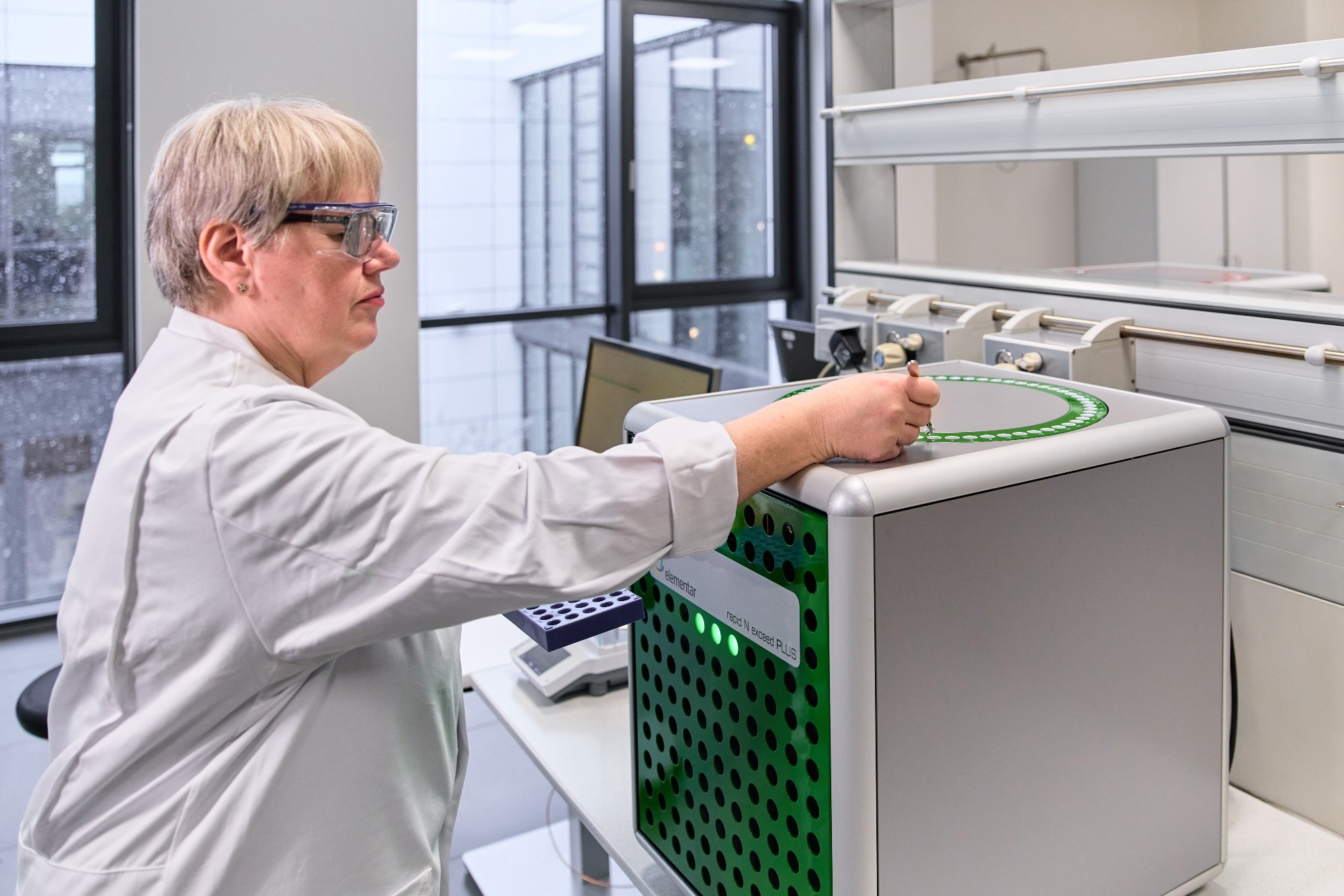
Image Credit: Elementar
Many labs have traditionally used Kjeldahl-based workflows. What are the most important practical differences when moving from Kjeldahl to Dumas?
The main differences between Kjeldahl and Dumas come down to speed, safety, and efficiency.
Kjeldahl is a wet chemistry method that relies on hazardous chemicals and typically requires working under a fume hood. It is also time-consuming, often requiring batch processing and taking around one and a half hours to produce results.
In contrast, the Dumas method is significantly faster, with typical analysis times of around four to six minutes per sample. It does not require hazardous reagents, making it much safer for laboratory staff.
Additionally, Dumas systems are highly automated. With features like automatic sample feeders, users can load multiple samples and run analyses without continuous manual intervention. This reduces operator workload, improves throughput, and makes day-to-day lab operations far more efficient compared to traditional Kjeldahl workflows.
From a lab workflow perspective, what were the main pain points the exceed PLUS analyzers were designed to solve?
The exceed PLUS analyzers were designed to address key challenges related to throughput, efficiency, and usability in modern laboratories. While accuracy and precision are already well established and aligned with industry standards, labs today face increasing pressure from factors such as staff turnover and a shortage of highly trained specialists.
Because of this, instruments need to be intuitive and easy to operate, even for less experienced users. The exceed PLUS systems are built to be robust, user-friendly, and safe, allowing a broader range of laboratory staff to generate reliable results without requiring deep technical expertise.
At the same time, eliminating hazardous chemicals improves safety and simplifies workflows. Overall, the focus is on enabling consistent, high-quality results while reducing complexity and dependency on specialist knowledge.
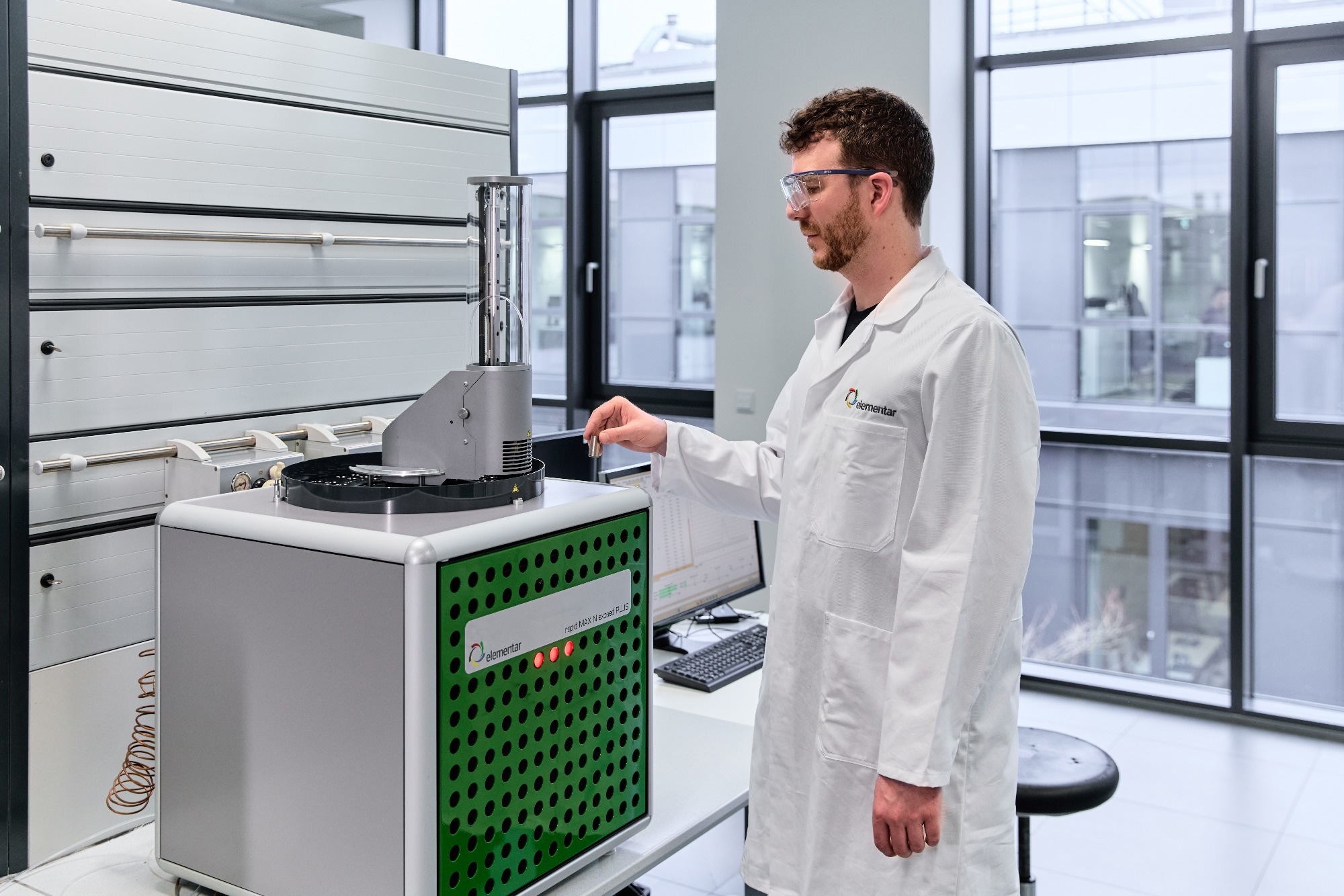
Image Credit: Elementar
The exceed PLUS series includes instruments aimed at different priorities, from maximum flexibility and throughput to the lowest cost of ownership. What should labs take into account when deciding which system is the best fit for their needs?
When selecting the right system, laboratories should consider several key factors. First, the expected sample volume is critical; whether they are analyzing samples daily, weekly, or at larger scales will influence the required throughput.
Second, the variety of sample types is important. Labs need to consider whether they are working with solids, liquids, pasty materials, or a combination of these. Third, budget constraints always play a role, particularly when balancing performance with cost of ownership.
Finally, the desired level of automation should be considered. Higher automation can significantly improve efficiency and reduce manual preparation time, which is especially valuable in high-throughput environments. By evaluating these factors together, labs can choose the system that best aligns with their operational needs.
Accuracy and reproducibility are critical in nitrogen/protein work. What design choices in the exceed PLUS series help ensure reliable results across very different sample types and concentration ranges?
One of the key design features is the complete combustion of the sample, achieved through a combination of combustion and post-combustion processes. The use of an oxygen-rich environment, supported by an oxygen lance, ensures efficient and consistent combustion, which is essential for reproducible results.
In addition, the system is designed to be robust and intelligent. Even if the user selects suboptimal parameters, such as incorrect oxygen dosing, the analyzer can compensate and still deliver accurate results. This is supported by software that adapts to the combustion conditions and optimizes performance.
Combined with user-friendly operation and stable hardware design, these features ensure consistent accuracy and reproducibility across a wide range of sample types and concentration levels.
Another interesting capability is matrix flexibility. What kinds of solid or liquid samples can these analyzers handle well, and why is that versatility so valuable in real-world QA or research environments?
The analyzers are designed to handle a wide variety of sample types, including liquids such as milk and beverages, as well as solids like grains, powders, and processed foods. They can also accommodate more complex matrices such as creams, yogurts, and challenging or high-salt samples.
This versatility is particularly valuable because nitrogen and protein analysis is required at multiple stages across production and research workflows. These include incoming goods inspection, research and development of new formulations, in-process quality control, and final product verification.
Being able to analyze diverse sample types with a single system allows laboratories to streamline operations, maintain consistency, and support a broad range of applications without needing multiple specialized instruments.
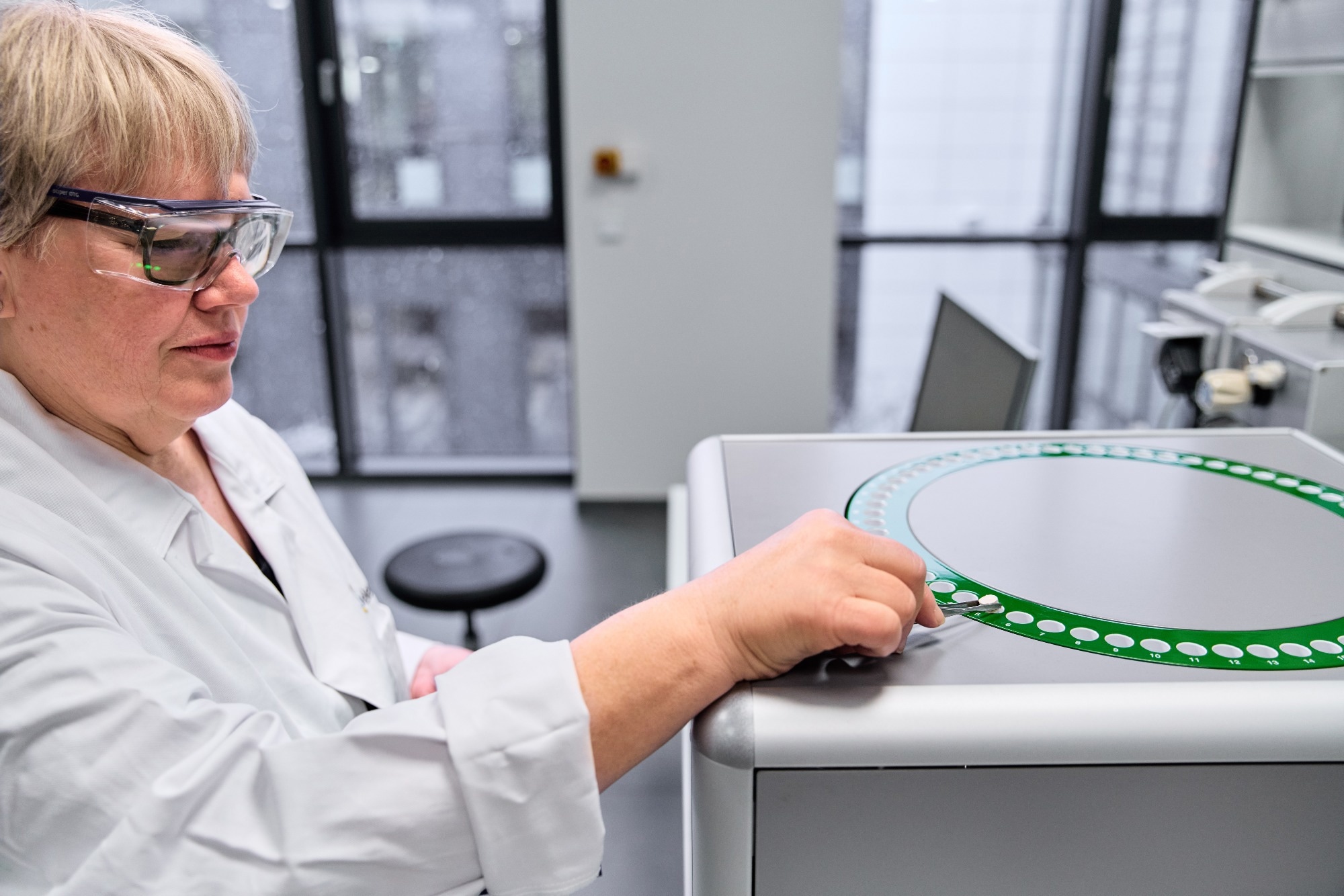
Image Credit: Elementar
Sustainability is becoming increasingly important in analytical labs. How does the DUMAS method help reduce hazardous chemicals, waste, and environmental impact compared with older wet-chemistry methods?
The Dumas method significantly reduces environmental impact by eliminating the need for hazardous chemicals used in wet chemistry methods like Kjeldahl. As a result, it does not generate liquid hazardous waste that requires special handling and disposal.
Instead, it relies on high-temperature combustion and uses non-hazardous consumables, which can be disposed of without complex treatment procedures. The method is also highly efficient, with long maintenance intervals and minimal consumable usage.
Because it delivers rapid results and supports high-throughput analysis, it further reduces resource consumption per sample. Overall, the Dumas approach offers a cleaner, safer, and more sustainable alternative for nitrogen and protein analysis.
Which application areas do you see benefiting most from the exceed PLUS analyzers, and what makes them especially well-suited to these systems?
The primary application areas include food and beverage industries, particularly those focused on protein analysis, such as dairy, grains, and alternative proteins. These sectors require high-throughput, accurate measurements to support quality control and regulatory compliance.
Additionally, industries like starch production benefit from the ability to detect very low nitrogen levels, which can be analytically challenging. Beyond food applications, the analyzers are also valuable in the chemical sector, including polymers, plastics, and rubber, where nitrogen content is an important parameter.
What makes these systems especially well-suited is their combination of speed, sensitivity, flexibility, and automation, allowing them to meet the demands of both routine testing and more complex analytical tasks.
How do you see nitrogen and protein analysis evolving over the next few years, and what will laboratories expect from the next generation of these instruments?
Looking ahead, nitrogen and protein analysis will continue to grow in importance, driven by global challenges such as food security and increasing demand for high-quality nutrition. As more regions develop and regulatory standards become stricter, the need for accurate and efficient analysis will expand.
Laboratories will increasingly expect systems that are more intelligent, automated, and connected. This includes better integration between hardware and software, reduced maintenance requirements, and simplified operation that does not require extensive technical expertise.
Ultimately, the next generation of instruments will need to deliver reliable results with minimal user intervention, allowing laboratory staff to focus on data interpretation and research rather than instrument maintenance or troubleshooting.
Video Credit: Elementar
About Peter Corell 
Peter Corell holds a Diploma in Sport Economics from the University of Bayreuth and completed a European Master in Sport Management at Northumbria University. Since 2021, he has served as Head of Product Management (Market) at Elementar, leading product strategy and exploring applications in food and agriculture analysis.
This information has been sourced, reviewed and adapted from materials provided by Elementar Analysensysteme GmbH.
For more information on this source, please visit Elementar Analysensysteme GmbH.
Disclaimer: The views expressed here are those of the interviewee and do not necessarily represent the views of AZoM.com Limited (T/A) AZoNetwork, the owner and operator of this website. This disclaimer forms part of the Terms and Conditions of use of this website.