Experts introduce SHIEG systems as a smart, hybrid, integrated, and engineered geothermal framework for local low-carbon energy production. By combining geothermal reservoirs, renewables, storage, sensors, and intelligent control, the concept aims to improve energy reliability, resilience, and affordability, especially for remote communities.
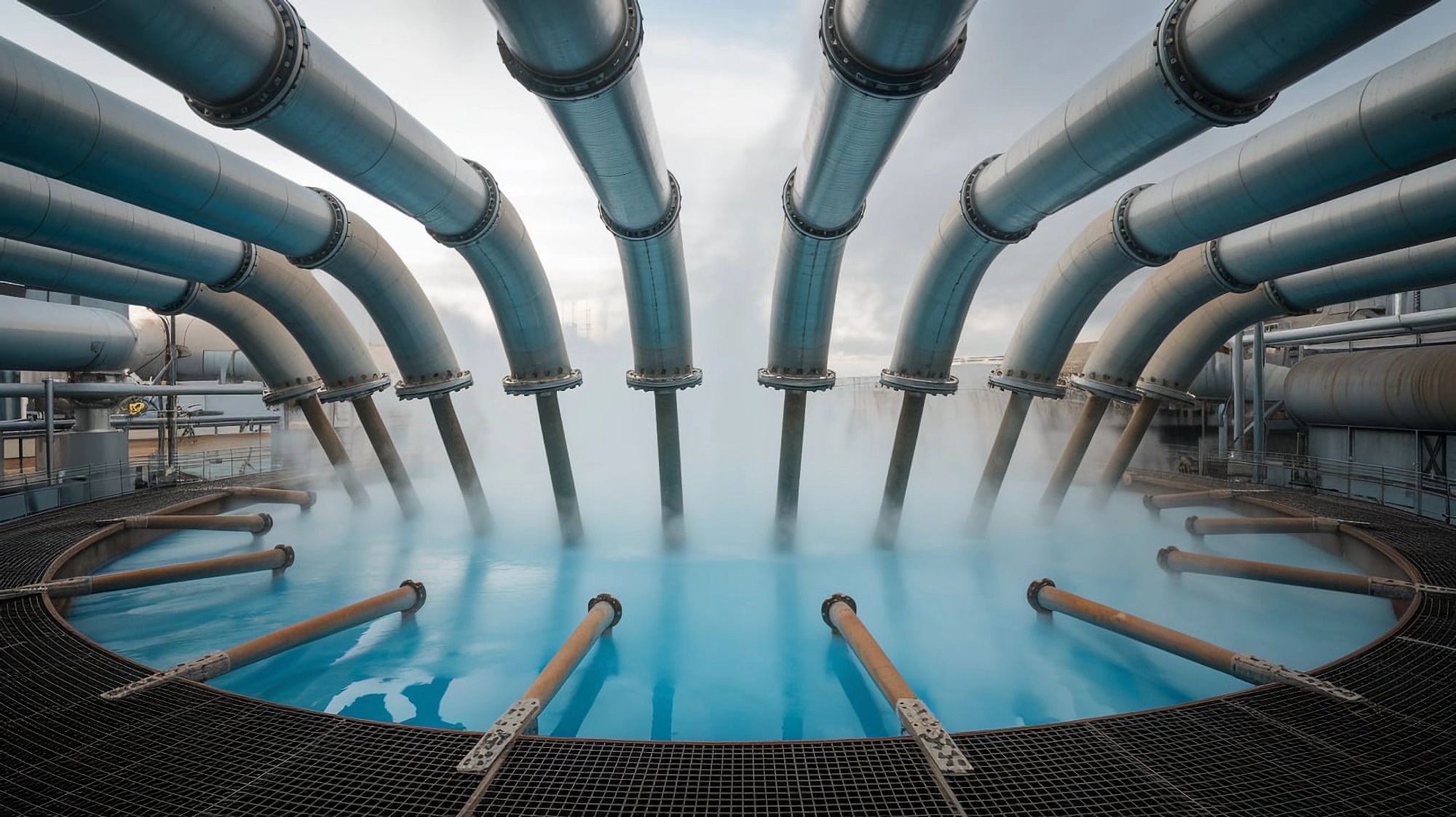
Comment: Smart, hybrid, integrated, and engineered geothermal (SHIEG) systems. Image Credit: Alrasyiqin / Shutterstock
A recent Comment article in the journal npj Thermal Science and Engineering introduces smart, hybrid, integrated, and engineered geothermal (SHIEG) systems as a new conceptual framework for sustainable energy production.
The article was authored by Alireza Dehghani-Sanij and Maurice B. Dusseault from the Waterloo Institute for Sustainable Energy (WISE), University of Waterloo, with Dusseault also affiliated with the university’s Department of Earth and Environmental Sciences. Co-author Ali Sayigh is Chairman of the World Renewable Energy Congress and Director General of the World Renewable Energy Network in Brighton, UK.
It proposes combining geothermal energy with renewable energy sources, thermal storage systems, and intelligent control strategies to create localized, resilient energy networks. For remote and off-grid communities that still rely heavily on diesel generation, SHIEG systems could offer a pathway to cleaner, more reliable, and lower-cost local power. The work highlights the growing importance of adaptable energy systems that can support decarbonization while remaining economically practical and technically scalable.
Developing Integrated Geothermal Energy Strategies
Fossil fuels still dominate worldwide energy production and continue to drive greenhouse gas emissions, climate change, and environmental degradation. Although renewable technologies such as solar and wind energy are expanding rapidly, their dependence on weather conditions creates challenges related to intermittency and energy storage. Geothermal energy offers a strong alternative because it can supply continuous baseload power with low carbon emissions and reliable long-term performance.
Earlier geothermal energy models mainly relied on standalone technologies or basic geothermal-solar integrations. Many systems lacked coordinated control mechanisms, large-scale energy storage, and adaptive operational management. The authors argue that future energy infrastructure must become more flexible, decentralized, and resilient to fluctuating demand and environmental changes. To overcome the limitations of existing geothermal systems, the authors introduce the smart, hybrid, integrated, and engineered geothermal (SHIEG) concept.
This framework addresses a critical challenge in the global energy transition: developing stable, low-carbon energy systems capable of meeting rising energy demand. The proposed framework integrates geothermal reservoirs with renewable energy technologies, thermal energy storage systems, smart monitoring platforms, and engineered subsurface infrastructure. It also highlights the role of intelligent control systems that use sensors, real-time monitoring, and machine learning to optimize system performance, improve operational stability, and reduce energy waste.
Design Framework and System Engineering Approach
The authors introduce a comprehensive SHIEG framework that integrates geothermal energy with renewable and conventional power technologies into a single, integrated energy platform. They categorize geothermal resources based on reservoir temperature and engineering applications. The framework examines conventional hydrothermal systems, enhanced geothermal systems, and binary cycle geothermal power plants.
The authors also explore engineering strategies designed to improve geothermal performance, including hydraulic stimulation, enhanced permeability techniques, and horizontal well configurations. These approaches aim to increase heat extraction efficiency, improve fluid circulation, and maintain long-term reservoir stability.
The conceptual framework also focuses strongly on intelligent monitoring and energy management. It integrates distributed sensors, thermal controllers, smart thermostats, and machine learning algorithms to monitor energy sources, storage allocations, end-use needs, and operational performance in real time. These control systems continuously optimize the balance between electricity generation, thermal storage, and energy consumption under changing environmental and operating conditions.
The authors describe a designed SHIEG system example for a remote northern Canadian Indigenous community with strong geothermal potential to illustrate practical feasibility. This approach allowed the authors to discuss long-term system performance, economic viability, and energy reliability under realistic operating conditions.
Performance Benefits and Multi-Source Energy Integration
The proposed SHIEG framework offers several advantages over less integrated geothermal and renewable energy systems. One of its central arguments is the ability of geothermal energy to provide continuous baseload power regardless of weather conditions. When geothermal systems operate alongside solar and wind technologies, the overall energy network becomes more stable and better equipped to manage daily and seasonal fluctuations in energy demand.
The authors highlight the role of geothermal reservoirs as large-scale thermal batteries. Excess electricity generated by wind turbines and photovoltaic systems can be converted into thermal energy and stored underground using geo-fluid circulation and conductive heat exchangers. These thermal recharge strategies help preserve long-term reservoir productivity while reducing the risk of thermal depletion over time.
Smart control systems play a key role in improving the efficiency of the SHIEG framework. Continuous monitoring enables the system to manage power generation, energy storage, and energy distribution in real time in response to changing demand conditions. Machine learning and predictive maintenance tools can detect operational inefficiencies, forecast servicing requirements, and reduce unexpected equipment failures. These capabilities improve system reliability while lowering long-term maintenance and operational costs.
The Canadian example illustrated the practical value of the SHIEG concept for remote communities that currently depend on diesel-powered electricity generation. The cited assessment considered multiple operating strategies that combined geothermal, solar, and wind energy systems to identify effective balances between energy production and storage. In one assessed strategy, optimized wind and solar photovoltaic capacities delivered approximately 50% of the community’s yearly electricity demand.
The cited techno-economic assessment further showed levelized electricity costs of 0.27-0.36 CAD$/kWh, significantly lower than existing diesel-based energy costs, while eliminating operational carbon emissions. It also reported estimated payback durations of approximately 13 to 19 years across the assessed strategies.
Future Outlook for Resilient Geothermal Infrastructure
SHIEG is presented as a promising strategy for developing more resilient and efficient integrated geothermal energy systems. The work shows that combining geothermal energy with renewable power sources, smart monitoring technologies, and advanced storage systems could significantly improve long-term energy reliability and operational flexibility.
The authors link geothermal reservoir engineering, intelligent energy management, and hybrid renewable integration by combining techno-economic discussion with site-specific energy assessment. They further emphasize the importance of localized energy production, thermal storage optimization, and smart control systems in improving system performance and reducing operational costs.
The design principles introduced in this framework could support the development of sustainable community energy networks, remote off-grid power systems, industrial heat recovery infrastructure, and low-carbon district energy systems.
Overall, the SHIEG concept could help remote communities reduce diesel dependence while providing a scalable framework for designing integrated geothermal energy platforms with improved sustainability, economic performance, and long-term energy resilience, while emphasizing that additional technical, economic, environmental, and social studies, as well as pilot projects, remain needed.
Download your PDF copy by clicking here.
Disclaimer: The views expressed here are those of the author expressed in their private capacity and do not necessarily represent the views of AZoM.com Limited T/A AZoNetwork the owner and operator of this website. This disclaimer forms part of the Terms and conditions of use of this website.
Source:
- Dehghani-Sanij, A., Dusseault, M. B., et al. (2026). Smart, hybrid, integrated, and engineered geothermal (SHIEG) systems. Npj Thermal Science and Engineering, 1(1), 9. DOI: 10.1038/s44435-026-00009-2, https://www.nature.com/articles/s44435-026-00009-2