Homogenization is essential in many industrial operations, including food, cosmetics, and pharmaceuticals. High-pressure homogenization and sonication are two popular techniques, but high-pressure homogenization has some distinct benefits, especially when leveraging Genizer high-pressure homogenizers.
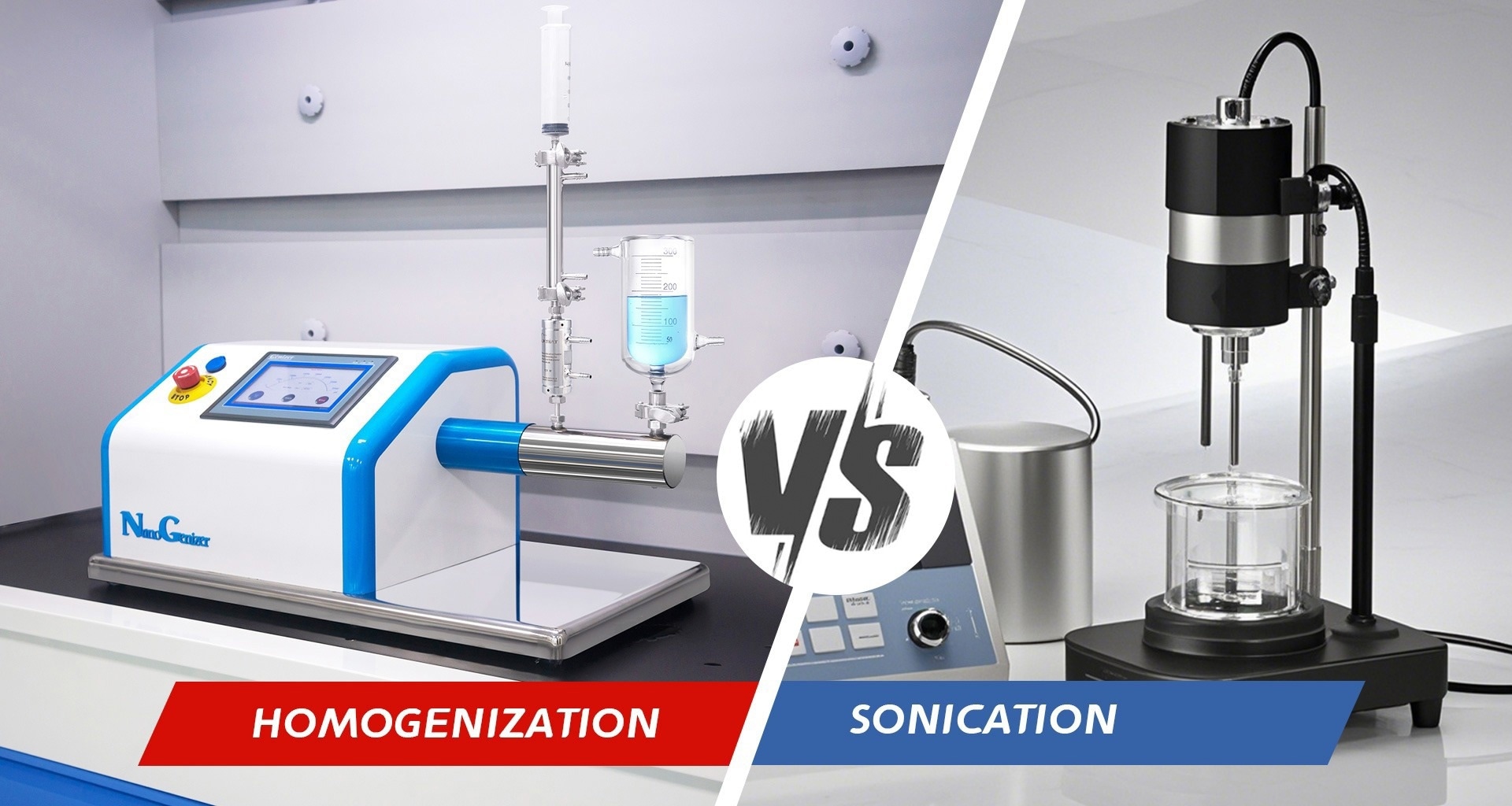
Image Credit: Genizer LLC
Smaller Particle Sizes
One significant advantage of using high-pressure homogenization rather than sonication is the former's ability to create smaller particle sizes. High-pressure homogenization uses substantially higher pressures to force the sample through a narrow valve, resulting in a more intense and efficient homogenization process.
This method results in reduced particle sizes, which is important for improving product quality, boosting bioavailability, and optimizing downstream processing stages like extraction or filtering.
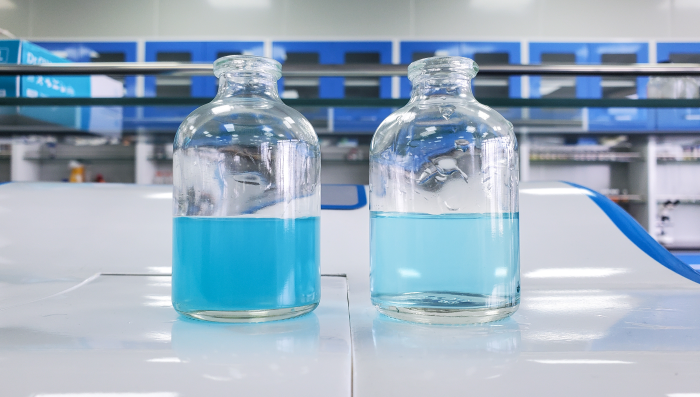
Using NanoGenizer experimental microjet high pressure homogenizer to homogenize samples (Left: before homogenization, Right: after homogenization). Image Credit: Genizer LLC
Scalability and Energy Efficiency
Two more advantages of high-pressure homogenization are its energy efficiency and scalability. High-pressure homogenization systems can handle larger amounts of material, making them more cost-effective and efficient for industrial-scale production.
High-pressure homogenization is much more energy-efficient than sonication, which means significant cost savings over time.
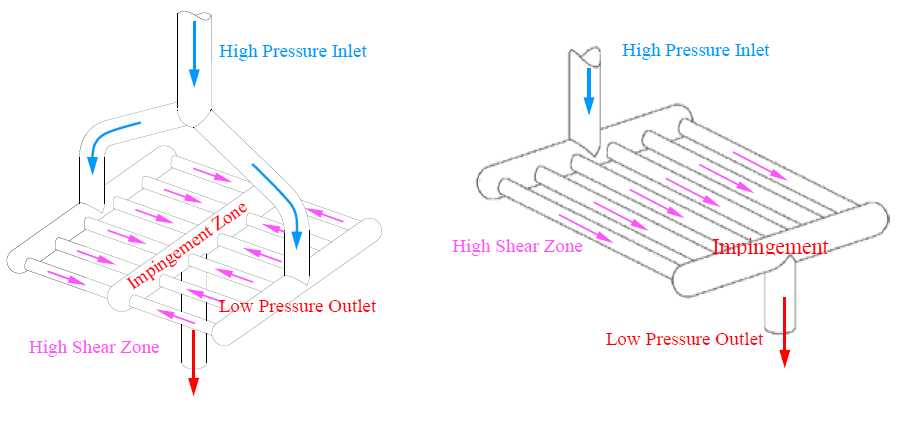
Connectable basic fittings of Genizer series microfluidic high pressure homogenizer. Image Credit: Genizer LLC
Gentler Processing Conditions
High-pressure homogenization can also be more gentle than sonication, particularly when working with delicate materials such as biologics or medicines.
This is because sonication produces cavitation and heat, which can damage sensitive chemicals and reduce overall product quality. High-pressure homogenization allows for more precise control of processing parameters, resulting in a gentler and more uniform homogenization process.
Genizer's high-pressure homogenizers are among the most efficient and dependable products on the market. They include innovative technology and user-friendly designs, provide exact control over process settings, and allow the gentle and efficient processing of a large number of samples.
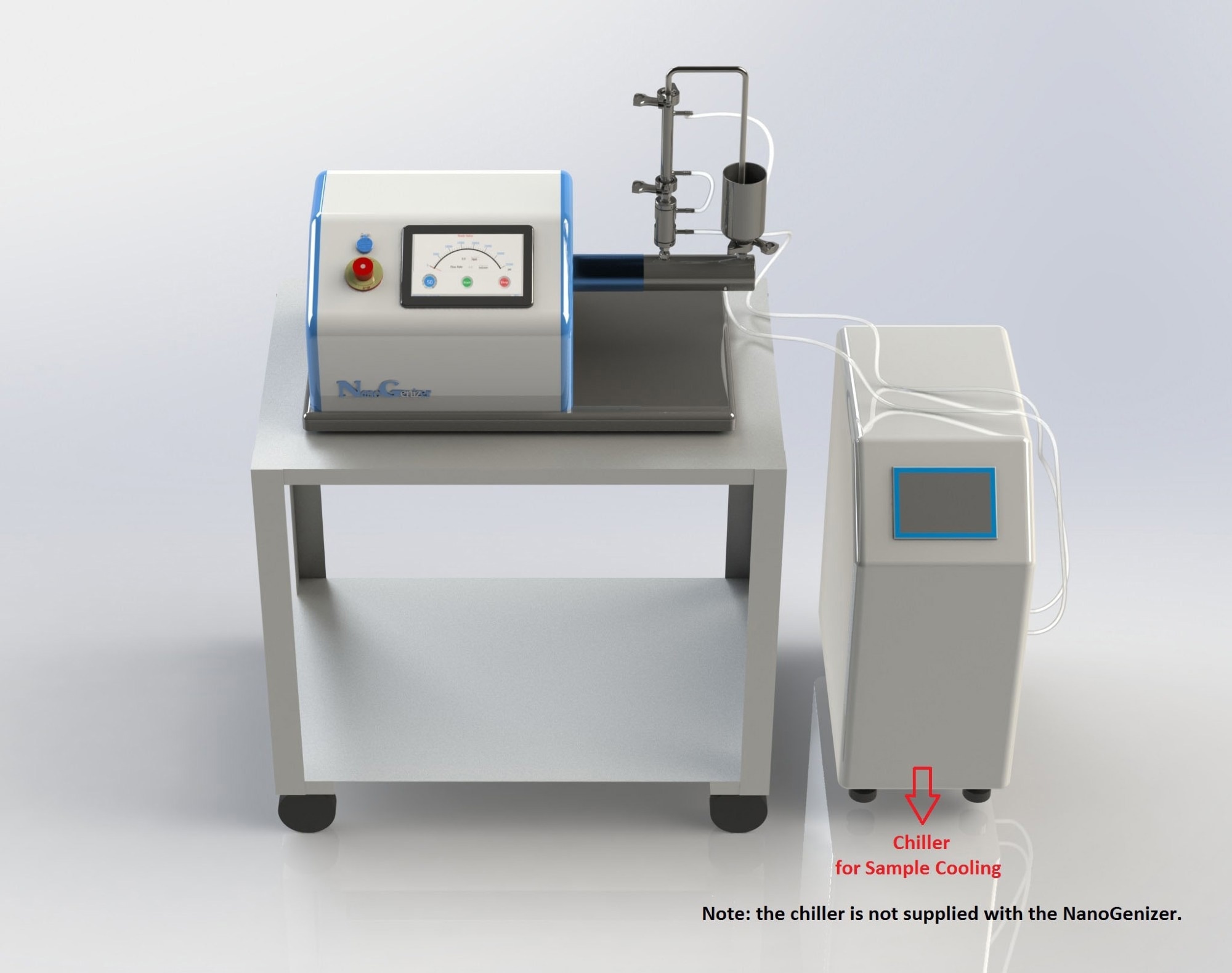
NanoGenizer high-pressure homogenizer is equipped with a thermal jacket connected to a chiller for temperature control. Image Credit: Genizer LLC
Summary
Though sonication is a useful method for sample processing, high-pressure homogenization has a number of advantages over it, including lower particle sizes, increased energy efficiency and scalability, and gentler processing conditions.
Genizer's high-pressure homogenizers enable users to leverage these benefits, making high-pressure homogenization a reliable, accessible, and cost-effective option for industrial-scale processing in a variety of industries.

This information has been sourced, reviewed and adapted from materials provided by Genizer LLC.
For more information on this source, please visit Genizer LLC.