In this interview, industry expert Megan Hartford explains how advanced materials, vertical integration, and automation strengthen aerospace supply chains, improve reliability, and support safer, more efficient manufacturing.
To start, could you explain Mid-Mountain Materials’ role in the aerospace and advanced manufacturing supply chain?
Mid-Mountain sits at a critical layer of the aerospace supply chain, providing mission-critical materials that ensure safety and performance. With the addition of custom engineering, vertical integration, and deep material expertise, we function as both a reliable materials supplier and a technical partner. This approach enables our customers to reduce risk, improve efficiency, and drive innovation.
For those less familiar with high-performance materials, what kinds of challenges do they help solve in aerospace applications?
High-performance materials play a critical role in helping aerospace manufacturers overcome some of the industry's most demanding engineering challenges. Aircraft and aerospace systems must operate reliably under extreme temperatures, fire exposure, high pressures, vibration, and other harsh environmental conditions.
Such materials also provide essential thermal management, fire protection, sealing, insulation, and system protection to ensure safety and performance. They also contribute to weight reduction, which improves fuel efficiency, reduces emissions, and enhances overall performance.
Why is supply chain resilience such an important issue for aerospace and defense manufacturers today?
Supply chain resilience is a critical issue for aerospace and defense manufacturers because production depends on complex global networks and highly specialized materials and components.
Disruptions caused by geopolitical tensions, trade restrictions, natural disasters, labor shortages, or supplier failures can lead to significant delays, increased costs, and reduced operational readiness. A resilient supply chain can help ensure continuity of production, mitigate risk, and enable manufacturers to reliably meet customer and mission-critical requirements.
Could you explain what vertical integration means in practical terms, and why it can matter for product quality, lead times, and consistency?
Vertical integration is a strategy of controlling multiple stages of the supply chain, from raw materials and component parts to fabrication and finishing. By bringing key processes in house, we’ve gained greater visibility and control over our production, enabling closer coordination and faster decision-making across departments.
This approach benefits our customers by minimizing external dependencies, maintaining rigorous quality control, and enabling the development of tailored solutions.
From a supplier’s perspective, what are some of the risks customers are trying to reduce when they look for domestic or vertically integrated manufacturing partners?
Domestic manufacturing and vertically integrated operations help mitigate the risk of disruptions caused by geopolitical tensions and global shipping delays. They also provide greater control over quality, consistency, production schedules, and IP, enabling issues to be identified and resolved more quickly.
Additionally, strategically located suppliers can reduce a customer’s exposure to cost volatility associated with freight rates, tariffs, and currency fluctuations. This increased control and visibility across the supply chain helps ensure more predictable lead times, reliable product availability, and greater business continuity.
Many aerospace applications require custom-engineered solutions. What typically drives the need for a custom product rather than an off-the-shelf material?
Custom solutions are vital because standard materials often cannot withstand the extreme temperatures, pressures, vibration, and corrosive environments encountered in service. Customization ensures materials meet stringent performance, safety, regulatory, and certification requirements while maintaining the precise tolerances and complex geometries that aerospace systems demand.
It also enables weight optimization and long-term reliability by tailoring material properties and designs to specific operating conditions. Ultimately, custom solutions allow engineers to achieve the exact performance, integration, and durability requirements of critical aerospace applications.
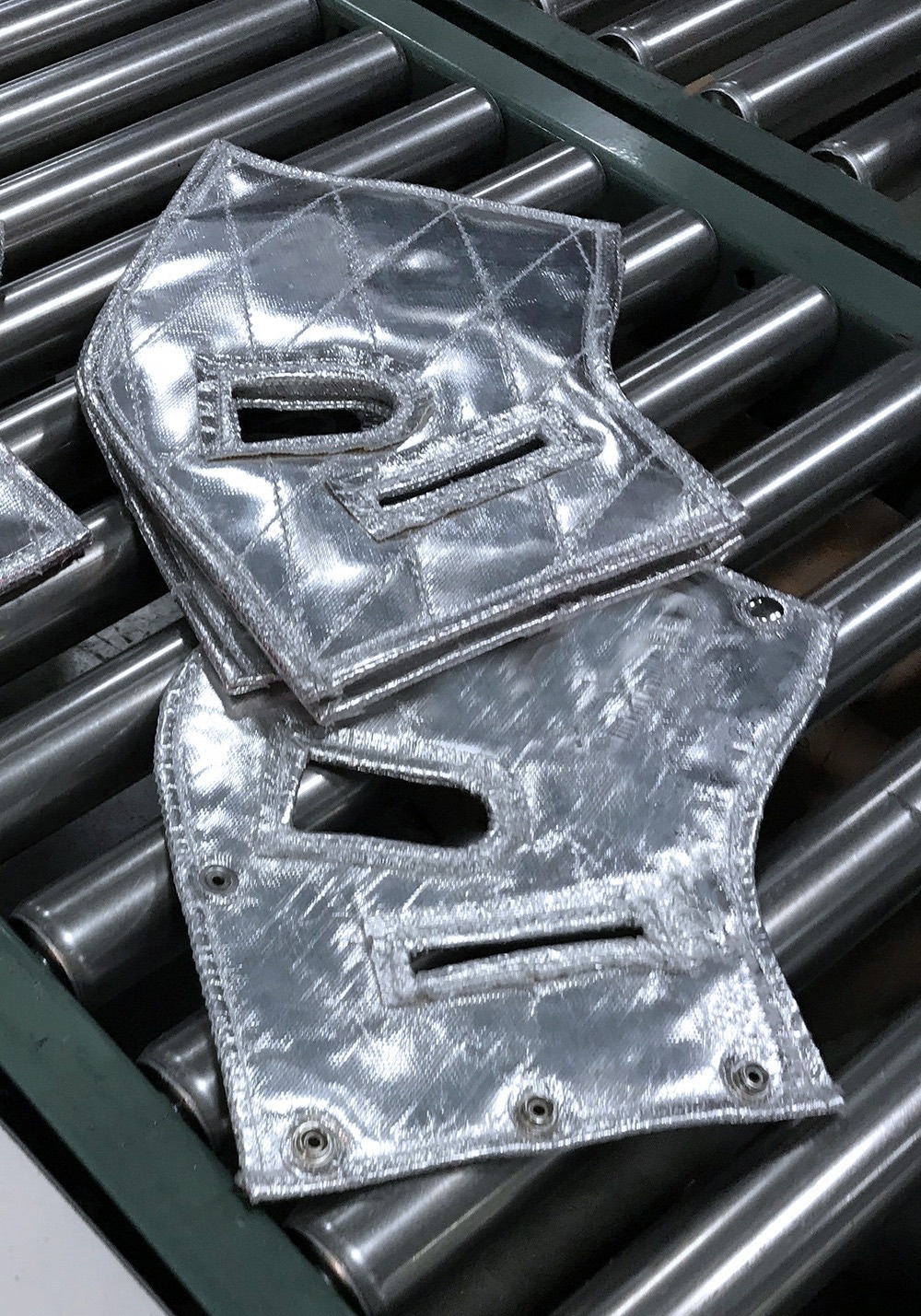
Image Credit: Mid-Mountain Materials, Inc
How can materials selection influence energy conservation, emissions reduction, or overall environmental impact for end users?
Material selection plays a key role in reducing emissions by improving system efficiency and lowering energy consumption over a product’s lifetime. Durable materials that resist wear, corrosion, and degradation help maintain performance, extend service life, and reduce the need for replacements.
Advanced materials can also enable more efficient technologies while improving recyclability and reducing overall resource use. As a result, thoughtful material choices help lower operating costs and minimize environmental impact across the product lifecycle.
Advanced technology and automation are transforming manufacturing across industries. What kinds of improvements can automated equipment bring to production environments?
Automated equipment boosts efficiency and throughput while reducing downtime and facilitating continuous operation. These technologies and tools improve quality, safety, and consistency by minimizing human error and reducing defects, and enable real-time monitoring for tighter process control. Automation also lowers costs by optimizing labor, materials, and energy while reducing waste.
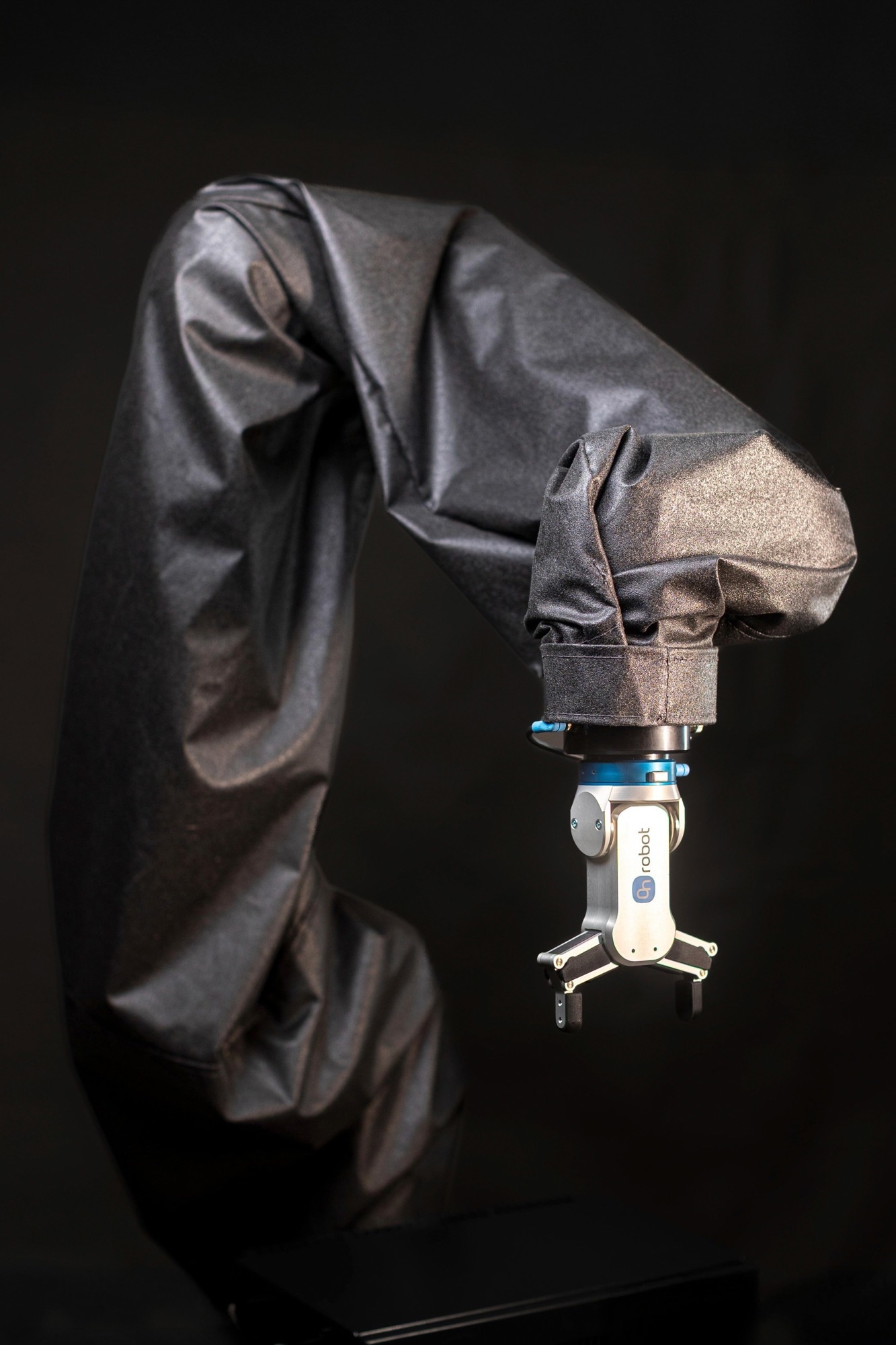
Image Credit: Mid-Mountain Materials, Inc
How are recent investments in automated equipment changing the way Mid-Mountain operates?
We’ve made continual investments in new equipment to support our team and strengthen our operations. This includes automating previously labor-intensive manual processes, allowing us to improve efficiency and consistency.
We’ve also commissioned new equipment to further our vertical integration by developing in-house capabilities. Most recently, we’ve custom-designed enhancements to our infrastructure that have expanded both our manufacturing competencies and product offerings.
As manufacturing becomes more technology-driven, what new skills are becoming important for the future workforce?
A strong work ethic, problem-solving skills, critical thinking, and continuous learning remain the foundation of a strong workforce. Expertise in automation, digital systems, data analysis, and advanced manufacturing is also becoming increasingly important.
Combining these competences helps team members adapt to evolving technologies and processes. Our investments in automated equipment are creating opportunities to develop these skills while gaining hands-on experience with modern production technologies.
As Mid-Mountain celebrates its 50th anniversary in 2026, how has the company’s contribution to aerospace materials evolved, and where do you see it heading next?
Our contribution has evolved from a materials supplier into a trusted engineering partner, delivering custom solutions for increasingly demanding aerospace applications. This growth has been driven by deep material expertise, vertical integration, and a focus on solving complex performance and safety challenges.
Today, investments in advanced manufacturing and automation are enhancing quality, consistency, and responsiveness. Looking ahead, Mid-Mountain is well-positioned to support next-generation aerospace technologies through continued innovation and close customer collaboration.
Image Credit: Mid-Mountain Materials, Inc
About Megan Hartford 
Megan Hartford serves as the Director of Global Sales at Mid-Mountain Materials, Inc. where she leads strategic sales initiatives and develops partnerships across diverse industrial markets worldwide. With a strong focus on customer solutions and business growth, she helps clients identify innovative thermal insulation and high-performance material technologies that enhance safety, efficiency, and performance.
This information has been sourced, reviewed, and adapted from materials provided by Mid-Mountain Materials, Inc.
For more information on this source, please visit Mid-Mountain Materials, Inc.
Disclaimer: The views expressed here are those of the interviewee and do not necessarily represent the views of AZoM.com Limited (T/A) AZoNetwork, the owner and operator of this website. This disclaimer forms part of the Terms and Conditions of use of this website.