Conventional gas leak detection techniques often fail to deliver sufficient accuracy, speed, and usability. In light of this, leak detection and repair (LDAR) programs play a crucial role in preserving environmental compliance, operational safety, and affordability throughout industrial facilities.
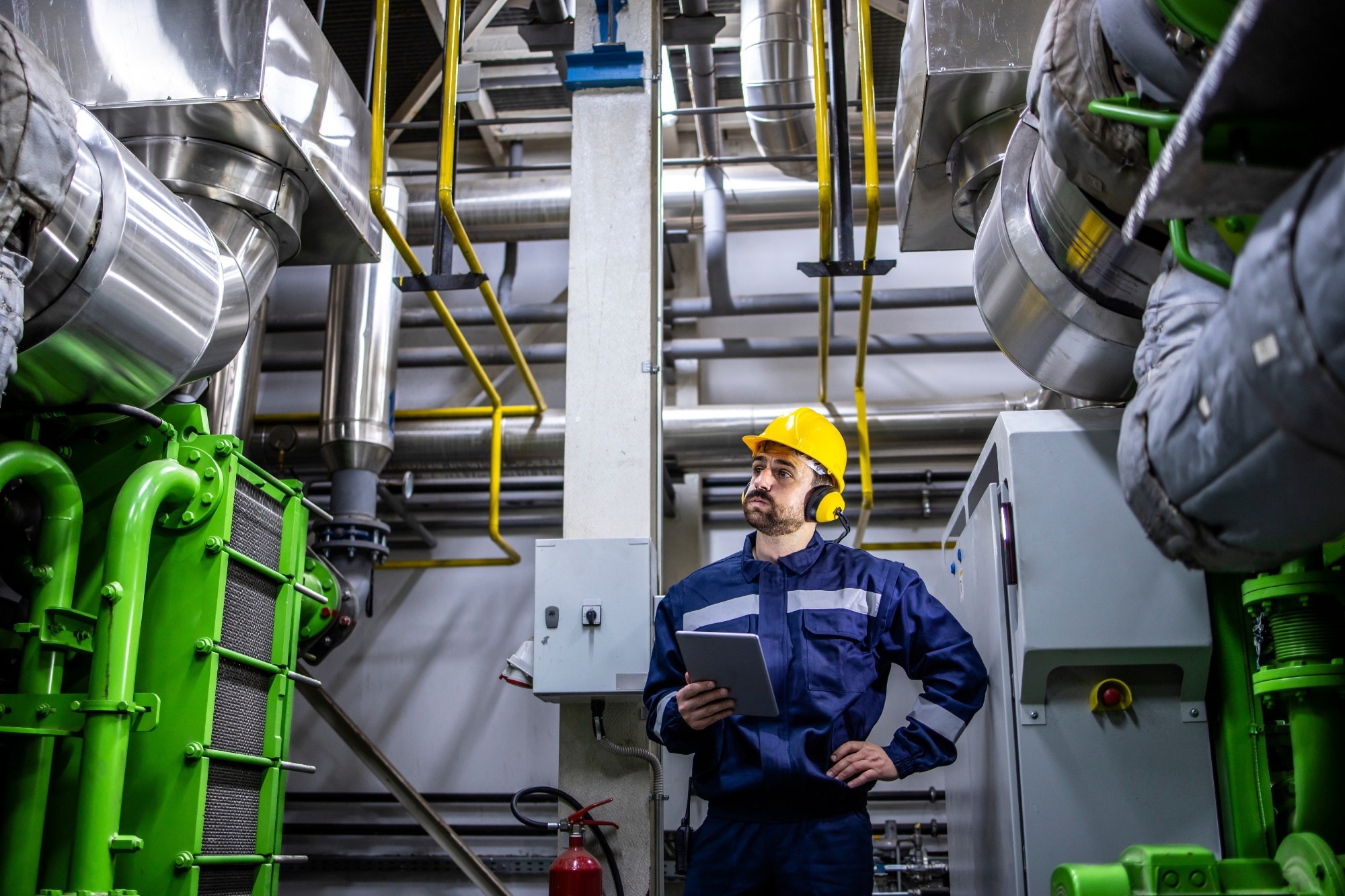
Image Credit: Aleksandar Malivuk/Shutterstock.com
A key technique is optical gas imaging (OGI) technology. Recent developments in this technology are transforming how organizations identify, visualize, and quantify real-time gas emissions.
This article outlines critical insights from a technical webinar on handheld OGI and its role in enhancing LDAR performance, providing a clear, search-optimized summary of how OGI improves leak detection, compliance, and operational efficiency.
The Evolution of Gas Leak Detection
Gas leak detection has transformed substantially over the past century. Early techniques depended on indirect indicators, such as animal behavior, or basic methods, such as applying soapy water to detect bubbles. These strategies were time-intensive, unreliable, and frequently hazardous.
While subsequent concentration-based detection instruments enhanced precision, they still required proximity to potential leaks and lacked precise localization capabilities.
Modern optical gas imaging represents a significant breakthrough. By utilizing infrared technology to visualize gas emissions, OGI enables operators to instantly “see” leaks, removing guesswork and substantially streamlining inspection workflows.
What is OGI?
OGI technology utilizes infrared cameras to detect hydrocarbon gases and volatile organic compounds (VOCs). These cameras isolate specific wavelengths absorbed by gas molecules, visualizing otherwise invisible emissions in real time.
Key Capabilities of OGI:
- Instantaneous visualization of gas leaks
- Detection of methane and hundreds of VOCs
- Remote operation for better safety
- Quick inspection of large facilities
In contrast to conventional techniques, OGI enables immediate determination of a leak’s exact source without depending solely on concentration readings.
How OGI Enhances LDAR Programs
1. Faster Leak Detection and Localization
OGI cameras enable rapid equipment scanning and instant leak identification, substantially decreasing inspection time and improving maintenance response.
2. Improved Safety Through Remote Operation
Since OGI systems operate at a distance, technicians avoid direct exposure to hazardous gases or hard-to-reach equipment, enhancing overall workplace safety.
3. Elevated Sensitivity for Early Detection
Advanced OGI systems are an effective complement to Method 21 analyzers, such as toxic vapor analyzers. Together, they can detect very small leaks, allowing for early intervention before problems develop into safety or environmental hazards.
4. Easy-to-Use Operation
Contemporary OGI devices are engineered for ease of use, allowing operators to carry out inspections with minimal training while maintaining exceptional accuracy.
Advanced Features of Modern OGI Cameras
Multi-Gas Detection and Spectral Filtering
Contemporary OGI systems can detect a wide variety of gases by switching spectral filters in just a few minutes. This capability improves versatility across diverse industrial applications and environments. In addition, optimized filters enhance performance under demanding conditions such as elevated humidity or long-distance inspections.
Integrated Quantification for Reporting
Quantification tools enable leak rate estimation directly from captured data. This is crucial for regulatory compliance and emissions reporting, facilitating data-driven decision-making.
Self-Calibration and Reliability
Newer systems include self-calibration features that confirm detection precision each time the device is used. This helps ensure consistent performance, minimizing the need for manual calibration procedures.
Long Battery Life and Operational Efficiency
Extended battery life enables continuous inspections throughout entire work shifts, minimizing downtime and boosting productivity.
Expanding LDAR with Integrated Monitoring Solutions
While handheld OGI cameras are robust instruments, large facilities often require broader monitoring approaches.
Fixed Monitoring Systems
Fixed OGI systems deliver continuous, facility-wide monitoring by integrating several detection technologies, including sensors, cameras, and environmental data inputs.
These systems:
- Learn facility-specific behavior through AI-driven analytics
- Deliver instantaneous alerts and leak localization
- Identify abnormal emission patterns
Drone-Based Inspections
Aerial platforms fitted with OGI cameras extend coverage to difficult-to-access areas, such as pipelines, storage tanks, elevated structures, and remote infrastructure.
Integrated Detection Ecosystem
Combining handheld devices, fixed systems, and drone platforms creates a holistic monitoring approach, maximizing coverage and minimizing undetected emissions.
The Role of Regulation in OGI Adoption
Environmental regulations are a principal driver of OGI adoption across the globe. Compliance frameworks require precise detection, quantification, and reporting of emissions.
OGI technology facilitates compliance by satisfying regulated detection sensitivity limits, enabling precise emissions quantification, and delivering audit-ready inspection data.
As regulations continue to evolve, innovative OGI systems are becoming crucial instruments for satisfying both current and future requirements.
Operational and Cost Advantages of OGI
In addition to compliance, OGI provides measurable operational advantages:
- Decreased inspection time and labor expenses
- Reduced maintenance costs through early detection
- Lower product loss from undetected leaks
- Better environmental performance
By preventing leaks and optimizing inspection workflows, OGI helps save money and boost operational efficiency in the long term.
Conclusion
Optical gas imaging is redefining how industries approach leak detection and environmental monitoring. By enabling instantaneous visualization, precise localization, and dependable gas emission quantification, OGI helps substantially improve LDAR programs.
As regulatory pressures grow and operational efficiency becomes increasingly crucial, combining handheld, fixed, and aerial OGI solutions offers a scalable, future-proof approach to emissions management.
Organizations that implement these technologies position themselves to enhance safety, minimize costs, and achieve better standards of environmental compliance.
References and Further Reading
- Webinar: Seeing Gas Leaks in Real Time: How Handheld Optical Gas Imaging Improves LDAR
- Flyer: Live stream option for Opgal EyeCGas optical gas imaging cameras
- Video: EyeCGas OGI Camera capabilities
- Opgal EyeCGas Optical Gas Imaging Camera Resources
- Resources for Industrial Hygiene
Acknowledgments
Produced from materials originally authored by Bob Gallagher.
This information has been sourced, reviewed, and adapted from materials provided by Thermo Fisher Scientific – Environmental and Process Monitoring Instruments.
For more information on this source, please visit Thermo Fisher Scientific – Environmental and Process Monitoring Instruments.