The oil and gas sector is subject to stringent regulatory requirements, including routine inspections and maintenance, particularly through leak detection and repair (LDAR) programs mandated by the Environmental Protection Agency (EPA) at numerous sites.
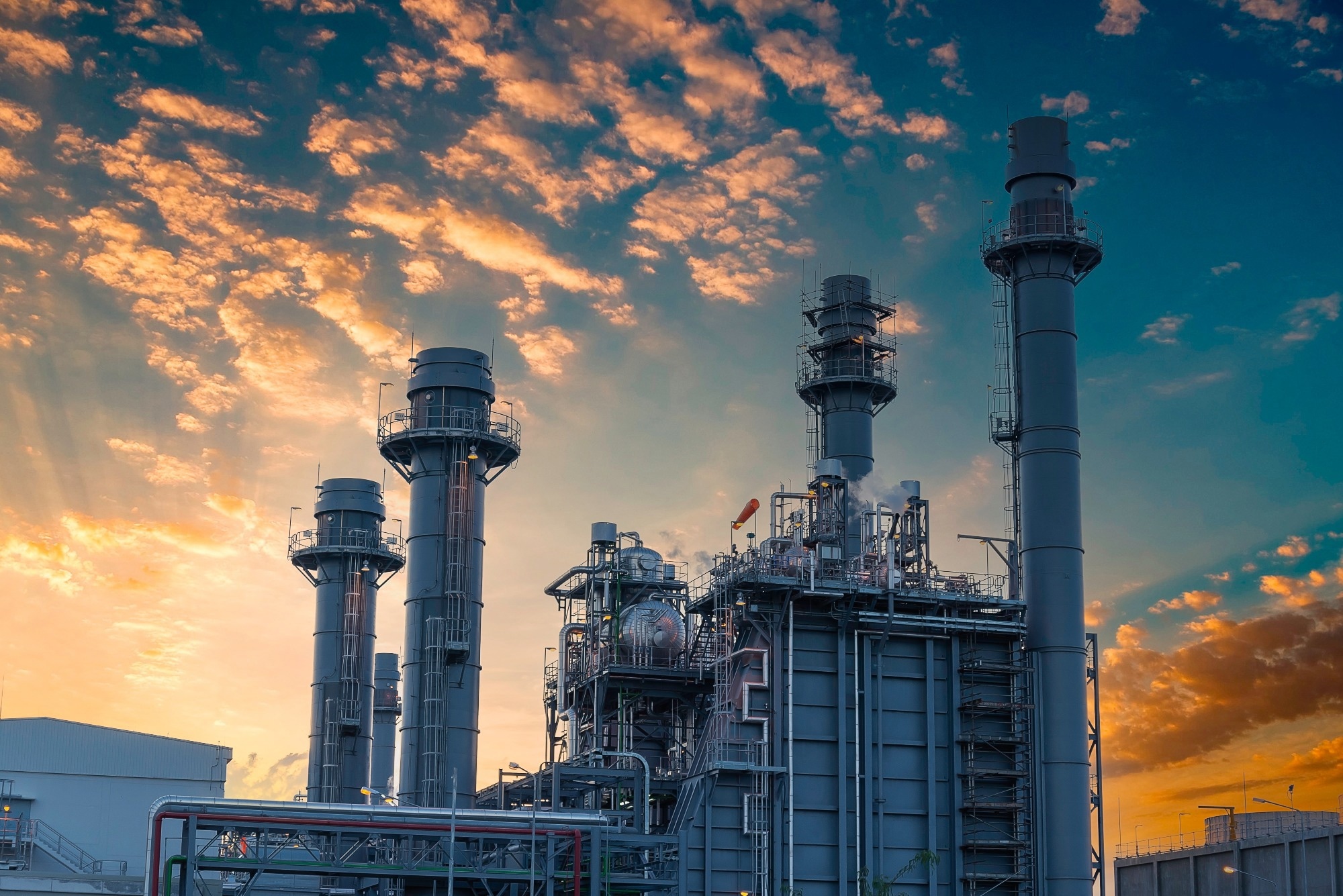
Image Credit: tonkid/Shutterstock.com
Toxic vapor analyzers (TVAs) detect gas leaks, and their efficacy is enhanced by optical gas imaging (OGI) cameras, specialized infrared devices that visualize them.
The Danger of Gas and Vapor Leaks
Fugitive emissions are unintended gas or vapor leaks from pressurized industrial equipment that present substantial risks to workers, communities, and the environment.
These emissions can occur throughout the gas’s journey from the well to the client, with valves and connectors serving as significant sources of leaks in the United States, according to the EPA.
Natural gas moves through an intricate network of transmission pipelines that require routine monitoring to prevent faults and leaks. Offshore drilling rigs, which handle volatile substances under harsh conditions, similarly require continuous oversight to avoid possible disasters.
Liquefied natural gas (LNG) terminals, which handle and transport LNG, rely on early leak detection to mitigate major incidents and guarantee safety.
Harm Reduction Technology
In oil refineries, gas leak detection cameras enable rapid and safe fugitive emission detection, facilitating quick repairs and helping to avoid substantial damage and regulatory fines.
Integrating TVAs with OGI cameras serves as a robust solution for routine inspections, maintenance, and regulatory compliance. This technology partnership enables more efficient leak detection and quantification, aligning with global environmental standards. OGIs can identify and quantify methane, along with more than 400 volatile organic compounds (VOCs).
Supported by thermographic imaging, these devices deliver thermal measurements and color palettes, with wireless capabilities that enable seamless data transmission, remote operation, and instantaneous result sharing.
By integrating TVAs with OGI cameras, the oil and gas sector can achieve a sophisticated solution for leak detection and quantification. This combined approach improves safety, efficiency, and regulatory compliance, supporting a safer environment for all.
References and Further Reading
- Application Note: Handheld OGI camera for gas leak detection and quantification
- Thermo Fisher Scientific (2026). eBook - A Guide to Monitoring Fugitive Emissions and Developing a Leak Detection and Repair (LDAR) Program | Thermo Fisher Scientific - US. Available at: https://www.thermofisher.com/us/en/home/global/forms/industrial/epm-monitoring-fugitive-emissions-ldar-program-ebook-registration-form.html.
- US EPA, O. (2016). Method 21 - Volatile Organic Compound Leaks. US EPA. Available at: https://www.epa.gov/emc/method-21-volatile-organic-compound-leaks.
- Blog article: EMEA Regulations on Leak Detection (LDAR)
- Product Information: Thermo Scientific™ TVA2020 Toxic Vapor Analyzer and Thermo Scientific™ OPGAL EyeCGas® Optical Gas Camera
Acknowledgments
Produced from materials originally authored by Bob Gallagher.

This information has been sourced, reviewed, and adapted from materials provided by Thermo Fisher Scientific – Environmental and Process Monitoring Instruments.
For more information on this source, please visit Thermo Fisher Scientific – Environmental and Process Monitoring Instruments.