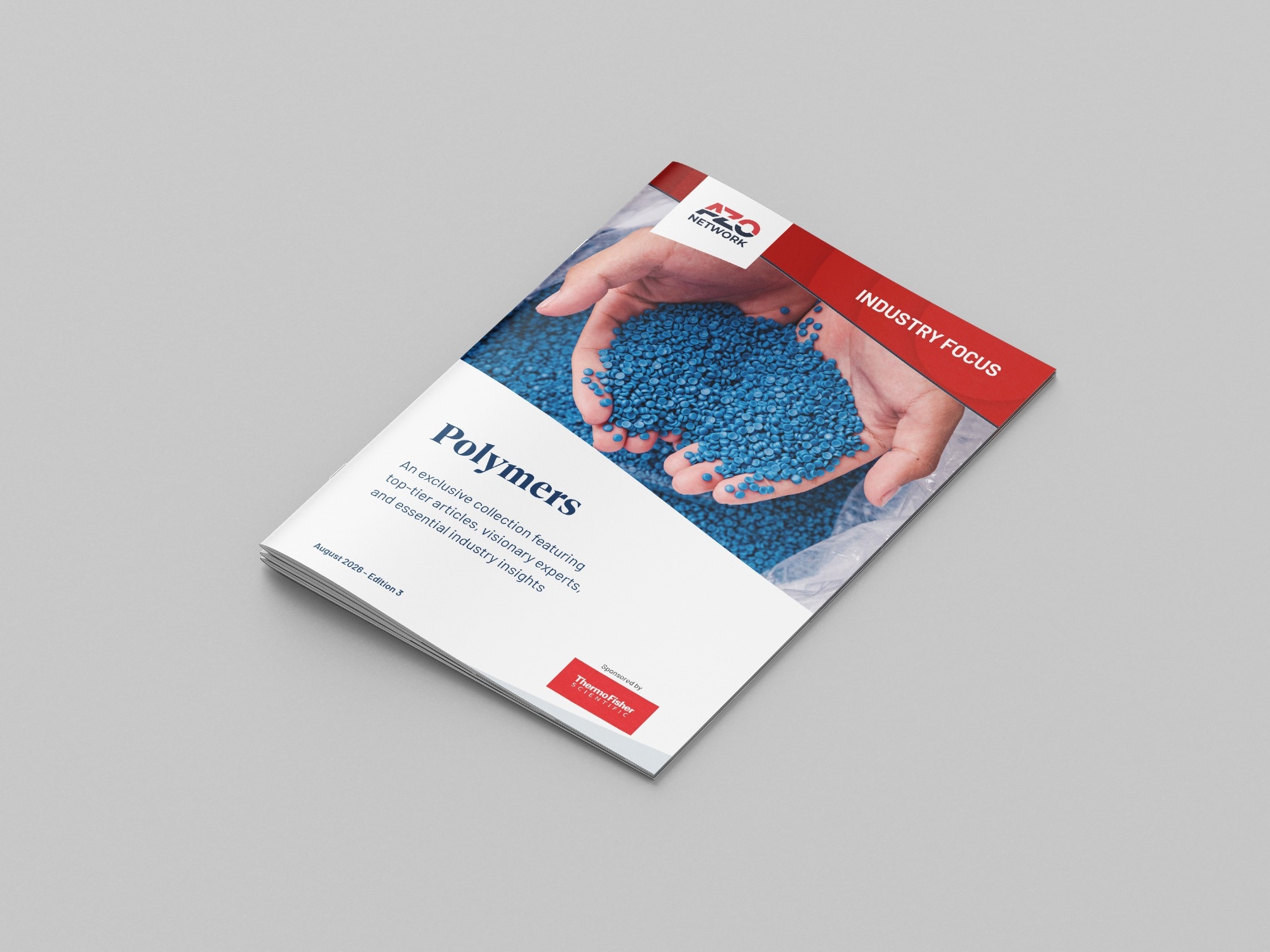
Polymer science is a key driver of modern materials innovation, influencing everything from high-performance engineering plastics to energy storage and more sustainable materials. As industries push for better performance, efficiency, and environmental impact, polymers continue to lead the way in how materials are designed and used.
Our latest Polymers Industry Focus eBook compiles technical insights, application-driven research, and analytical perspectives that reflect how the field is evolving and where it’s heading next.
Here’s a quick look at what’s inside:
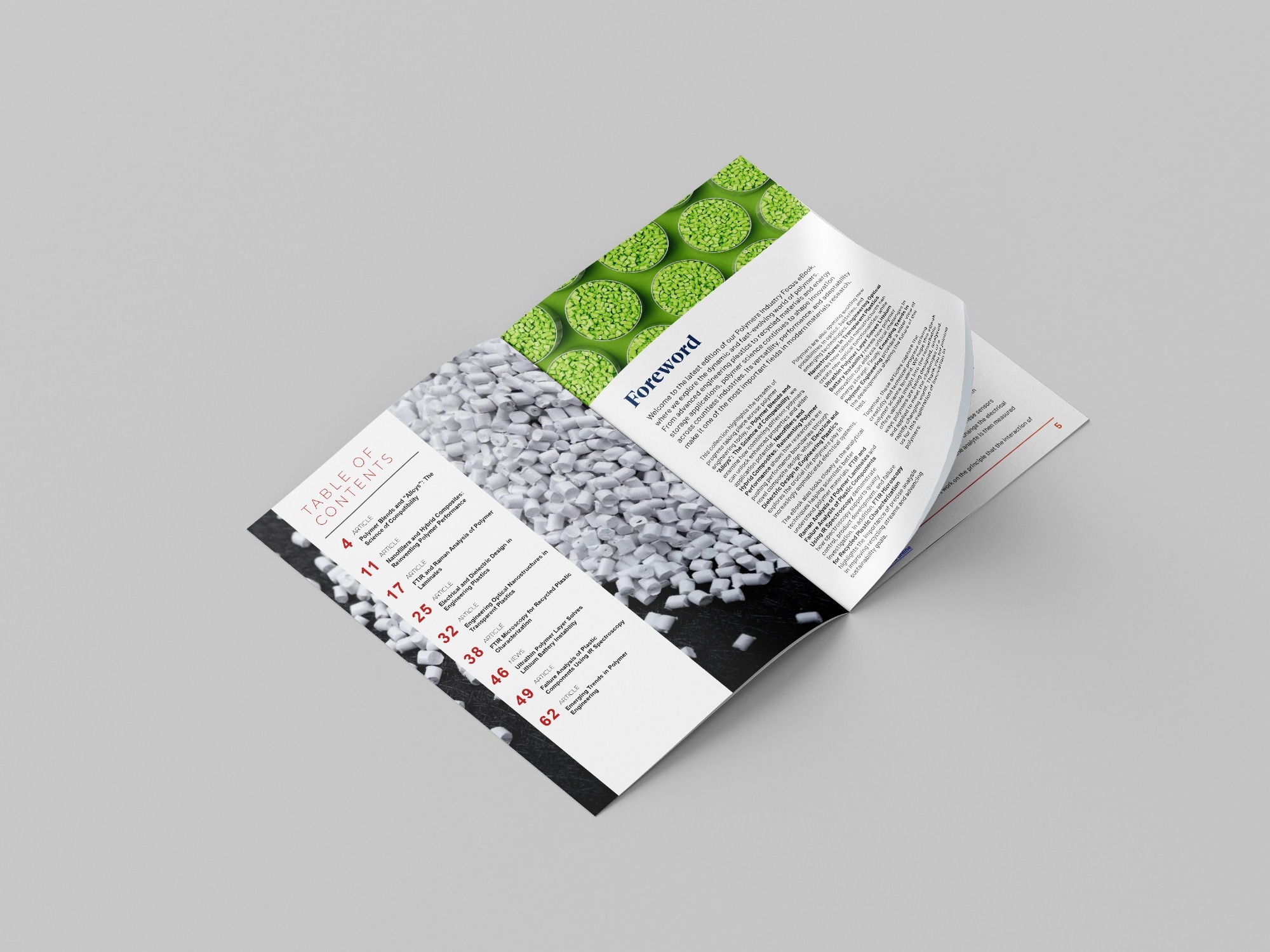
- The role of nanofillers and hybrid composites in pushing the limits of material properties
- Key considerations in electrical and dielectric design for modern engineering plastics
- How FTIR and Raman spectroscopy are supporting polymer analysis, quality control, and failure investigation
- Advances in recycled plastic characterization and their impact on sustainability efforts
- Emerging applications in optics and energy storage, including nanostructured plastics and battery materials
- Broader trends shaping the future of polymer engineering across industries
Download the eBook
We also explore the analytical techniques that underpin progress in polymer science. From spectroscopy-based methods to advanced microscopy approaches, these tools are helping researchers better understand material structure, performance, and reliability across a wide range of applications.
You’ll find insights into how polymers are being tailored for increasingly complex environments, alongside innovations that address challenges in areas such as recycling, electrical systems, and energy storage.
This eBook offers a clear, practical view of how polymer science is advancing in both research and real-world applications. Whether you are working in materials development, testing, manufacturing, or product design, it provides relevant insights to help you stay informed and up to date.
Download the eBook
This information has been sourced, reviewed and adapted from materials provided by Thermo Fisher Scientific - Materials Characterization.
For more information on this source, please visit Thermo Fisher Scientific - Materials Characterization.