Microplastics are increasingly being detected across aquatic environments, food and beverage products, and biological systems. As concerns around their potential environmental and health impacts grow, researchers need reliable and reproducible methods to detect, identify, and characterize these pervasive particles. Yet differences in sampling, preparation, identification, and reporting continue to create challenges across microplastics research.
That’s why we’ve put together the Microplastics Analysis: Methods, Automation and Applications eBook. It brings together analytical approaches and real-world applications exploring how researchers can improve accuracy, consistency, and efficiency in microplastic analysis.
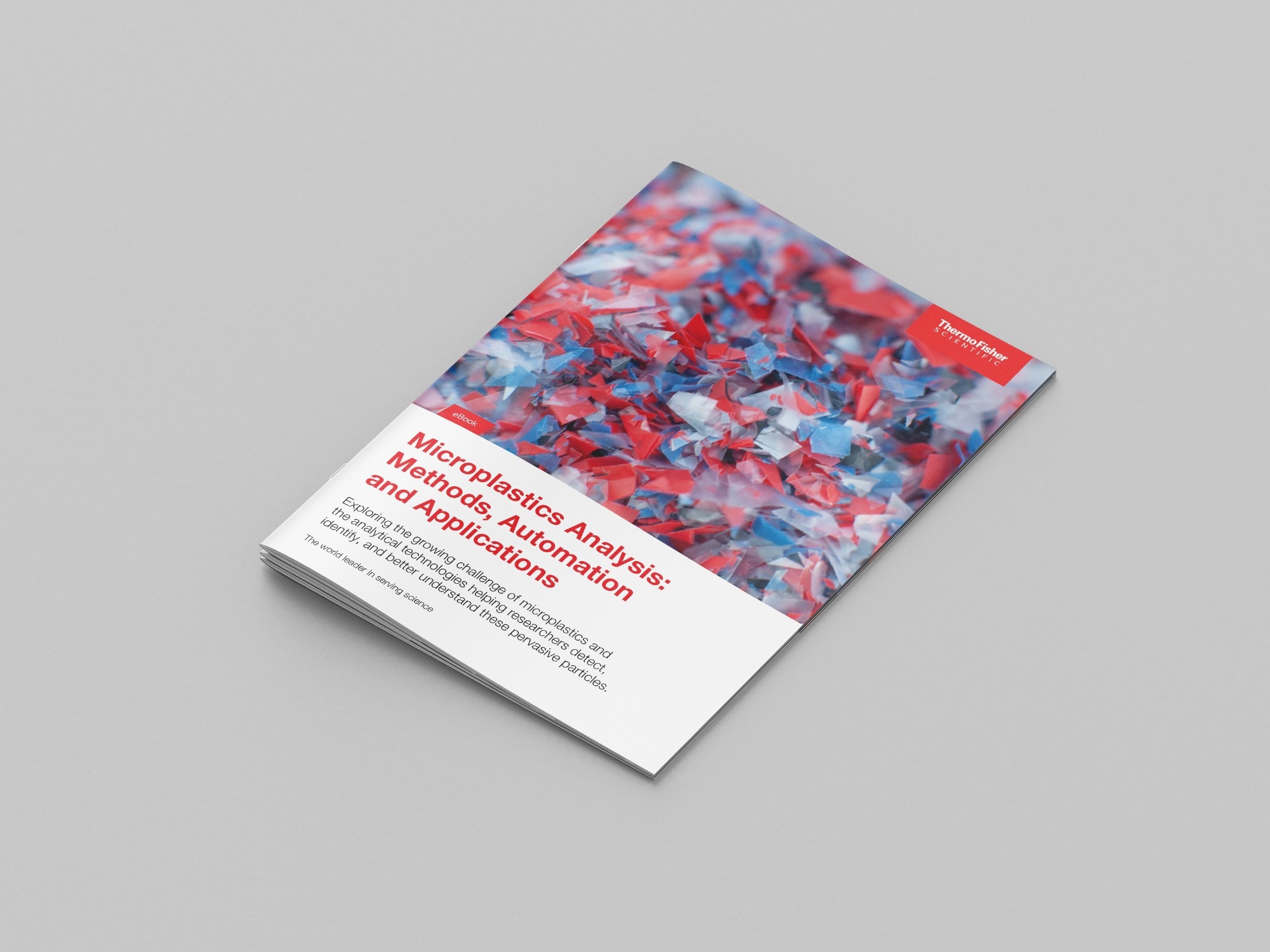
Download the eBook
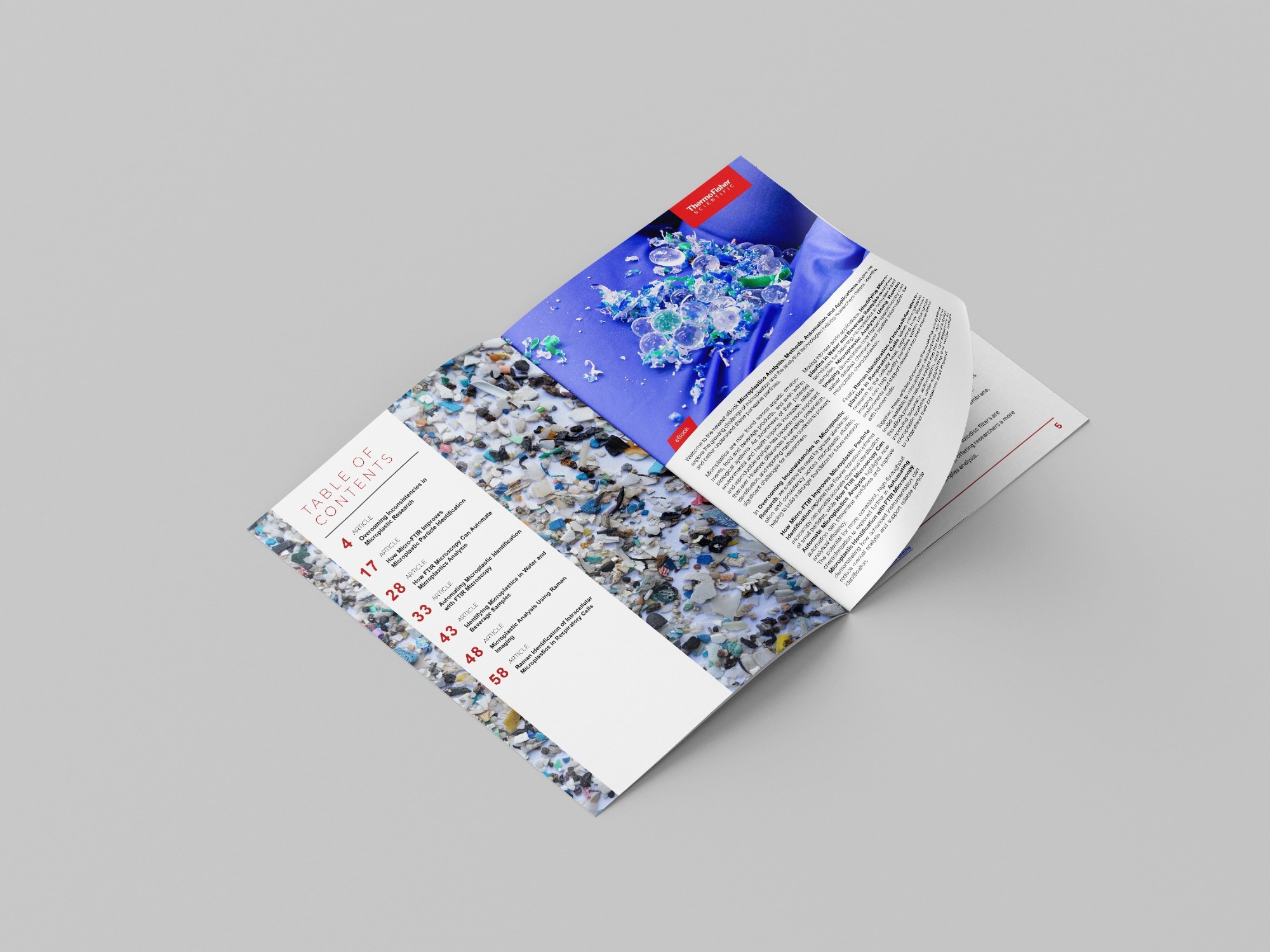
Here’s a quick look at what’s inside:
- Why greater standardization and consistency are needed across microplastic studies
- How micro-FTIR supports accurate chemical identification of small microplastic particles
- Ways automation and FTIR microscopy can streamline workflows and support high-throughput analysis
- Techniques for detecting and identifying microplastics in water and beverage samples
- How Raman imaging provides detailed chemical and spatial information for microplastic characterization
- The use of Raman imaging to identify intracellular microplastics in respiratory cells
Beyond improving analytical efficiency, the collection explores applications across a range of sample types and environments. You’ll find examples covering complex liquid samples as well as research at the cellular level, where Raman imaging can help identify particles within biological environments and support investigations into their interactions with human cells.
Taken together, it’s a broad look at the evolving analytical toolkit available for microplastics research and the technologies helping improve accuracy, automation, and confidence in microplastic analysis.
So, whether you’re working in microplastics research, environmental analysis, food and beverage testing, or biological applications, this eBook offers practical insights into the methods and technologies advancing microplastic characterization.
Download the eBook

This information has been sourced, reviewed and adapted from materials provided by Thermo Fisher Scientific - Vibrational Spectroscopy.
For more information on this source, please visit Thermo Fisher Scientific - Vibrational Spectroscopy.