As demand for batteries increases and new technological capabilities increase, battery research and development must adapt without sacrificing quality. In this context, new battery chemistries require improvements in efficiency, safety, and stability.
From selecting suitable materials to predicting long-term battery behavior, every stage of development can benefit from reliable and efficient diagnostic thermo-electrochemical characterization.
The world’s best battery research, development, and quality control teams have adopted in situ and in operando isothermal microcalorimetry to measure the parasitic heat generated by batteries during cycling. Measuring these thermal reactions can provide valuable information about a battery’s efficiency and underlying chemistry.
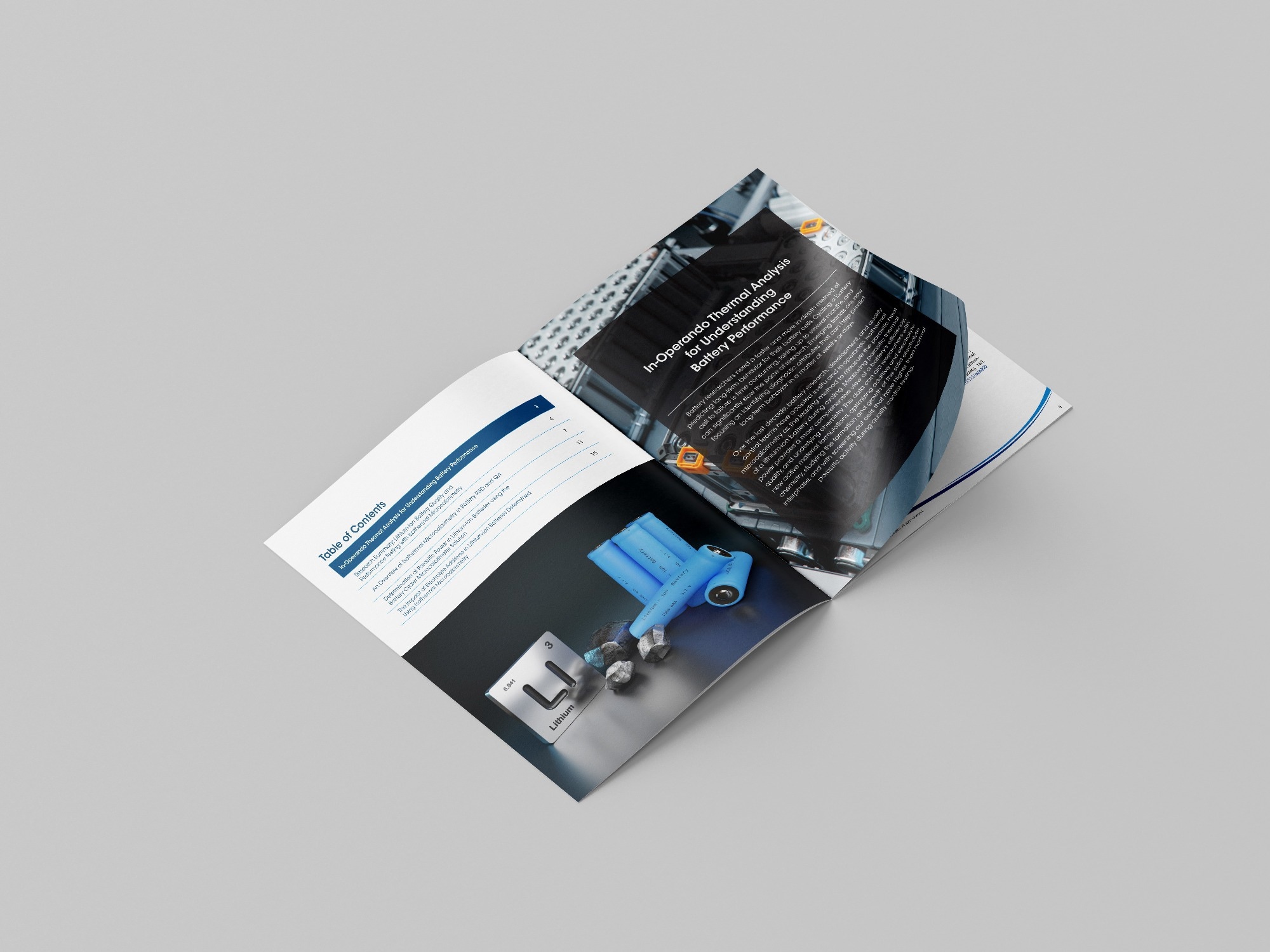
This eBook offers an introduction to in operando isothermal microcalorimetry and includes examples of experiments conducted in laboratories around the world that apply this technique in battery research.
The eBook provides answers to key questions, including:
- How can I measure the thermal management of my battery cell?
- Which electrolyte additives will support improved performance?
- How can I formulate active materials for better batteries?
- When will my battery fail?
- Is my battery quality verified by data?
The studies included in this eBook show how in operando thermal analysis supports efficient, successful battery development and quality assurance.

This information has been sourced, reviewed, and adapted from materials provided by TA Instruments.
For more information on this source, please visit TA Instruments.