Sponsored by LuxorReviewed by Ify IsiborJun 23 2026
In May 2023, Thermo Scientific invited LUXOR to join an expedition to the Fagradalsfjall volcano in Iceland to examine microbial life and metastable minerals in lava tubes formed by volcanic eruptions.
The Aims of the Expedition
During a previous expedition in 2021, Thermo Scientific introduced a Phenom desktop SEM to the Selvagens Islands. In 2023, their ambitions took a more explosive turn. They set up a Phenom XL Desktop SEM and a LUXOR Pt sputter coater across the vast plains surrounding the Fagradalsfjall volcano in southwest Iceland.
Their goal was to carefully study microbial and mineral samples while monitoring their transformations during the cooling process. The focus was on identifying the metastable minerals that emerge while lava tubes remain hot, along with examining how microbial life colonizes these environments.
These discoveries could provide valuable insights into the origins of planet Earth and perhaps even into the formation of planetary lava tubes on Mars.
The Italian organization La Venta Esplorazioni Geografiche organizes and conducts geographical and environmental exploration projects in remote and difficult-to-access locations. Alongside this group, Thermo Scientific carried out a successful expedition.
During the mission, a number of novel minerals and microbes were evaluated on site using SEM. It is promising to see that SEM technology can serve as a scientific instrument for exploration and fieldwork, even under demanding conditions.
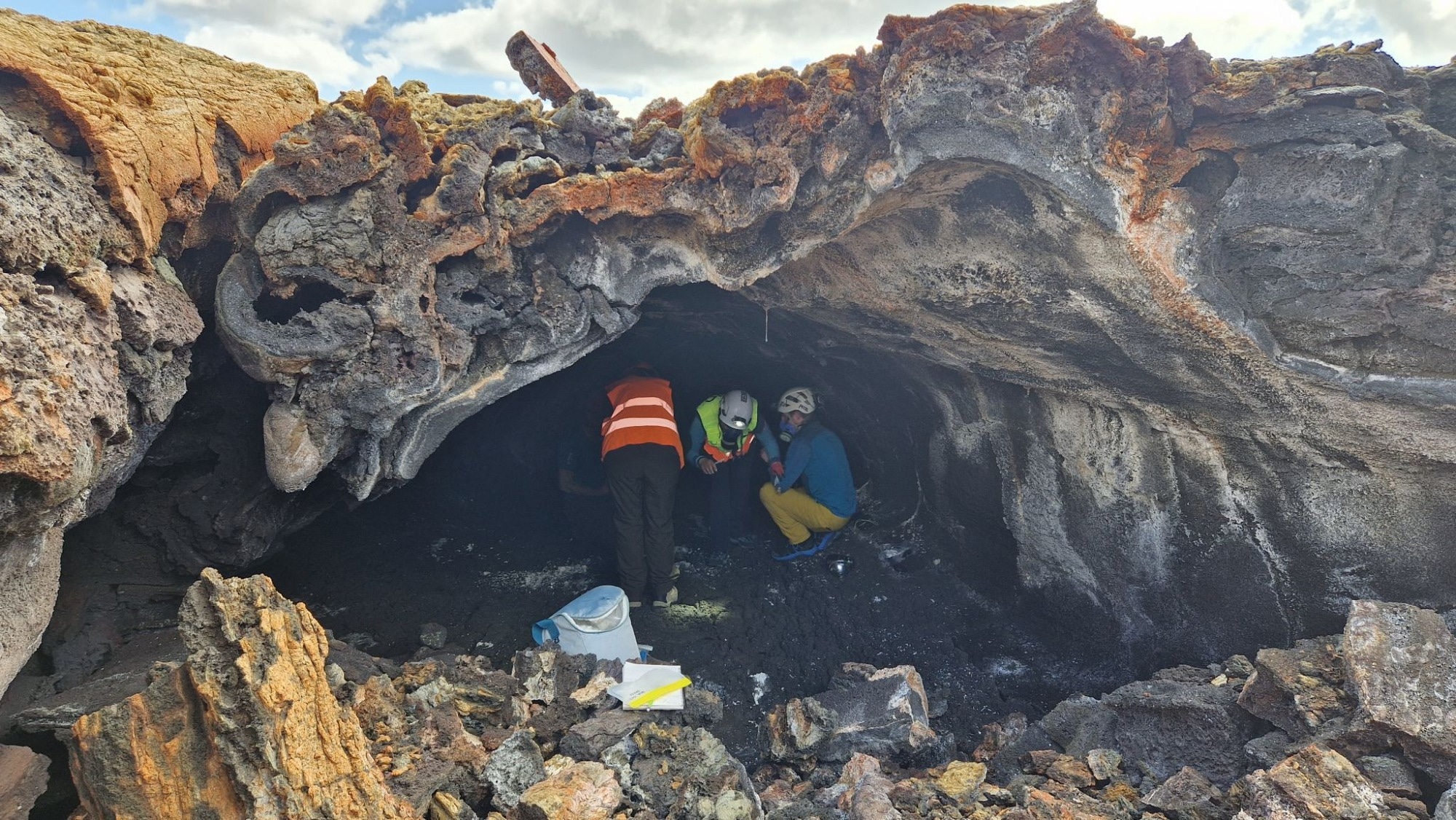
Image Credit: Luxor
Why Use SEM Coating for Microbiological and Mineral Samples?
In a Labcompare article, geologist Francesco Sauro and microbiologist Ana Zélia Miller explain why they brought the Thermo Scientific Phenom XL G2 Desktop SEM to Iceland.
It is important to note that SEMs are not typically portable and require a controlled laboratory environment due to their size, delicate nature, and power requirements. Therefore, they are not used directly within caves.
Instead, cave samples are usually collected and transported to a laboratory for high-resolution imaging and elemental analysis using a SEM. In 2021, we transported the Phenom XL Desktop SEM to the remote Selvagens Islands in the North Atlantic Ocean, where we explored for the first-time cave samples directly in the field.
These findings allowed us to select the best sampling points to collect mineralogical and microbiological samples without the need to transport them to a laboratory setting. In the Fagradalsfjall volcano, from a geomicrobiology point of view, the same instrument was used to examine the potential presence of pioneer microorganisms in the newly formed lava tubes and their possible interactions with the cave minerals.
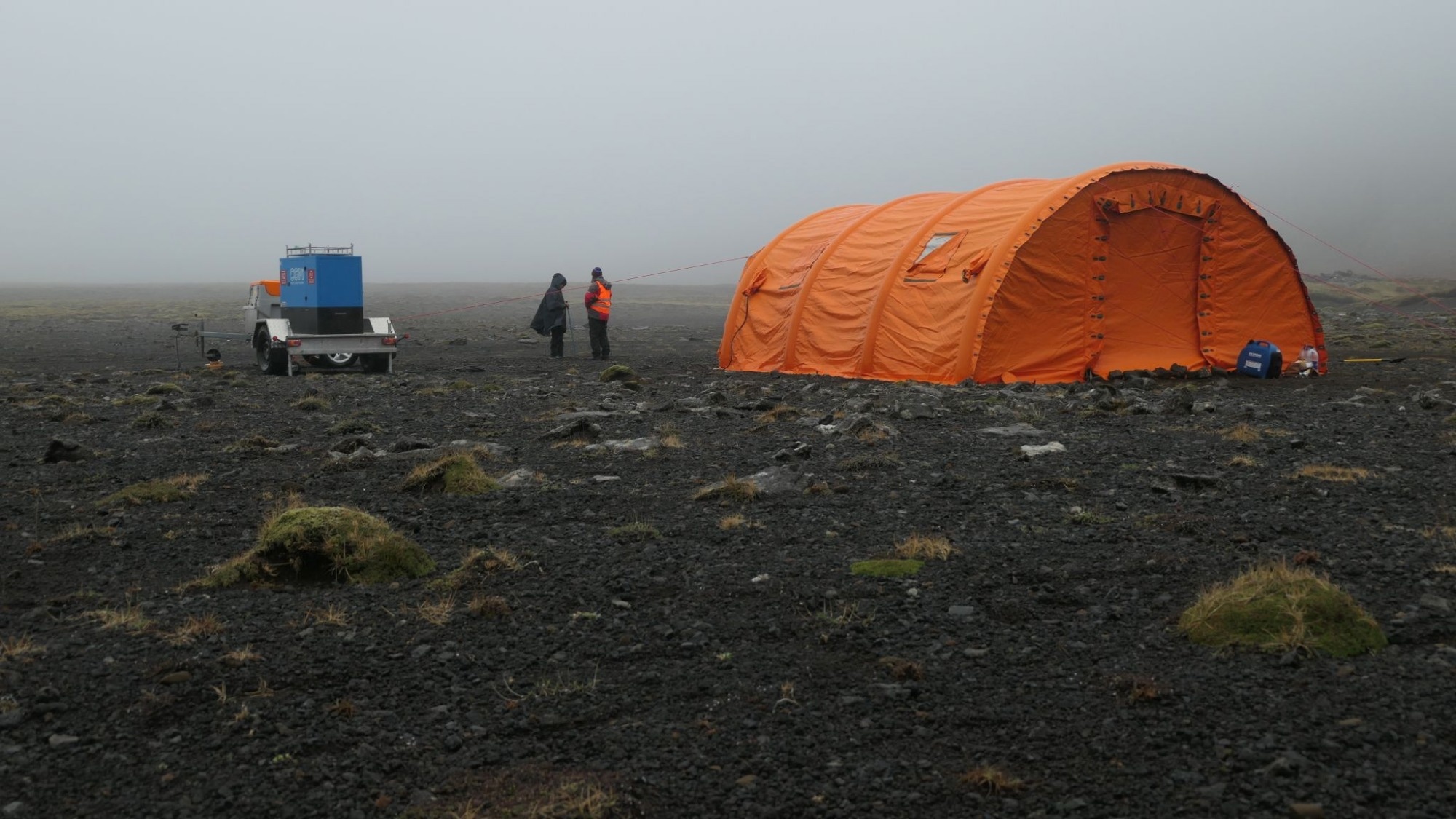
Image Credit: Thermo Scientific
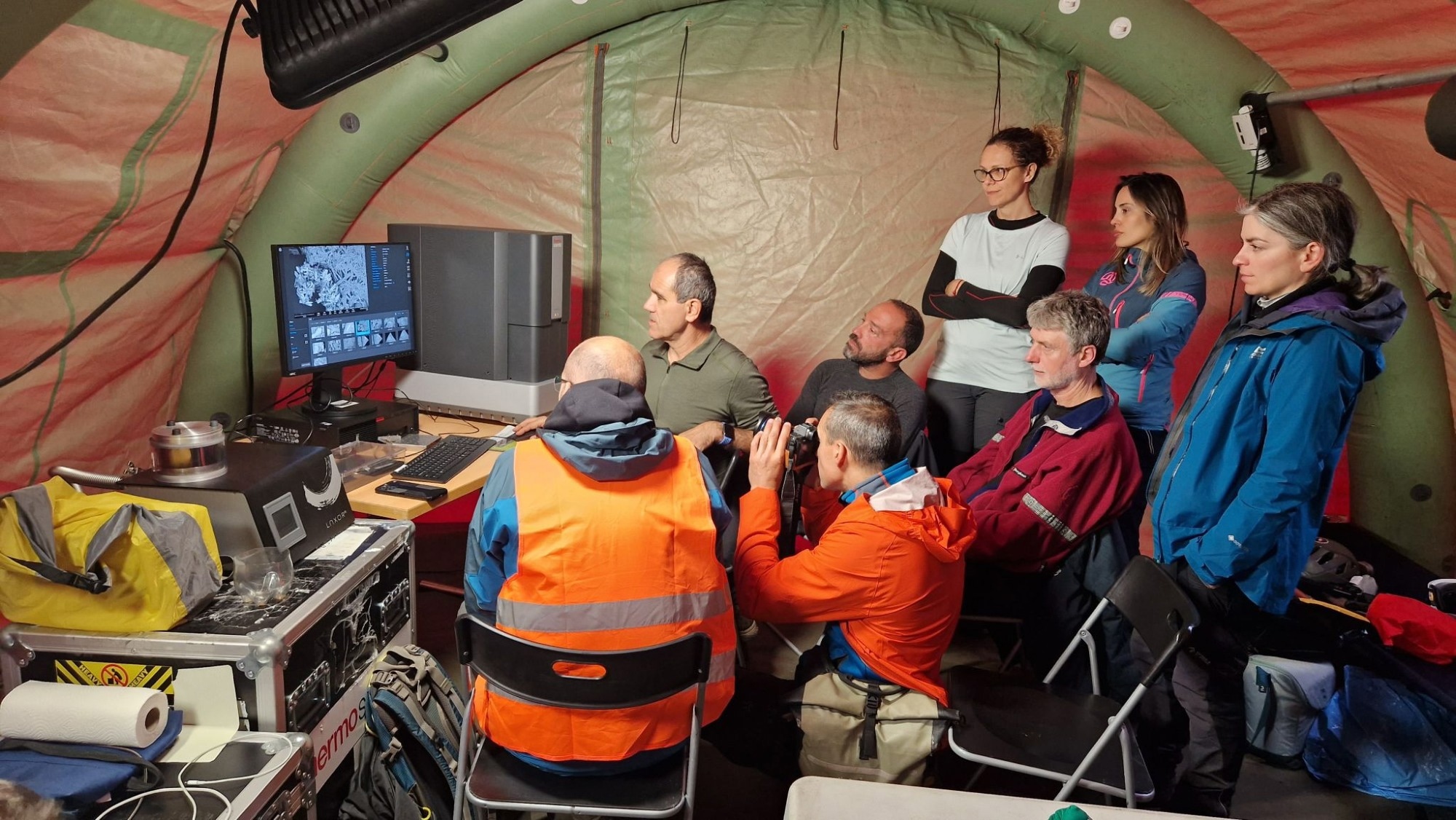
Image Credit: Luxor
For Rogier Miltenburg, applications and product specialist at Thermo Fisher Scientific, the compact LUXORPt SEM coater was the logical solution to complement the equipment as a coating instrument for SEM samples:
From the start it was clear that the mineralogical and microbiological samples we were going to analyze have a strong tendency to charge in an electron microscope. Charging can be avoided by gold or platinum coating, or by applying lower acceleration voltages or reduced vacuum in the phenom XL SEM.
The main reason, however, for using a metal coater was to better identify if there was any biological material among the minerals, while the additional resolution of the coating also allowed us to identify the type of bacteria.
Our choice for the LUXORPt sputter oater was a logical one. We have extensive experience using it in our application lab in Eindhoven, the Netherlands, and its compact size, easy installation and operation were necessary prerequisites for use in the harsh conditions and cramped housing on the plains around the Fagradalsfjall volcano. The upside-down technology protected the SEM column from contamination, and the coatings were of the same high quality we are familiar with from our daily work in the application lab. Basically it is about entering the coating thickness, pushing start, and then take a few minutes to warm ourselves at the small heater in the tent.
Rogier Miltenburg, Applications and Product Specialist, Thermo Fisher Scientific
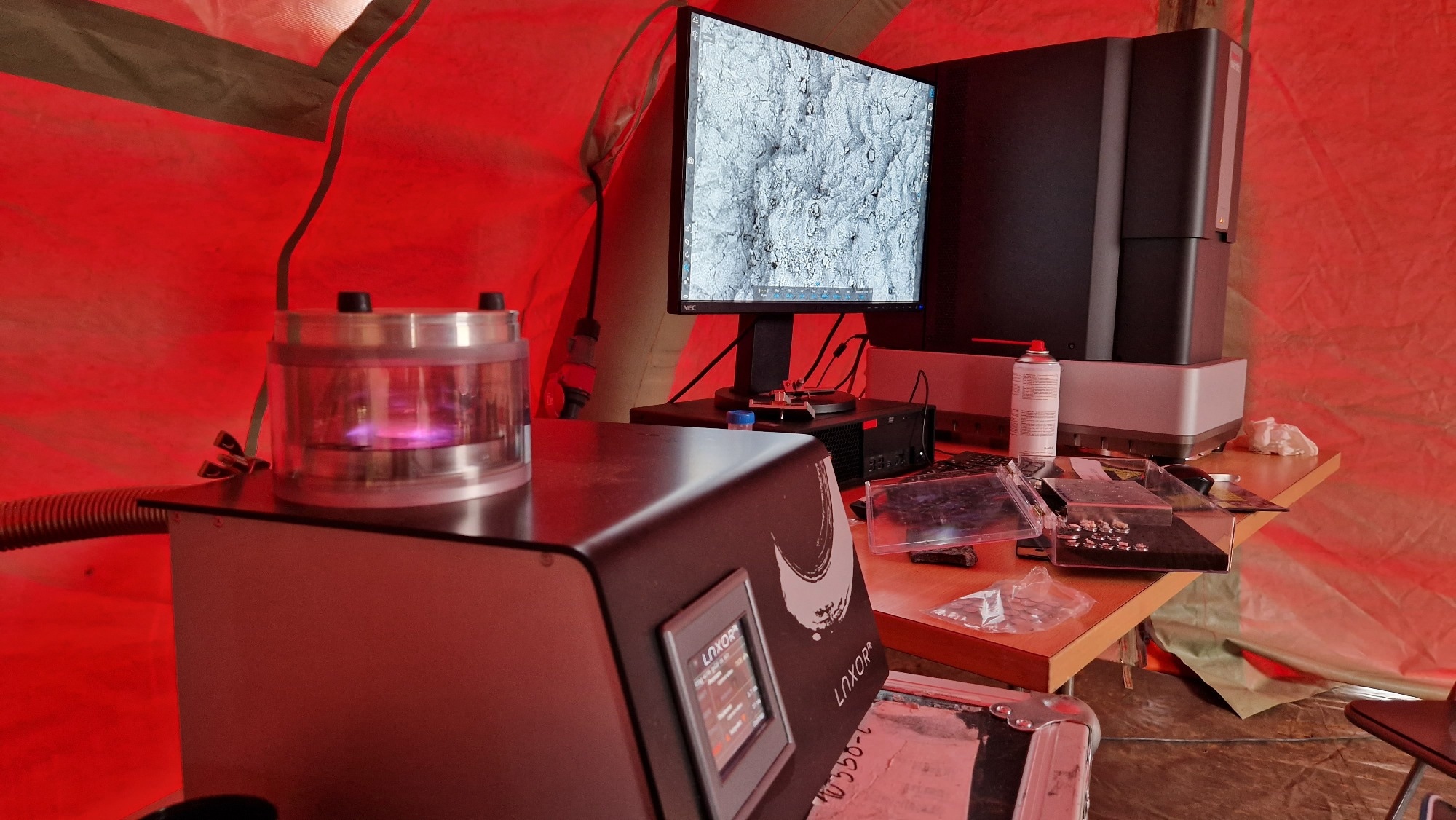
Image Credit: Luxor

This information has been sourced, reviewed and adapted from materials provided by Luxor.
For more information on this source, please see here