The oil and gas industry operates under strict regulatory requirements while also maintaining ongoing inspection and maintenance programs. Many facilities are required by the Environmental Protection Agency (EPA) to implement leak detection and repair (LDAR) programs.
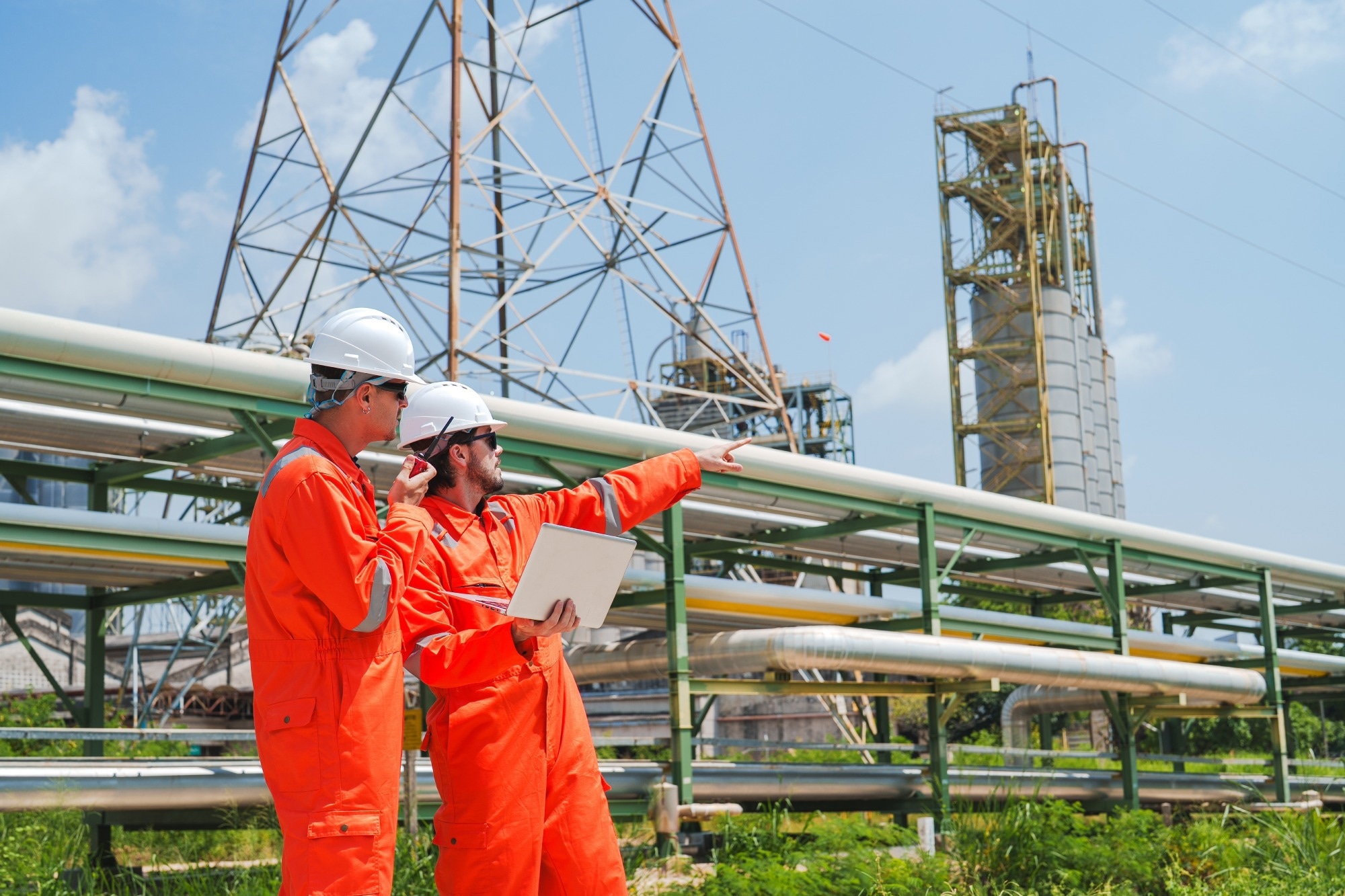
Image Credit: Chokniti-Studio/Shutterstock.com
Toxic vapor analyzers (TVAs) have long been used to detect gas leaks. Today, these instruments can be complemented by optical gas imaging (OGI) cameras, specialized infrared cameras that detect and visually display gas leaks.
Fugitive Emissions
Fugitive emissions are unintended releases of gases or vapors from pressurized industrial equipment. In industries that produce or handle hazardous gases and chemicals, these emissions can pose significant risks to workers, surrounding communities, and the environment.
Unfortunately, toxic vapor leaks can occur at multiple points throughout the journey from the well to the end user. According to the EPA Best Practice Guide, studies have shown that valves and connectors are among the largest sources of leaks in the United States.
Where Leaks Can Be Found
Natural gas travels long distances from production wells to its final destination. This transportation network consists of an extensive system of transmission pipelines that require regular inspection and monitoring to help identify leaks and maintain safe operation.
Offshore drilling platforms handle volatile substances under extreme pressures and in harsh operating environments. These conditions introduce significant risks that can sometimes result in catastrophic incidents. Regular monitoring, including inspections of remote locations, is essential.
Liquefied natural gas (LNG) is natural gas that has been cooled into a liquid state. LNG terminals are highly sensitive facilities that rely on a variety of equipment for liquefaction, regasification, processing, storage, handling, and transportation. Detecting leaks at an early stage helps prevent major incidents while supporting effective maintenance practices.
Oil refineries also benefit from gas-leak-detection cameras, which allow operators to rapidly detect and visualize fugitive emissions. Faster identification enables quicker repairs, helping reduce the risk of significant damage while minimizing the potential for regulatory penalties.
'Better Together' Technology
Toxic vapor analyzers are widely used throughout refineries and chemical processing facilities to detect gas leaks and support compliance with US EPA Method 21 and LDAR program requirements.
For routine inspections, maintenance activities, LDAR programs, and regulatory compliance, oil and gas operators can further enhance leak detection by combining an optical gas imaging (OGI) camera with a Method 21 Flame Ionization Detector.
Together, these complementary technologies provide a powerful solution for detecting and quantifying leaks, making compliance with global environmental regulations more efficient than ever.
Modern OGI cameras can identify and quantify methane as well as more than 400 volatile organic compounds (VOCs).
Thermographic imaging provides additional flexibility through temperature-measurement capabilities and selectable color palettes. Wireless connectivity enables seamless data transfer, remote operation, and real-time streaming and sharing of inspection results.
By combining these complementary technologies, operators gain access to a comprehensive leak detection and quantification solution. This integrated approach helps the oil and gas industry improve operational efficiency, strengthen safety, simplify regulatory compliance, and contribute to a safer environment.
Acknowledgments
Produced using materials originally written by Bob Gallagher, Product Line Manager at Thermo Fisher Scientific.
This information has been sourced, reviewed, and adapted from materials provided by Thermo Fisher Scientific – Environmental and Process Monitoring Instruments.
For more information on this source, please visit Thermo Fisher Scientific – Environmental and Process Monitoring Instruments.