California continues to advance its climate policy by updating its Landfill Methane Regulation (LMR), which aims to reduce emissions from municipal solid waste landfills statewide. These updated standards tighten criteria for monitoring methane emissions, detecting leaks, reporting, and managing gas collection and control systems.
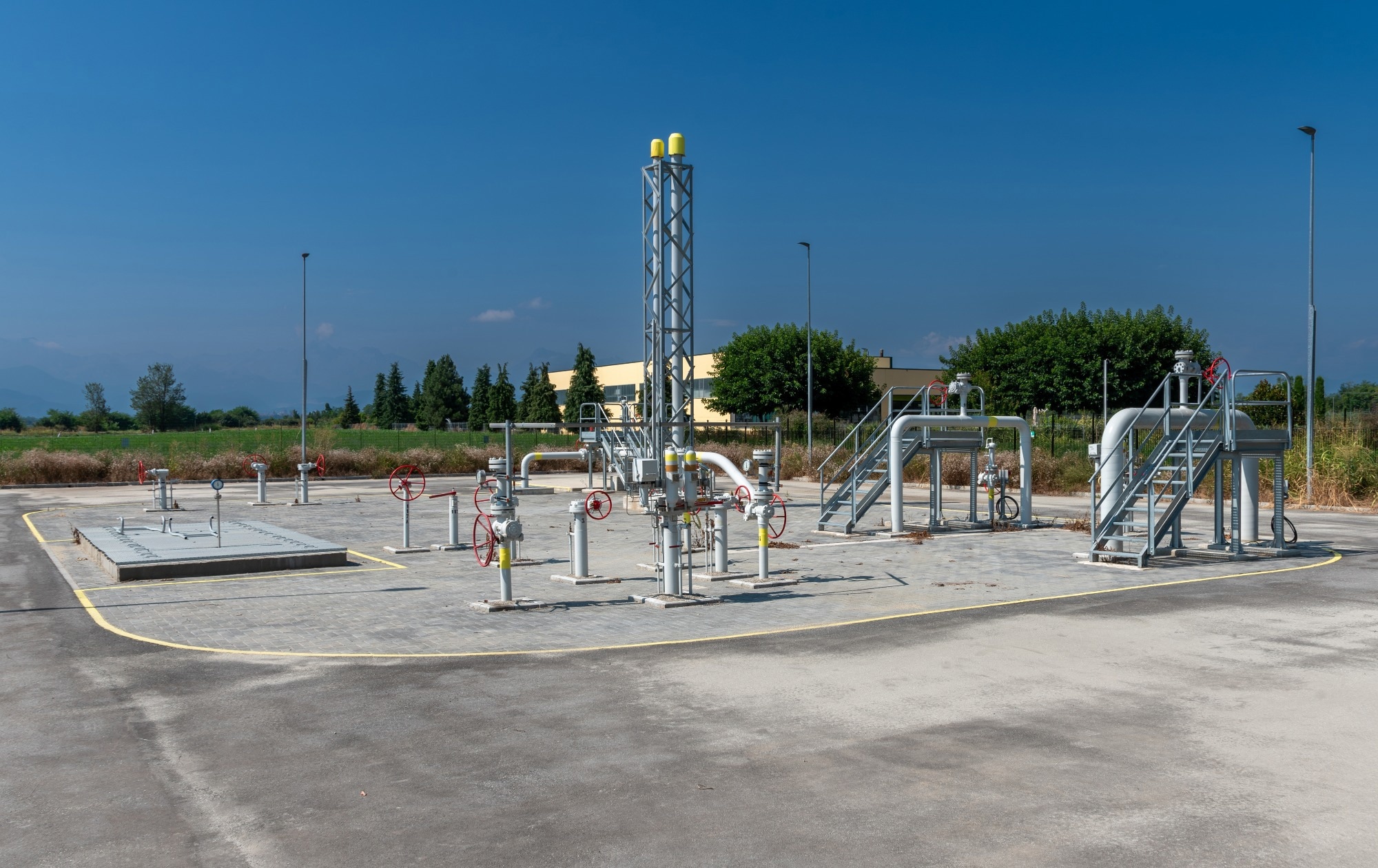
Image Credit: Framarzo/Shutterstock.com
Updated regulations from the California Air Resources Board (CARB) enforce tighter methane thresholds, expanded monitoring criteria, and more stringent reporting.
The regulation remains under review; upon approval, municipal landfills across the state must be prepared. This article examines the regulation updates and the technologies supporting compliance.
Why California Is Updating its Landfill Methane Regulations
Landfills are California’s second-largest source of methane, making them a crucial priority for emissions reduction. As a potent greenhouse gas, methane contributes substantially to near-term climate warming and requires monitoring across numerous industries in addition to landfills.
The updated regulations in California align with broader state climate objectives, including the following:
- Decreasing methane emissions 40% below 2013 levels by 2030
- Supporting long-term carbon neutrality targets
- Enhancing air quality and decreasing co-pollutants
These updates also reflect advancements in methane detection technologies and data from satellite-based monitoring systems.
What are California’s New Landfill Methane Regulations?
The revised landfill methane standards prioritize reduced methane emission limits, improved monitoring and leak detection protocols, and more comprehensive reporting and compliance documentation.
These standards establish criteria for gas collection systems, surface emission specifications, and continuous monitoring practices to reduce methane emissions at landfills statewide.
Key Methane Emission Standards
A significant component of the updated regulation is the tightening of permissible methane concentrations:
- Instantaneous surface emissions: Must not surpass 500 ppmv (parts per million by volume)
- Average surface methane concentration: Must remain under 25 ppmv
These tighter thresholds require landfill operators to implement more precise and regular monitoring practices.
Expanded Monitoring Requirements
The updated regulations focus on proactive, continuous monitoring across landfill facilities.
- Surface emissions monitoring
- Operators must carry out quarterly surface emissions monitoring utilizing defined grid-based techniques. Exceedances require quick corrective action and follow-up verification.
- Component leak detection
- All gas system components must undergo routine inspection. Any leak exceeding regulatory limits must be repaired within 10 days to avoid a violation.
- The updated regulation improves leak detection and repair guidelines:
- Component leaks must be identified using precise instruments and repaired within stringent timelines
- Monitoring must consistently capture both small and large leaks
- Complying with these more rigorous requirements will necessitate the use of contemporary portable gas analyzers and leak detection and repair (LDAR) instruments that can deliver comprehensive monitoring.
- Wellhead monitoring
- Monthly monitoring of wellhead pressure, temperature, and gas composition ensures good performance of the gas collection system.
- Remote methane detection
- A major update is the formal recognition of remote methane plume detection technologies, including satellite-based monitoring.
- The regulation allows regulators to detect methane plumes with remote monitoring data and notify landfill operators.
- The state has significantly invested in satellite methane monitoring, enabling identification of large emission sources across broad geographic regions.
Why This Matters
Conventional monitoring requires technicians to walk on landfill surfaces. Conversely, remote sensing provides a top-down detection layer, identifying major leaks more quickly and across regions that might otherwise be overlooked.
Since California regulators may use remote sensing technologies to detect methane plumes, operators must respond rapidly with targeted inspections and corrective measures.
Gas Collection and Control System Requirements
Under the new regulations, California landfills that surpass regulatory limits must install and operate gas collection and control systems that satisfy these requirements:
- Operate continuously with minimal downtime
- Achieve at least 99% methane destruction efficiency
- Prevent component leaks surpassing 500 ppmv
Comprehensive engineering design plans and continuous system performance monitoring are mandatory for compliance.
The regulation introduces a pathway for alternative surface emissions monitoring techniques, including novel technologies. This creates the versatility to implement next-generation monitoring instruments, promoting innovation while sustaining regulatory rigor.
Novel monitoring strategies can be approved if they demonstrate equivalent or improved methane detection performance when compared to standard techniques. These may include mobile sensors, drones, or advanced spectroscopy systems.
Optical gas imaging (OGI) cameras provide both remote and portable monitoring, covering larger landfill areas from a distance to identify methane leaks and locate their origin. OGI’s capacity for real-time gas plume visualization allows operators to identify leaks more accurately and prioritize repairs.
Reporting and Compliance Documentation
The updated regulations substantially expand reporting obligations to help support enforcement and ensure transparency. Landfill operators must maintain the following:
- Detailed monitoring records (surface, component, and wellhead data)
- Annual gas collection and control system reports
- Quarterly monitoring data submissions
- Documentation of corrective actions and system performance
The expanded regulatory guidelines pose key challenges for operators in managing monitoring frequency, handling vast amounts of data, and enforcing quicker response times for handling leaks. As a result, operators are turning to sophisticated monitoring technologies to help streamline compliance workflows.
Enhanced Monitoring Solutions
Sophisticated gas detection instruments are crucial for satisfying California’s increasingly stringent landfill methane requirements. For landfill operations, advanced monitoring solutions provide several advantages:
- Enhanced adherence to state-specific methane thresholds
- Decreased emissions and environmental impact
- Streamlined reporting and data management
- Quicker leak detection and repair
Conclusion
It is hoped that California’s revised landfill methane guidelines will improve methane emissions monitoring, leak detection, control, and reporting criteria for municipal solid waste landfills.
With tighter methane limits, expanded wellhead and surface monitoring, improved leak detection and repair standards, and increased use of remote methane detection technologies, landfill operators will require a more proactive compliance strategy.
Cutting-edge methane monitoring technologies, such as portable gas analyzers, LDAR instruments, optical gas imaging (OGI), and remote detection tools, can help operators identify methane leaks quicker, enhance monitoring precision, facilitate corrective action, and simplify compliance documentation.
Developing monitoring programs and workflows for California’s evolving landfill methane standards enables operators to reduce emissions, enhance environmental performance, and remain ready for new regulatory requirements.
References and Further Reading
- Video: Overview of the EU Methane Regulations for the Energy Sector
- Application Note: EU methane regulation performance envelope for EyeCGas Multi OGI Camera
Acknowledgments
Produced from materials originally authored by Bob Gallagher.

This information has been sourced, reviewed, and adapted from materials provided by Thermo Fisher Scientific – Environmental and Process Monitoring Instruments.
For more information on this source, please visit Thermo Fisher Scientific – Environmental and Process Monitoring Instruments.