This article outlines procedures for creep testing that can yield negative creep data during testing and recording. The argument does not follow the metallurgical basis for negative creep, but that extensometers can generate negative creep data. This is typically due to insufficient soak times, which prevent the extensometer from reaching equilibrium before the specimen is loaded and testing begins.
Extensometer Design
Creep extensometer designs can vary greatly. Yet, they share one common feature: the rods, tubes, and flats that pull the gauging platform out of the furnace are at different distances from the furnace wall. This results in a temperature differential in the elements, which can influence the actual displacement reading.
Figure 1 shows three extensometer types, all derived from the Rod and Tube architecture. The tube acts as the outer element, meaning it is exposed to the furnace’s highest temperatures, where the rod is protected for the majority of its length. The temperature differential has no impact on the device's functionality unless the test is conducted before the rod and tubes have fully equalized with the furnace’s temperature.
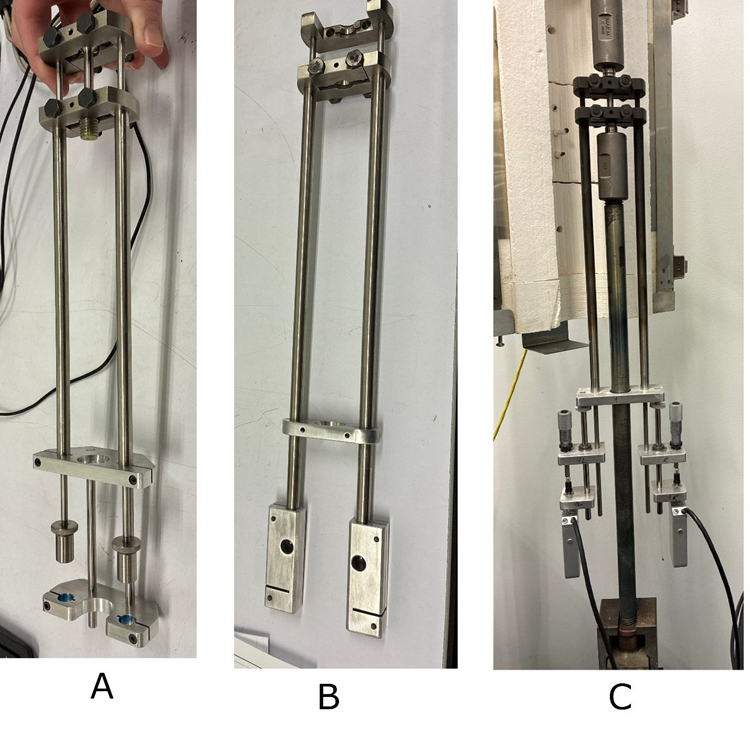
Figure 1. Image Credit: Applied Test Systems
Discussion
It should be assumed that, across all three extensometers shown, there is no creep present in the specimen. If the Rod continues to heat relative to the Tube, the extensometer will record a negative displacement. Similarly, negative displacement may be observed during cooling between the Tube and the Rod.
Each scenario occurs as the furnace hits the target test temperature. It should be noted that it takes some time for the furnace wall temperature to equalize to a level that maintains the target test temperature throughout the specimens. First conducted almost 25 years ago at a major aerospace company's laboratory, this test was developed to address concerns about negative creep during Waspaloy® sample testing.
Numerous tests were conducted with different soak times ranging from 30 minutes to 3 hours. It was observed that the extensometry did not reach equilibrium until 1.5 to 1.75 hours.
These tests conclude that any low or negative creep rate testing should prolong the standard one-hour soak time to a minimum of two hours. This helps ensure that the creep data being recorded is indeed related to the specimen and not to the extensometry process.

This information has been sourced, reviewed, and adapted from materials provided by Applied Test Systems.
For more information on this source, please visit Applied Test Systems.