In this interview, AZoMaterials speaks with Kyle Schneider, Sales Specialist at Premier Analytical Solutions, about how handheld XRF analyzers are transforming scrap recycling operations. He shares insights into the challenges recyclers face, the importance of accurate alloy identification, and how portable XRF technology delivers measurable return on investment in demanding scrapyard environments.
Can you please introduce yourself and your role at Premier Analytical Solutions?
My name is Kyle Schneider, and I'm with Premier Analytical Solutions, an authorized representative for Thermo Fisher Scientific’s Niton™ handheld XRF analyzers.
I spend most of my time working with scrap recyclers and metal processors, helping them find the right analytical solutions for their operations. A big part of my role is understanding the real-world challenges in scrap recycling and making sure customers have the right tools to operate efficiently and profitably.
What are the biggest challenges scrap recyclers face when sorting and identifying scrap metal?
The two biggest challenges are speed and accuracy. Scrap yards are fast-paced and often rough environments. Trucks are coming in and out, heavy equipment is moving material around, and constant pressure to keep things flowing.
At the same time, there are many different alloys and metals coming through the yard. Depending on the region and the type of operation, you could see a wide variety of materials. Recyclers need to identify those materials as quickly and accurately as possible. If they misidentify something, it directly impacts profitability.
How do handheld XRF analyzers fit into daily scrap recycling operations?
Handheld XRF analyzers are almost tailor-made for scrap recycling. They are portable, fast, and accurate. Instead of sending material to a lab or relying solely on visual inspection or spark testing, operators can get immediate elemental analysis right in the yard.
In many scrapyards, trucks are waiting on scales, material is being offloaded, and decisions have to be made quickly. Having a handheld XRF allows operators to verify incoming or outgoing material on the spot. It keeps operations moving and reduces guesswork.
Click here to watch Analyze That episode 7 - Recycling Revolution: Handheld XRF Analyzers in Scrap Recycling
Which metals and alloys are most commonly analyzed in scrap recycling?
Nickel has traditionally been king because of its value. Nickel-based alloys, stainless steels, and high-temperature alloys containing chromium and cobalt are very common.
Copper is also extremely important, especially red metals like brass and bronze. More recently, aluminum has become a major focus. The 6000 and 7000 series aluminum alloys are increasingly important due to aerospace and automotive demand. Mills are now requesting more precise sorting, and they’re often willing to pay a premium when recyclers can separate those alloys correctly.
Why is aluminum sorting becoming more important, and how does XRF handle it?
Aluminum alloys can look very similar to each other, but their compositions differ in elements like magnesium and silicon. Those small differences matter a lot in terms of value.
With advancements in detector technology, especially silicon drift detectors, handheld XRF analyzers are much more capable of accurately measuring lighter elements. Features like light metal quick sort allow operators to access those critical elements faster, sometimes in just a few seconds. That improves throughput while maintaining accuracy.
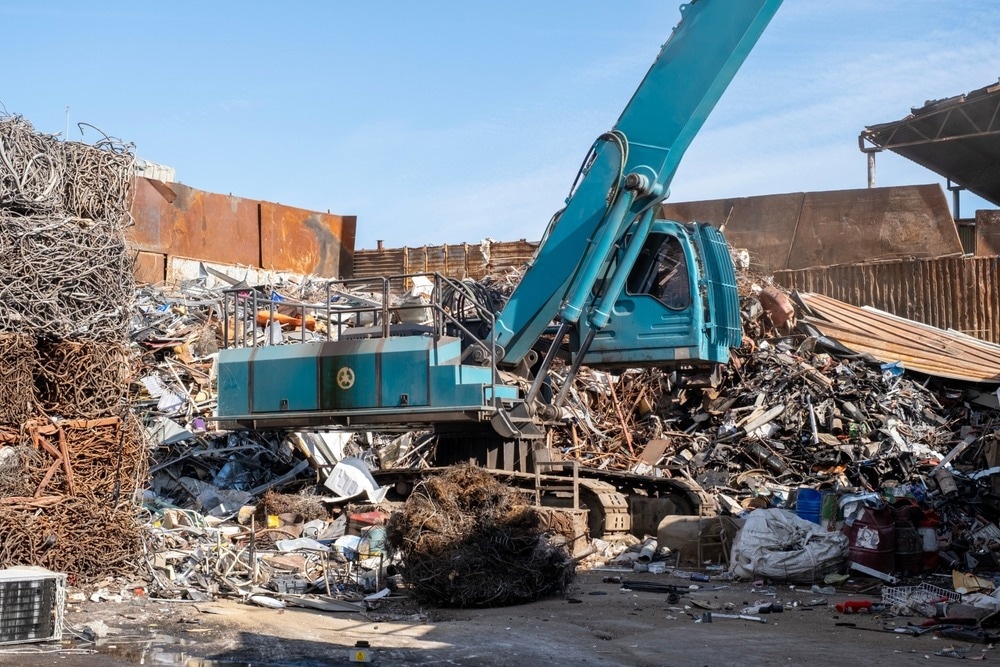
Image Credit: Onder Ortel/Shutterstock.com
How does handheld XRF improve return on investment in scrap recycling?
The return on investment often comes down to proper identification. Materials that look identical to the eye can have very different compositions and values.
In one case, a recycler purchased what was believed to be 316 stainless steel. After scanning with handheld XRF, they discovered it was actually Nickel 200, which contains over 99 percent nickel. That single load significantly increased their profit and effectively paid for the analyzer.
On the other hand, incorrect identification can result in downgrades. In another example, copper purchased as high-purity Copper No. 1 was later downgraded due to trace elements that were not properly detected. Having the right analyzer in hand helps prevent costly mistakes and protects margins.
Click here to watch Analyze That episode 7 - Recycling Revolution: Handheld XRF Analyzers in Scrap Recycling
What role does sample preparation play in ensuring accurate results?
Handheld XRF is a surface measurement technique, so surface condition matters. In scrap environments, materials often have dirt, oxidation, paint, or coatings on them.
For iron- and nickel-based alloys, wiping off surface contamination may be sufficient. But for aluminum and copper alloys, proper sample preparation is critical. Dirt contains silicon, and since silicon is a key differentiator in many aluminum alloys, grinding the surface to remove contamination ensures accurate readings.
Understanding when and how to properly prepare samples makes a big difference in reliable alloy identification.
How important is choosing the right analyzer for scrap recycling?
It is extremely important. It is not about buying the most expensive analyzer or the cheapest one. It is about selecting the analyzer that matches your specific application and the elements you need to detect.
I always recommend bringing in an expert to discuss your operation, your material mix, and your goals. There are new and pre-owned options available, and the key is making sure you have the right tool for your business.
When recyclers use the right handheld XRF analyzer, they gain confidence in their results, reduce risk, and maximize profitability.
Analyze That episode 7 - Recycling Revolution: Handheld XRF Analyzers in Scrap Recycling
Recycling Revolution: Handheld XRF Analyzers in Scrap Recycling
About Kyle Schneider
Kyle Schneider is a Sales Specialist at Premier Analytical Solutions based in Texas. He specializes in handheld XRF technology, helping customers in the scrap recycling market, and positive material identification (PMI) industries to quickly and accurately analyze metal composition. Kyle works closely with clients to identify the right analytical solutions for their operation, combining technical expertise with practical industry knowledge.

This information has been sourced, reviewed and adapted from materials provided by Thermo Fisher Scientific.
For more information on this source, please visit Thermo Fisher Scientific – Analytical Instruments & Solutions
Disclaimer: The views expressed here are those of the interviewee and do not necessarily represent the views of AZoM.com Limited (T/A) AZoNetwork, the owner and operator of this website. This disclaimer forms part of the Terms and Conditions of use of this website.