The world is built from cement, steel, aluminum, and plastics – and those same materials are a major engine of global emissions.
Decarbonizing materials production is now one of the hardest (and highest-impact) climate problems, because it requires changes to heat, chemistry, and supply chains, not just cleaner electricity.
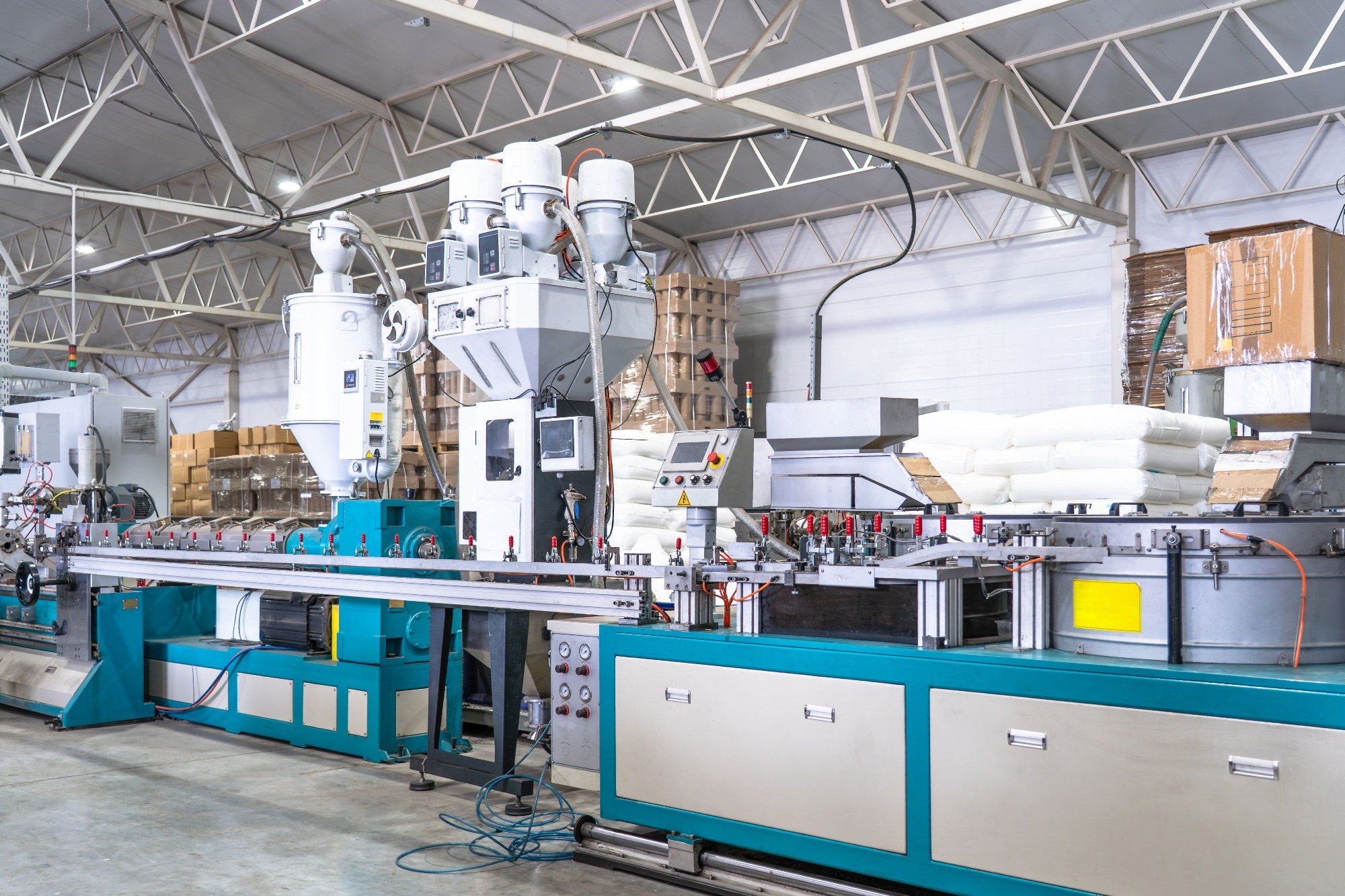 Image Credit: DedMityay/Shutterstock.com
Growing recognition of anthropogenic climate change has intensified focus on industrial decarbonization, particularly within materials production sectors that support modern infrastructure and manufacturing.
Cement, steel, aluminum, and polymers are key to construction, transportation, and energy systems, yet their production generates substantial greenhouse gas emissions through energy-intensive processes and chemical transformations.
As global climate targets demand rapid emissions reductions, materials manufacturing has emerged as a systemic challenge requiring fundamental changes to production technologies, feedstock sources, and circular material flows.
Get all the details: Grab your PDF here!
Emissions Profiles of Key Industrial Materials
Materials, regardless of their composition, require substantial energy to produce. This energy demand drives significant greenhouse gas emissions, which vary widely depending on the material type and production process.
Metals
Some materials are far more carbon-intensive than others; for instance, aluminum, which accounts for only 0.22 % of global material mass, is responsible for roughly 11 % of material-related emissions.
In 2024, total cradle-to-gate emissions from aluminum production reached approximately 1,126 Mt CO2, reflecting the combined impact of electricity use, thermal energy, process emissions, and ancillary inputs.1
Steel production is another major source of material-related greenhouse gas emissions, contributing approximately 2.6 Gt CO2 annually (about 7 % of total global energy system emissions). Its high carbon intensity stems primarily from its reliance on coal, which accounts for approximately 75 % of the sector’s energy demand.
Without targeted interventions, annual emissions are projected to rise to around 2.7 Gt CO2 by 2050, a 7 % increase over current levels.2
Cement and Plastic
In the building sector, cement production accounts for approximately 7-8 % of anthropogenic CO2 emissions. This results primarily from the production of Portland cement clinker, which requires high-temperature calcination of limestone in kilns, releasing CO2 through the chemical decomposition of calcium carbonate, as well as from the combustion of fossil fuels to generate the necessary heat.3
Polymers and plastics, despite their lower mass, produce substantial greenhouse gas emissions, with virgin resin production accounting for over half of their lifecycle impact.
However, emission intensity varies significantly by polymer type, ranging from approximately 1.6 kg CO2 per kilogram for low-density polyethylene to about 6.6 kg CO2 per kilogram for polyamide-66.4
These statistics underscore the urgent need to make materials production more sustainable, targeting both energy efficiency and low-carbon production pathways across sectors with the highest emissions intensity.
The Material Mix Podcast - Mind the Carbon Gap - Episode 1
Video Credit: Holcim UK/YouTube.com
Pathways to Emissions Reduction
Materials manufacturing offers multiple pathways for reducing greenhouse gas emissions. These pathways include improving process efficiency, electrifying industrial heat, switching to low-carbon fuels such as hydrogen, developing alternative material chemistries, increasing the use of recycled feedstocks, and designing circular material flows.
Some strategies focus on incremental improvements that reduce emissions within existing production frameworks, while others aim at transformative production models that embed carbon capture, circularity, and energy decarbonization into the material lifecycle.
Low-Carbon Cement and Concrete
Decarbonization of cement production is being pursued through both industrial-scale initiatives and innovative material development.
Brevik CCS in Norway was inaugurated in 2025 by Crown Prince Haakon as the world’s first large-scale carbon capture and storage facility in the cement industry. The facility captures approximately 400,000 tons of CO2 annually as part of Norway’s Longship initiative.
The captured CO2 is liquefied, transported to a terminal, and stored permanently beneath the North Sea, enabling Heidelberg Materials to produce evoZero, the first CCS-based cement for net-zero concrete.5
In the United States, researchers at Northwestern University have developed a carbon-negative building material that converts CO2 into solid minerals suitable for cement, concrete, plaster, and paint production.
Using seawater, electricity, and CO2, the process generates calcium carbonate and magnesium hydroxide, which sequester CO2 while producing materials with tunable properties. This approach can store over half a ton of CO2 per ton of material without compromising structural performance, while also producing hydrogen gas as a by-product.6
Green Steel Production
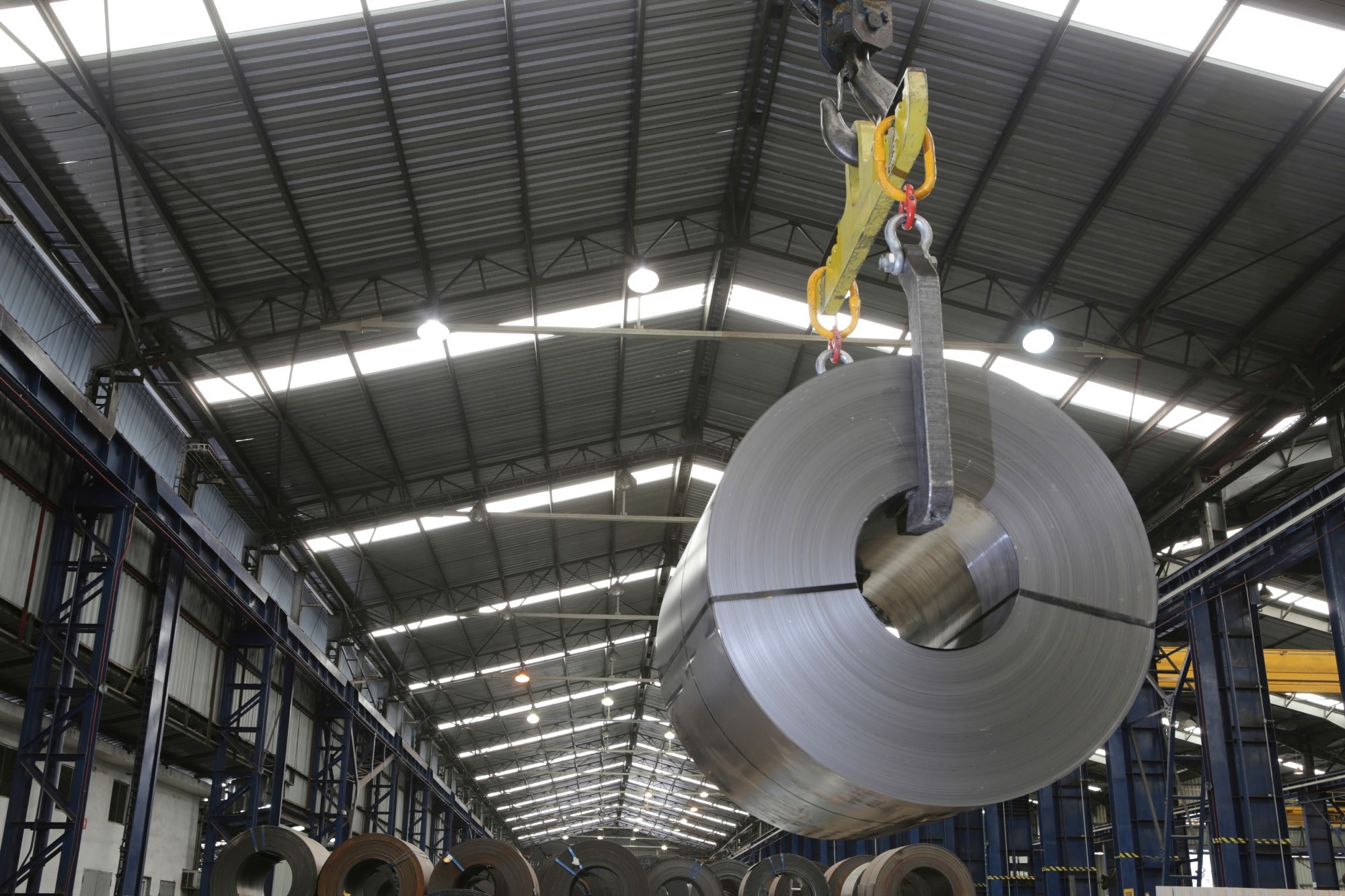 Image Credit: casa.da.photo/Shutterstock.com
Traditional steelmaking using the blast furnace-basic oxygen furnace route relies on coal and coke to reduce iron ore, accounting for 7-9 % of global CO2 emissions.
Stegra in Sweden is transforming steel production through hydrogen-based direct reduction and fossil-free technologies. The plant uses a 690 MW electrolyzer powered by renewable electricity to generate green hydrogen, replacing coal in iron ore reduction and producing sponge iron with a 95 % lower carbon footprint than conventional methods.
The plant targets an annual output of 5 million tons, becoming Europe’s first large-scale hydrogen-based DRI steel facility by 2030 and avoiding approximately 7 million tons of CO2 emissions annually.7
Low-Emissions Aluminum Production
Reducing emissions from aluminum production depends on implementing advanced technological solutions.
In smelting, inert anodes eliminate direct CO2 emissions from electrolysis, with RUSAL’s Krasnoyarsk plant achieving industrial-scale production in April 2021 and Elysis (Alcoa-Rio Tinto) reaching the same milestone in November 2021.
In alumina refining, electrification and alternative heat strategies are being explored, including the 60 MW electric boiler at Alunorte in Brazil, Alcoa’s pilot of electric calcination and mechanical vapor recompression in Australia, and Rio Tinto’s feasibility study of hydrogen-based high-temperature processing at the Yarwun refinery.
These initiatives demonstrate the potential for decarbonizing both smelting and refining in the aluminum value chain.8
Low-Emissions Polymers and Resins
Resin production is a high-emission process, accounting for the majority of greenhouse gases in the plastics sector.
A study in ACS Sustainable Chemistry & Engineering reports that of 100.6 million metric tons of CO2-equivalent emissions in U.S. plastics, 58 % originated from virgin resin production.9
KW Plastics in Alabama addresses these emissions by producing low-carbon polymers from large-scale recycling. As the world’s largest recycler of HDPE and PP resins, the company converts post-consumer plastics into high-quality recycled materials suitable for use at up to 100 % concentration.
Its proprietary eight-stage processing system transforms short-life packaging into durable products with lifespans of 10-12 years while maintaining performance comparable to virgin resins.10
This approach could bypass the energy-intensive extraction, transport, and refinement of fossil feedstocks, achieving energy savings of 30-70 % and reducing greenhouse gas emissions for recycled PET, HDPE, and PP by 67-71 %, while also lowering fossil fuel demand by roughly 40 %.11
Saving this article for later? Grab a PDF here.
Next Steps for Low-Carbon Materials
Materials production is a major source of global emissions, with steel, cement, aluminum, and polymers contributing substantially.
Ongoing deployment of low-emissions technologies, including electrification, carbon capture, inert anodes, and large-scale recycling, is critical to reducing the sector’s climate impact.
However, scaling these technologies globally requires coordinated industrial investment, supportive policy frameworks, and infrastructure development to meet climate targets and achieve meaningful reductions in industrial greenhouse gas emissions.
References and Further Reading
- International Aluminum Institute. (2024). Aluminum Sector Greenhouse Gas Emissions. https://international-aluminium.org/statistics/greenhouse-gas-emissions-aluminium-sector/
- IEA. (2020). Iron and Steel Technology Roadmap – Analysis - IEA. IEA. https://www.iea.org/reports/iron-and-steel-technology-roadmap
- Shah, I. H., Miller, S. A., Jiang, D., & Myers, R. J. (2022). Cement substitution with secondary materials can reduce annual global CO2 emissions by up to 1.3 gigatons. Nature Communications, 13(1), 5758. https://doi.org/10.1038/s41467-022-33289-7
- Kane, S., Olsson, J. A., & Miller, S. A. (2025). Greenhouse gas emissions of global construction material production. Environmental Research: Infrastructure and Sustainability, 5(1), 015020. https://doi.org/10.1088/2634-4505/adbd6e
- Sjöberg, E. (2025). Heidelberg Materials inaugurates the world's first industrial-scale carbon capture facility. https://www.heidelbergmaterials-northerneurope.com/en/heidelberg-materials-inaugurates-the-worlds-first-industrial-scale-carbon-capture-facility
- Morris, A. (2025). New Carbon-Negative Material Could Make Concrete and Cement More Sustainable. https://www.mccormick.northwestern.edu/news/articles/2025/03/new-carbon-negative-material-could-make-concrete-and-cement-more-sustainable/
- European Commission. (2025). STEGRA: welcoming a new era of green steel production. https://cinea.ec.europa.eu/featured-projects/stegra-welcoming-new-era-green-steel-production_en
- Simon, R., & Vass, T. (2023). Aluminum. https://www.iea.org/energy-system/industry/aluminium
- Chaudhari, U. S. et al. (2022). Material Flow Analysis and Life Cycle Assessment of Polyethylene Terephthalate and Polyolefin Plastics Supply Chains in the United States. ACS Sustainable Chemistry & Engineering, 10(39), 13145–13155. https://doi.org/10.1021/acssuschemeng.2c04004
- KW Plastics. (2026). The World’s Largest Plastics Recycler. https://www.kwplastics.com/
- Hopewell, J., Dvorak, R., & Kosior, E. (2009). Plastics recycling: Challenges and opportunities. Philosophical Transactions of the Royal Society B: Biological Sciences, 364(1526), 2115. https://doi.org/10.1098/rstb.2008.0311
Disclaimer: The views expressed here are those of the author expressed in their private capacity and do not necessarily represent the views of AZoM.com Limited T/A AZoNetwork the owner and operator of this website. This disclaimer forms part of the Terms and conditions of use of this website.